MAIN ARTICLE
When an overseas war enters the voting booth
On November 4, JD Vance turned to X to explain a sweeping Republican defeat in the midterms. He said that many voters who supported the Trump–Vance ticket in 2024 had switched allegiance to Democrats. As reported by Reuters and The Washington Post, he rejected the comforting idea that the problem was simply turnout: in his telling, dissatisfaction with the Iran war was at the center of the shift.
That interpretation does not mean every protest vote had a single cause. ABC News reported that 34% of House voters regarded the Iran war as crucial to their vote, compared with 49% who said the same about the cost of living and 55% who identified government corruption. These measures capture overlapping concerns rather than prove that one issue alone produced the election result.
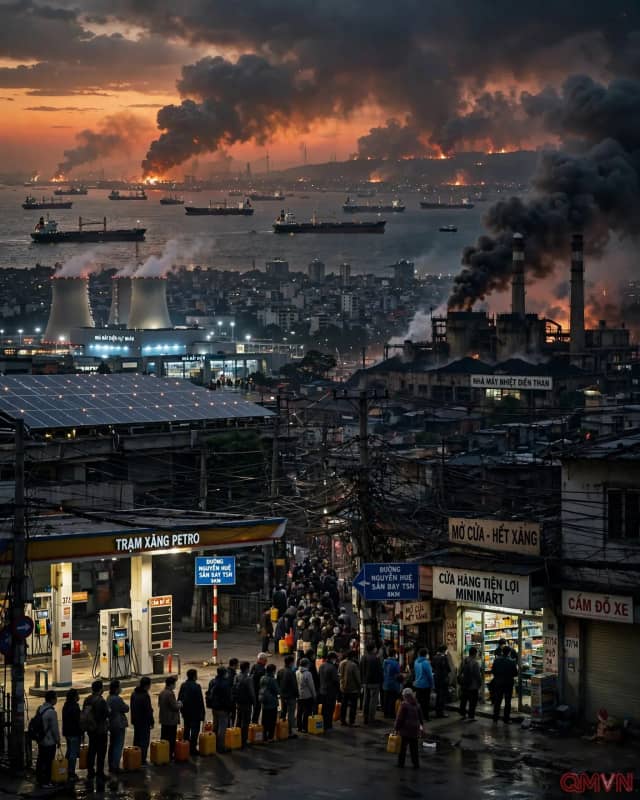
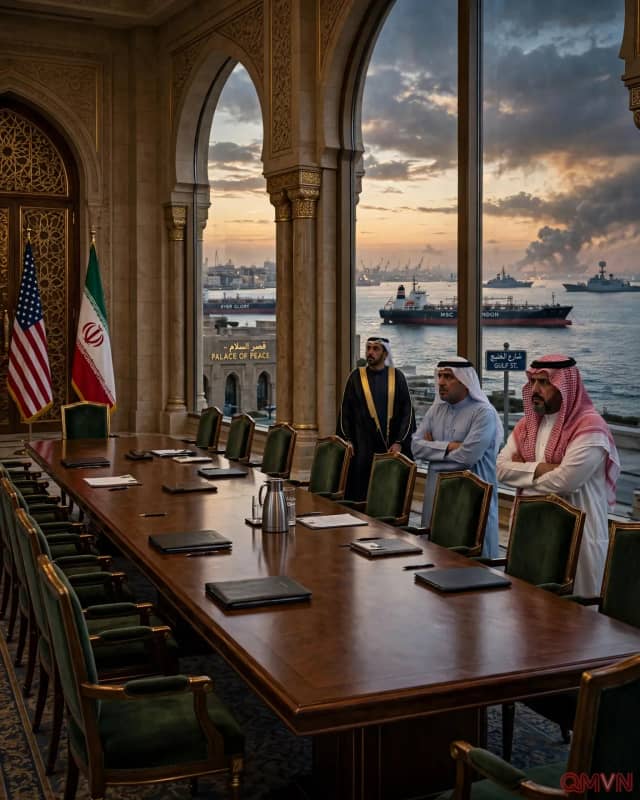
Vance also cited anger over inflation and Washington's relationship with Israel. A military campaign debated in secure meeting rooms had become part of the price of fuel, household finances and voters' judgment of political priorities. Where the end point of a conflict is unclear, earlier assurances that it would be short can prove especially costly.