MAIN CONTENT
One shipping corridor, consequences everywhere
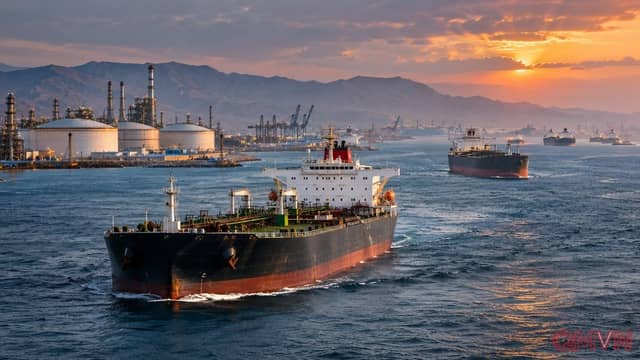
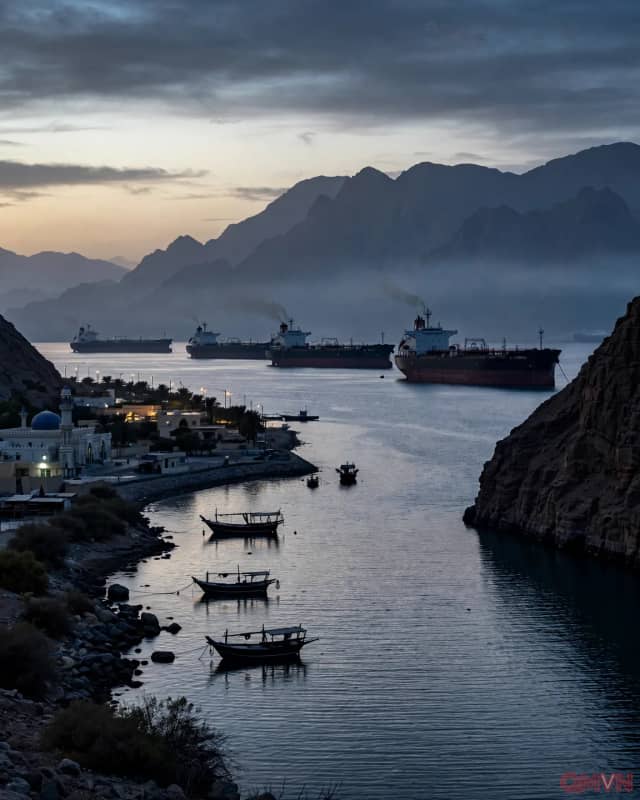
Before the crisis, roughly 20 million barrels of oil moved through the Strait of Hormuz each day. When traffic through this gateway between the Gulf and international markets was interrupted, countries thousands of kilometres from the fighting faced higher fuel bills and freight costs. Disruptions affected gas, petrochemical feedstocks, air travel and energy-intensive goods. The deeper problem is therefore not merely the price of crude oil, but the reliability of the infrastructure on which modern economies depend.
By November 2026, the IEA estimated cumulative lost supplies from the Gulf at 2.8 billion barrels of oil and 60 billion cubic metres of natural gas. Emergency reserves and other responses helped cushion the impact, its report says, but consumers increasingly have to absorb the strain. Expensive energy can force families to cut other spending and firms to delay investment. Poorer importing countries have especially limited fiscal room to shield households.
The agency is not saying the strait will become irrelevant in every possible future. Under a scenario in which shipping hazards remain elevated, bypass pipelines, alternative production and lower oil demand could reduce the amount of crude that needs to traverse Hormuz from about 20 million barrels a day before the crisis to 8.5 million in 2030 and less than 2 million in 2035. These are conditional modelling results, not guaranteed forecasts.