MAIN CONTENT
A market increasingly sensitive to individual companies
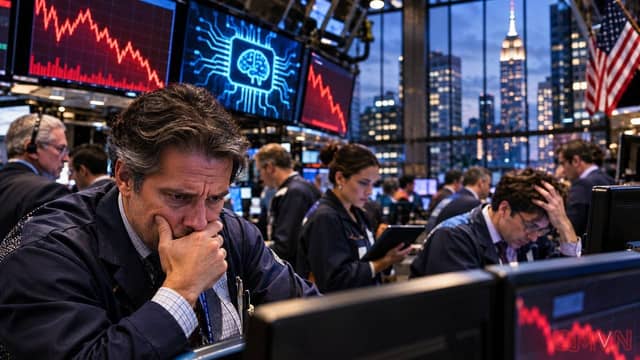
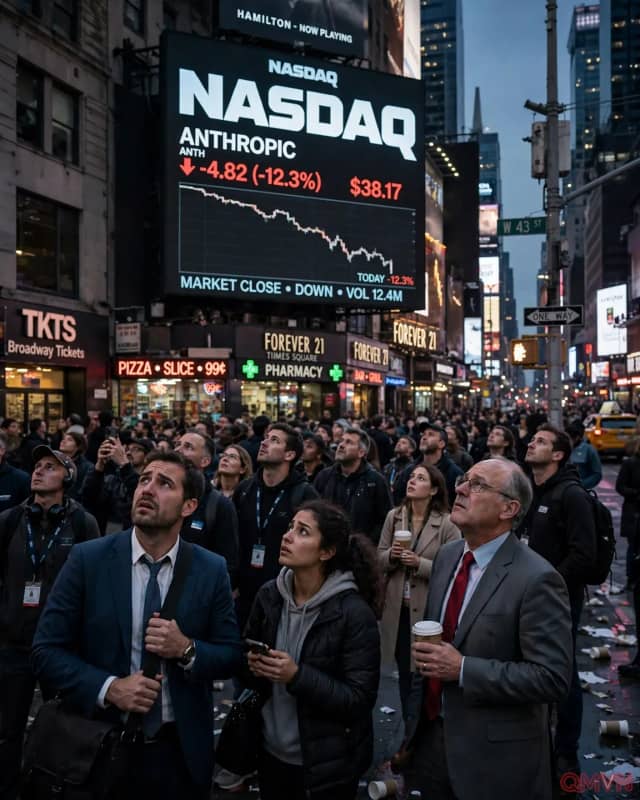
The scale of Monday’s rebound makes Tuesday’s correction particularly revealing. Nvidia had surged more than 30% after its board reinstated Huang, restoring nearly a trillion dollars in market capitalization according to the New York Times. A subsequent loss of almost 6% did not erase that gain, but showed how quickly sentiment could change. The Nasdaq remained roughly 15% below its early October peak, underlining the difference between a recovery from panic and a sustained recovery in prices.
Associated Press reported that the Dow finished at 50,018.70, while the Nasdaq ended at 23,733.54. The contrast matters because major stock indices are constructed differently. A small number of heavily weighted technology companies can dominate the direction of a broad index, even while companies in other industries perform relatively well. A headline describing falling markets therefore tells only part of the story. It also illustrates the concentration risk facing investors who assume that owning an index necessarily means holding a balanced portfolio.
The governance question behind Nvidia’s rebound
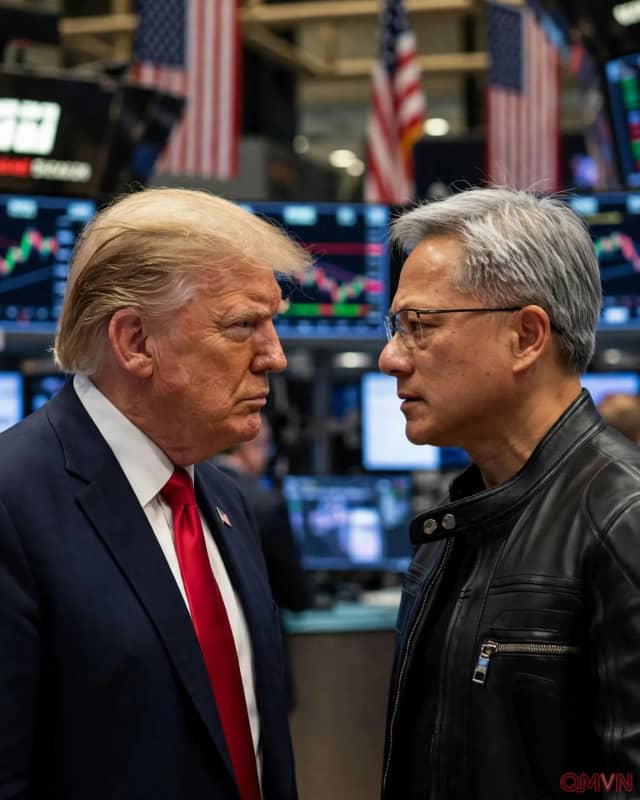
Huang’s reinstatement followed intervention by President Donald Trump, according to the New York Times. The reversal of the board’s earlier position raises questions about how directors balance management continuity, independent oversight and the interests of shareholders.