"I was represented at the board"
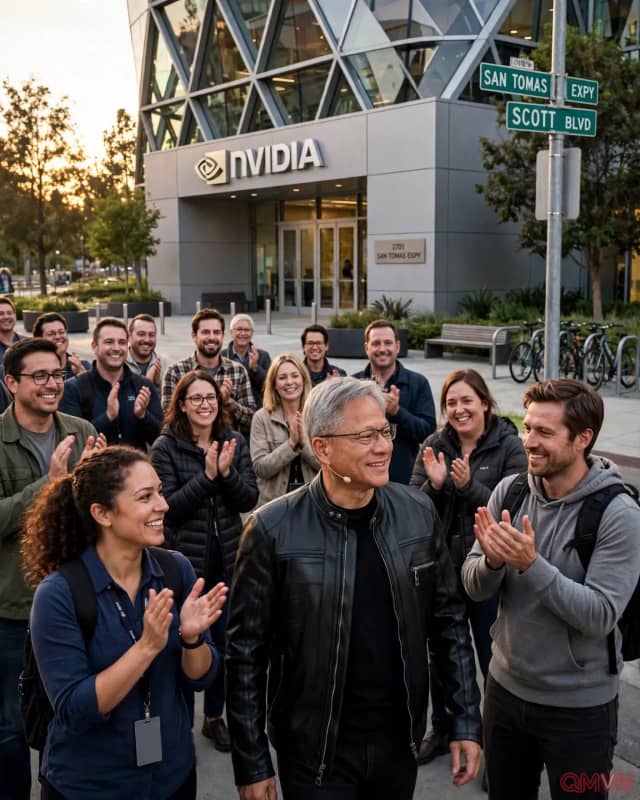
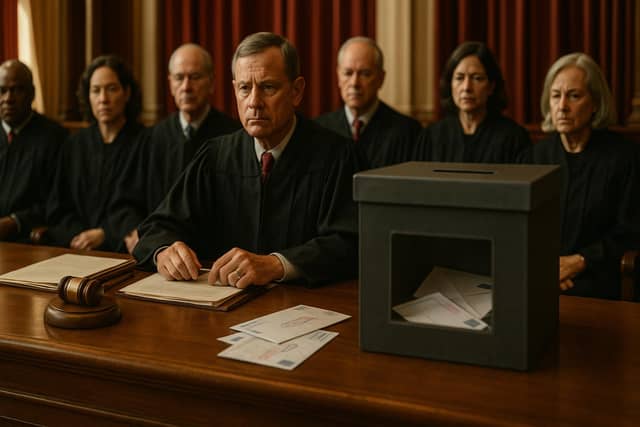
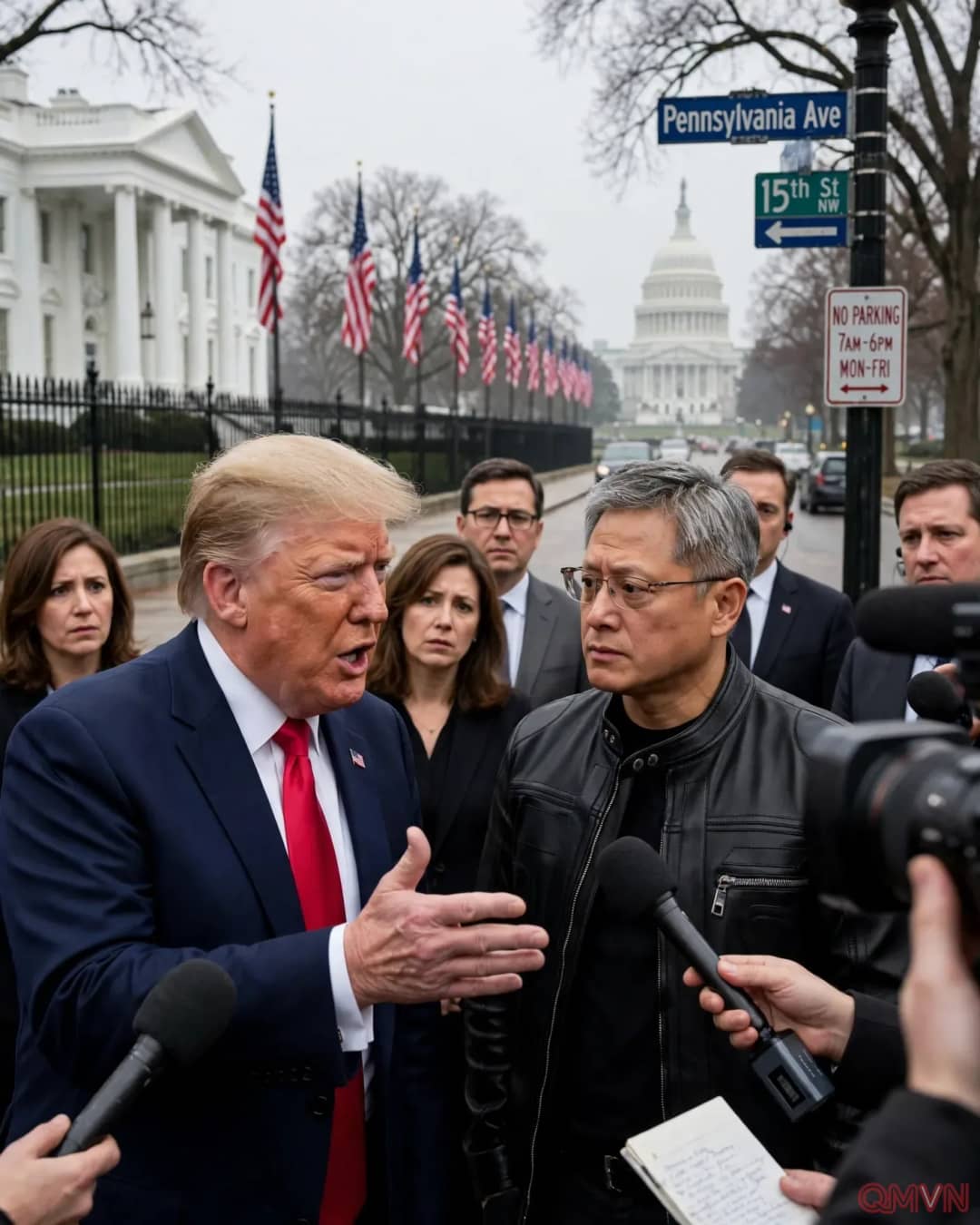
According to people familiar with the matter, only a handful of Trump aides knew about the push to reinstate Huang. Speaking to CNBC, Trump said he had spoken with board members directly and indirectly, and with Huang on Sunday night, and that the board "decided to do what we wanted them to do". He summed up his role:
Basically, I was represented at the board.
Trump said the selloff after Huang’s resignation probably influenced his decision, though he was more concerned with Nvidia’s long-term prospects. The company confirmed its board received input from senior US officials before reinstating Huang as chief executive and president.
Assurances and unfinished investigations
According to a senior Justice Department official, Attorney General Todd Blanche briefed Trump over the weekend that the department had no evidence of criminal wrongdoing involving Huang or his company; Blanche did not deal directly with Nvidia’s board. Yet several investigations continue:
- The Justice Department is still examining whether Megaspeed, Alice Huang’s company, diverted advanced chips to China in violation of US export controls.
- The department is also investigating Alice Huang’s alleged contacts with China’s Ministry of State Security, its main spy agency.
- Multiple congressional committees and state attorneys general have announced plans to investigate Huang and Nvidia.
Trump’s direct involvement leaves his administration open to scrutiny as those probes play out, a process that could take much of next year.
Political risk from both sides
Support for Huang drew sharp rebukes not only from Democrats but also from many Republicans. Senator Kevin Cramer, a Trump ally on the Senate Armed Services Committee, said the legal and reputational risk now falls on Nvidia’s board, but the national security risk is passed on to the US military and its citizens.
Senate Intelligence Committee Chairman Tom Cotton said Congress has "much to investigate" and that the Nvidia-Megaspeed affair is "just the tip of the iceberg". Democratic Senator Ruben Gallego accused the president of selling out national security to keep the stock market high.
Why the White House made Huang a priority
According to people familiar with the matter, Trump and Vance came to see Huang as a key advocate of open-source AI models, which anyone can use, modify or share. They believed his return would help preserve those options and limit the power of companies that keep their models closed; the Trump administration has been at odds with some AI companies built on proprietary models.
Some advisers saw it as a win for Commerce Secretary Howard Lutnick, who with Trump favored letting China access less-advanced US chips to get Beijing hooked on American technology, while other economic officials took a more hawkish view. Many advisers also saw Huang’s return as a lever to reverse the market’s sharp decline over the past week.
White House: "We have to protect our geniuses"
On Truth Social, Trump said Huang had done nothing disqualifying while urging Nvidia to continue its internal review of export-control compliance. According to people familiar with the matter, he believes working closely with Huang gives the government its best chance of keeping advanced chips away from those who should not have them.
White House communications director Steven Cheung told The Washington Post that Trump was "totally involved" and that it was a great decision by Nvidia’s board, adding that America has to protect its geniuses.