An urgent message before dawn
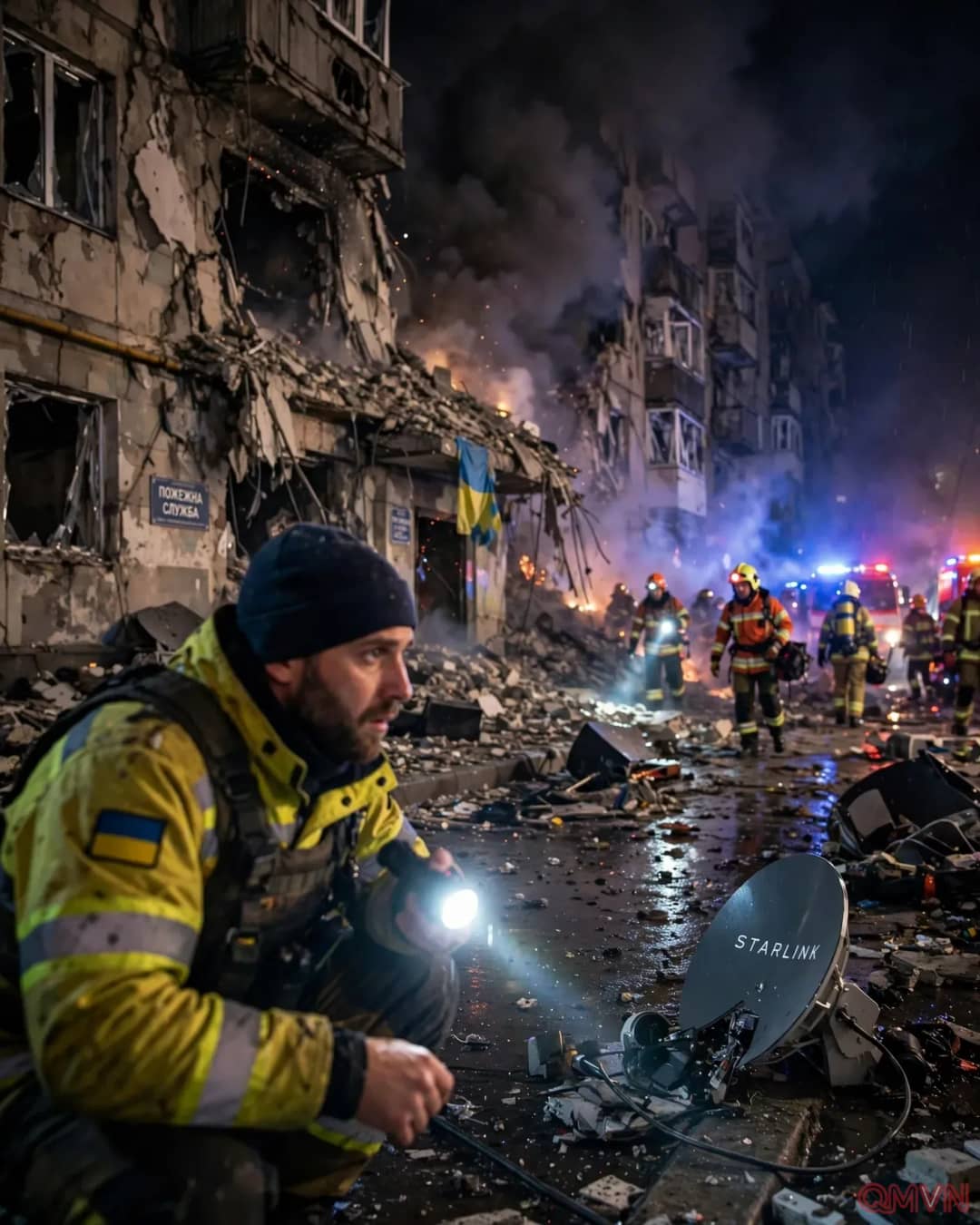
Denys Sienik, Ukraine's top diplomat in Washington, warned lawmakers that the restrictions on military Starlink would hand Russia an advantage and make it harder for Kyiv to intercept strikes on civilians. By Washington's morning rush hour, several Ukrainian officials suspected that Trump had told Elon Musk to throttle Ukraine's access – a suspicion that has not been confirmed.
SpaceX declined to comment, but Musk posted that limits on Starshield are set by the Pentagon and "ultimately" the president, without mentioning Ukraine. The White House declined to answer questions about Starlink, saying only that the president remains committed to playing a constructive role in ending the war and is optimistic about a peace deal.
A rift among Republicans
Republican Rep. Brian Fitzpatrick, who faces a tight re-election race, called it a major problem and said Congress would act if the US government was behind the limits, including by withholding funding from responsible agencies.
The Russian diesel deal has also split Republicans: some welcome it as relief for consumers squeezed by energy prices, while others condemn it as a free gift to Putin. Senate candidates Ashley Hinson in Iowa and Mike Rogers in Michigan, as well as retiring lawmakers such as Sen. Thom Tillis and Rep. Don Bacon, have spoken out against it. Some lawmakers also argue the deal violates a 2022 law barring imports of Russian energy without prior consultation with Congress.
"If we start going dark on Ukraine there will be consequences, mark my words." — Brian Fitzpatrick
From New York to Miami
According to people familiar with the matter, tensions escalated through a series of events:
- Mid-September: in New York, Trump pressed Zelensky over strikes on Russian oil refineries; the US then asked Kyiv repeatedly to halt them.
- October 9: in Miami, Jared Kushner and Steve Witkoff told Ukrainian and European officials the president was considering a diesel deal with Russia; the same day, after a 90-minute call with Putin, Trump announced it.
- Sunday: Trump declared an immediate energy ceasefire, but Russia soon struck a power plant in Kharkiv.
Asked about the violations, Trump said the parties had agreed because he said they had agreed. Analysts say rising energy prices stem mainly from the war with Iran, but Ukraine's drone campaign has also knocked 40% to 50% of Russia's refining network offline.
Two visions of peace
Administration officials say Trump is the only person who can talk to both Putin and Zelensky. In their view, he wants to de-escalate the fighting first and then bring Moscow a new offer with economic and political benefits if it sticks to a lasting ceasefire; the diesel deal both lowers US fuel prices and dangles an incentive to bring Putin back to the table.
European and Ukrainian officials counter that only increasing pressure on Russia can end the war, and that Putin will use any economic lifeline from the US to refill his war chest. They also say the US warned it could cut intelligence support or arms sales to Kyiv, which US officials deny. Zelensky admitted he felt betrayed.
"It's a pity that we are losing a strong partner." — Volodymyr Zelensky