MAIN CONTENT
From nine familiar planets to thousands of distant worlds
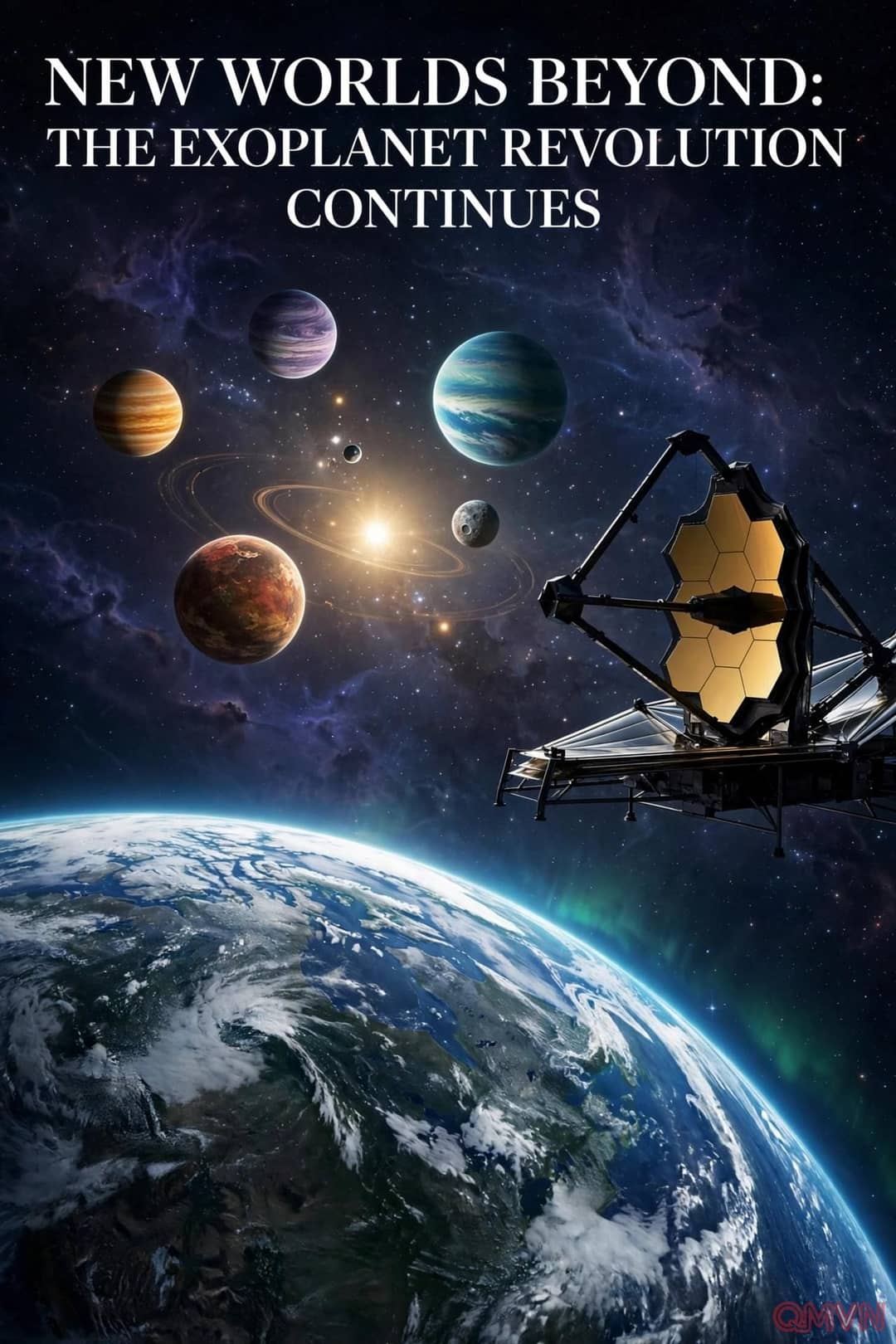
In the 1990s, children often learned that the Solar System had nine planets, including Pluto. Three decades later, the confirmed catalog of planets beyond the Solar System exceeds 6,300, with thousands more candidates awaiting confirmation. Astronomers estimate that the Milky Way may contain tens of billions, perhaps around 100 billion, planets.
That abundance changes how humanity sees Earth’s place. Exoplanets can be rocky, gaseous or icy, orbit extremely close to stars, endure intense heat or circle stars that have died. They expand imagination while allowing scientists to test physical laws and stories of planet formation under conditions unavailable nearby.
Exoplanets show us exotic versions of the same laws of physics.
Seeing planets that cannot be directly seen
Most exoplanets are too distant for current telescopes to photograph sharply. Scientists instead infer them from tiny marks on starlight or stellar motion.