MAIN ARTICLE
False alarms at a moment of heightened anxiety
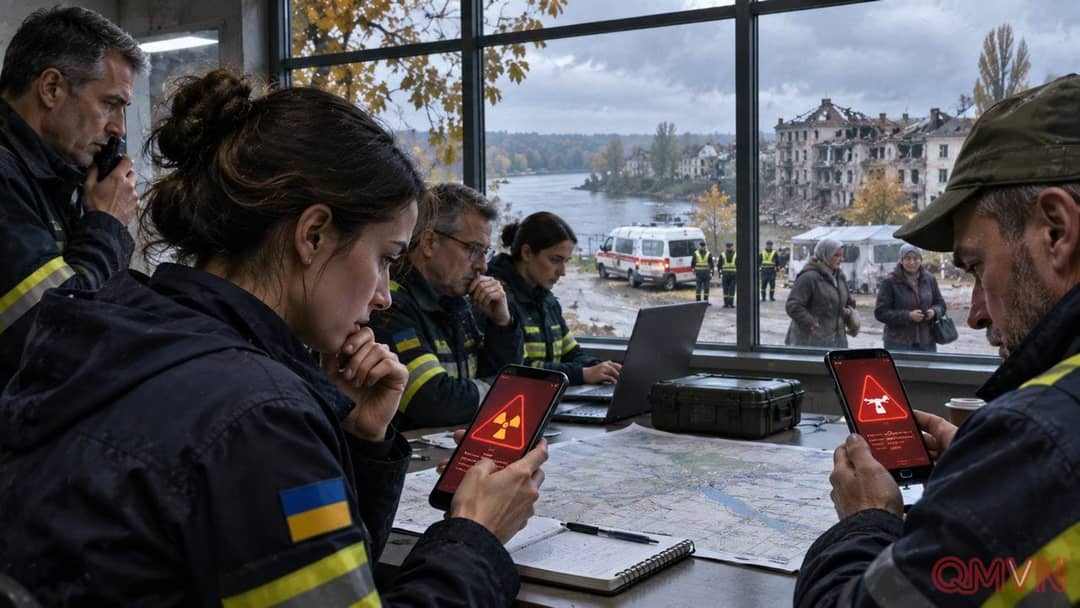
Late on November 1, Ukraine’s Air Alert application unexpectedly displayed nuclear and chemical warnings for Kyiv and several other areas. Messages also referred to possible street fighting and deployment of Russia’s Oreshnik missile. Officials stressed that the alarming notices did not establish that such dangers existed. Ukraine’s Air Force urged people to remain calm, said there was no radiation threat and advised following verified official channels.
Ukraine’s Digital Transformation Ministry reported disruption to the app while alternative warning systems, including sirens, continued operating. Some regional officials warned residents against following suspicious links, amid concerns about possible phishing. Reliable correction matters enormously in a country where people may have only minutes to reach shelter. A false alarm can create panic; repeated false alarms can also erode the willingness to respond to the next genuine danger.
Russia reports a separate intrusion
Hours later, Russia’s Emergencies Ministry said its own mobile application had been subjected to a massive cyberattack that allowed false information to reach the public. The service normally warns of drone attacks and other hazards.