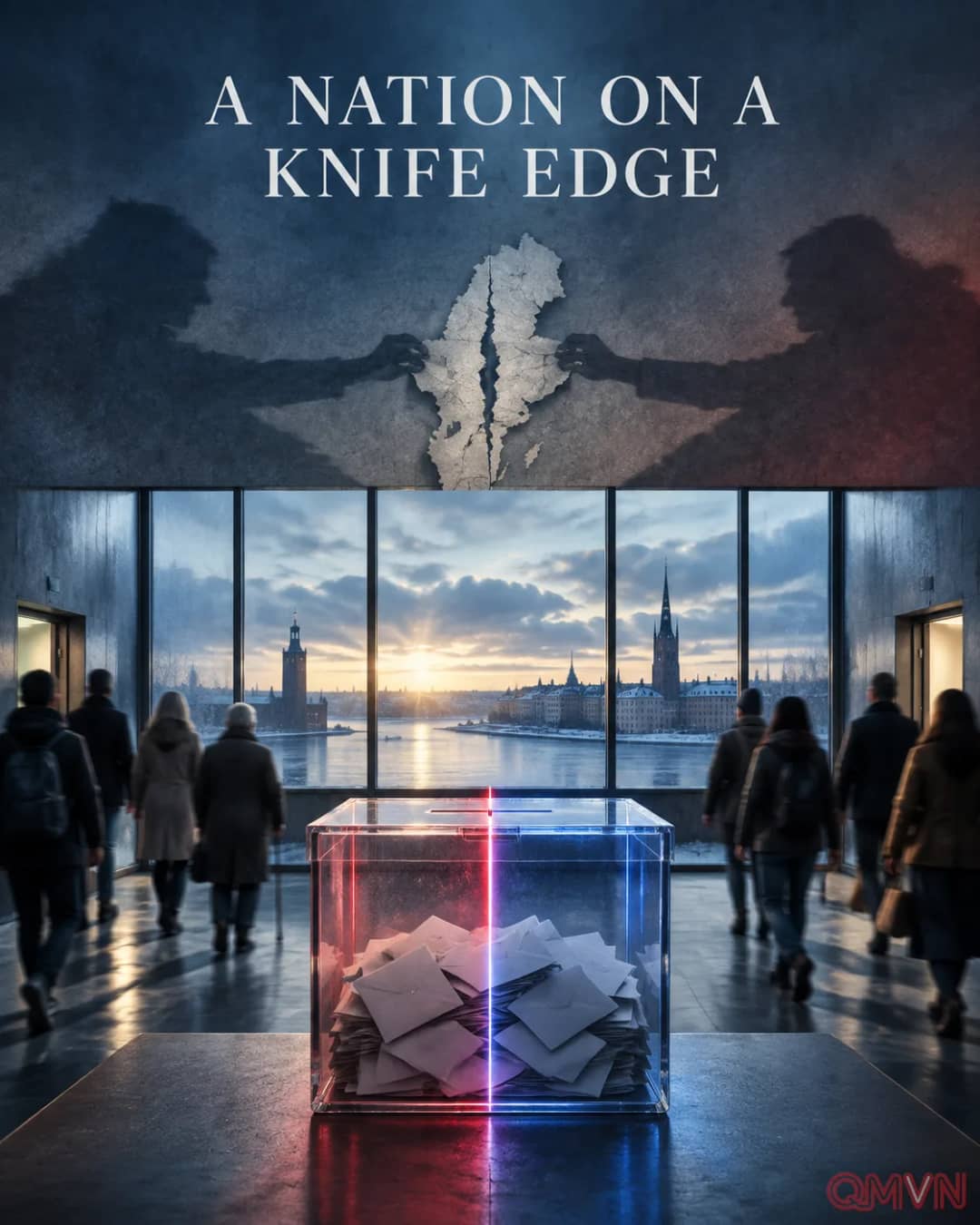
A De Facto Referendum On The Far Right's Place In Power
Ahead of the vote, Kristersson broke a long-standing taboo by pledging to formally bring the Sweden Democrats, a far-right party with roots in the Nazi fringe, into his cabinet if his bloc won. That marked a significant step beyond the 2022 arrangement, under which the party remained outside government while still shaping immigration and security policy in exchange for parliamentary support. Whatever the outcome, analysts note the vote is unlikely to alter Sweden's broader pro-Western and pro-Ukraine foreign policy stance, which enjoys support across the political spectrum. Sweden Democrats leader Jimmie Åkesson, who has led the party for more than two decades, now stood on the verge of completing its journey from a marginalized outsider when it first entered parliament in 2010 to an official participant in the machinery of state power. On the eve of the vote, Åkesson visited Rinkeby, a Stockholm suburb with one of the country's largest Swedish-Somali populations, and said the area "doesn't look like Sweden," adding that the party would push to ban both the niqab and the burqa if it entered government, arguing such dress "reflects values that I don't think belong in Sweden."
Two Competing Visions For Sweden
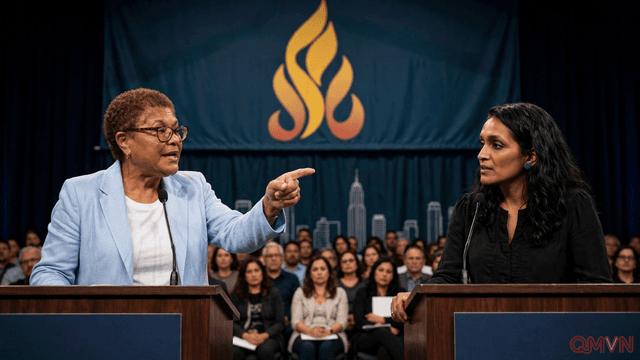
Kristersson argued that his coalition's policies had helped curb gang violence and sharply cut immigration, declaring, "We can unify parties, voters and issues into joint action. That's why we get things done." He even borrowed U.S. President Donald Trump's signature phrase, saying he wanted to "make Sweden great again." Andersson, by contrast, argued the approach was eroding civil liberties, pressuring immigrants to conform more closely to Swedish cultural norms or leave, through a mix of incentives and penalties.
"We've become a harder society, a quieter society, but also a poorer society as we've had growth far below our potential and where households see their paychecks buy less and less," she told Reuters, insisting that solidarity, not division, was the true source of Sweden's strength. "Our country has based its strength on sharing in each other's achievements and that we stick together when things are hard," she added, framing the choice ahead as one about the nation's fundamental character rather than a single policy area.
A Razor-Thin Result Still Too Close To Call
According to preliminary counts, Andersson's center-left bloc held a narrow lead of 176 seats to 173 for the governing coalition, a margin so tight that no side could immediately claim victory, with postal and overseas ballots still being tallied. Strikingly, the tally was almost a mirror image of the 2022 election, when the right-wing alliance won by that exact same 176-to-173 margin. Should this result hold, the biggest political gamble of Kristersson's career, publicly inviting the Sweden Democrats into cabinet, may have backfired, inadvertently mobilizing opposition voters instead of securing his majority. Supporters of the right, meanwhile, maintain that a win for their bloc would have amounted to a clear public endorsement of policies they credit with curbing gang violence and cutting immigration sharply, regardless of how narrowly any final margin turns out.
Context: From A Fringe Party To A Political Force No One Could Ignore
The Sweden Democrats first entered parliament in 2010 as a party shunned by most of the political mainstream. Election after election, it steadily expanded its influence, becoming by 2022 an indispensable partner for Kristersson's three-party minority government. This election posed the question of whether that trajectory would advance one step further, from wielding influence behind the scenes to governing directly, or whether it would stop just short of the cabinet door, a question that a country of roughly 10.6 million people watched play out in real time.