From campaign symbol to commercial test
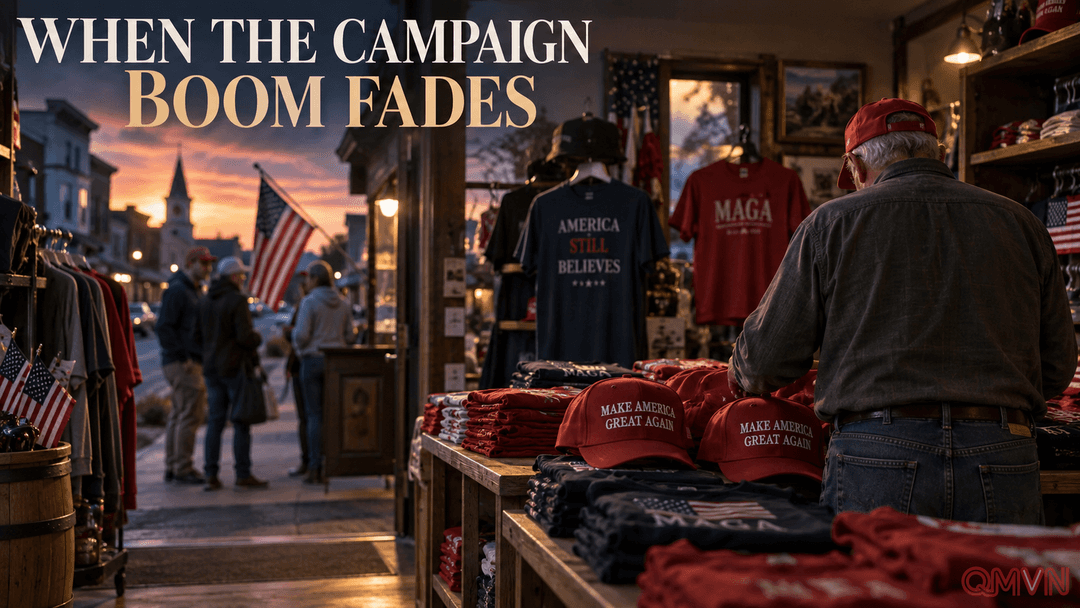
MAGA, short for Make America Great Again, has developed beyond a campaign slogan into a market for hats, clothing, flags, ornaments and other souvenirs. Once the campaign ends, however, the reasons for purchasing change. A cap already sitting in a closet can be worn for years without its owner needing another. The emotional value of an existing possession may remain strong even when demand for additional merchandise declines.
The Wall Street Journal reported on September 6, 2026, that Donald “Whitey” Taylor, owner of Trump Town USA in Boones Mill, Virginia, said his average daily revenue had dropped from as much as $15,000 in 2024 to about $1,500. These are figures supplied by the owner, not independently audited results or a representative industry-wide estimate. Those explanations are the shopkeeper’s assessment, rather than a statistical finding about all MAGA consumers. Tracking customer visits, average transaction values and repeat purchases can help distinguish a temporary slowdown from a lasting change. Those measures are more useful than comparing every ordinary day with an exceptional campaign peak.
Household budgets reshape discretionary spending
Political souvenirs generally belong to the category of discretionary purchases. When household finances tighten, consumers may put food, housing, transportation, medicine or children’s needs ahead of another commemorative item. That choice does not necessarily mean their political beliefs have changed. It may simply reflect a different order of priorities when essential expenses absorb more income. This distinction matters particularly in a market where products are closely connected to personal identity and emotional attachment.