MAIN ARTICLE
Winning an election is different from winning the caucus
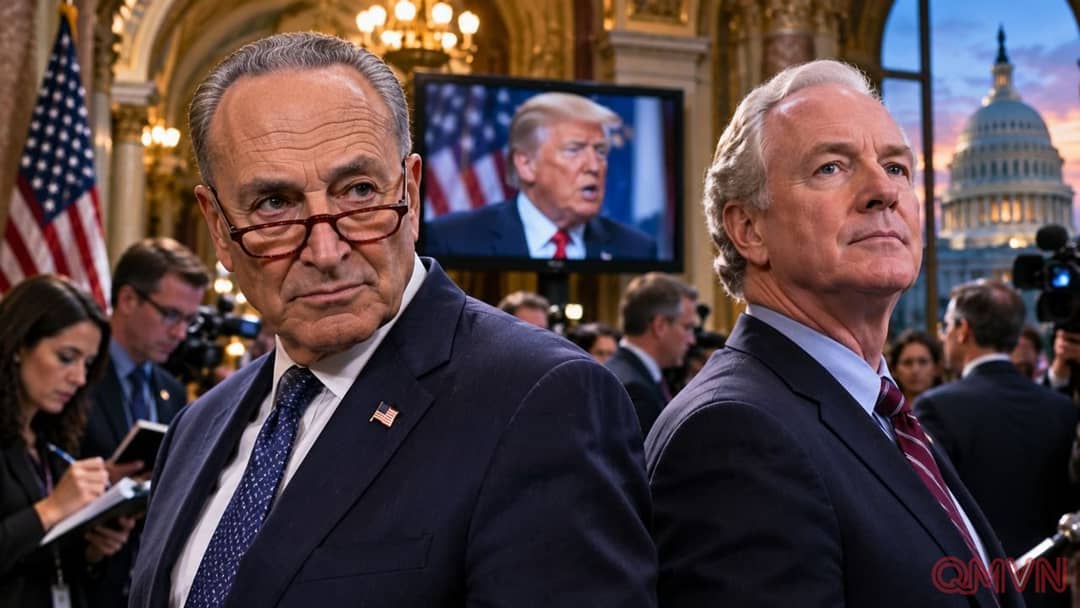
Schumer turns 76 on November 23 and enters the leadership ballot with substantial institutional advantages. He has led the Senate Democratic caucus since 2017, negotiated across partisan divides and helped oversee a campaign that flipped nine Senate seats. His allies argue that an experienced negotiator is especially valuable when the party must turn a commanding election result into legislation, oversight and a functioning majority.
Van Hollen sees a different mandate. The Maryland senator says the election showed that voters want a break from established habits and a stronger voice for new lawmakers. The December 1 secret vote leaves room for senators to decide privately; public endorsements indicate political momentum but cannot establish a final result.
Trump intervenes in a decision Democrats must make themselves
On November 22, Trump declared on Truth Social that working with Schumer as majority leader would be very difficult. He also attacked Schumer's past record.