Refining capacity plunges
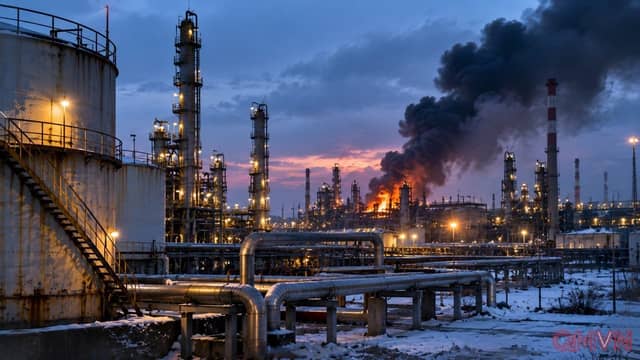
After nearly 20 days of near-daily strikes, Russia's refining sector has taken heavy damage. The key figures are:
- Crude processing has fallen to around 400,000 metric tons per day, or roughly 3 million barrels, from more than 700,000 tons at the end of October.
- The combined nominal capacity of the refineries hit stands at about 500,000 tons per day, equivalent to 54% of total primary refining capacity of an estimated 930,000 tons per day.
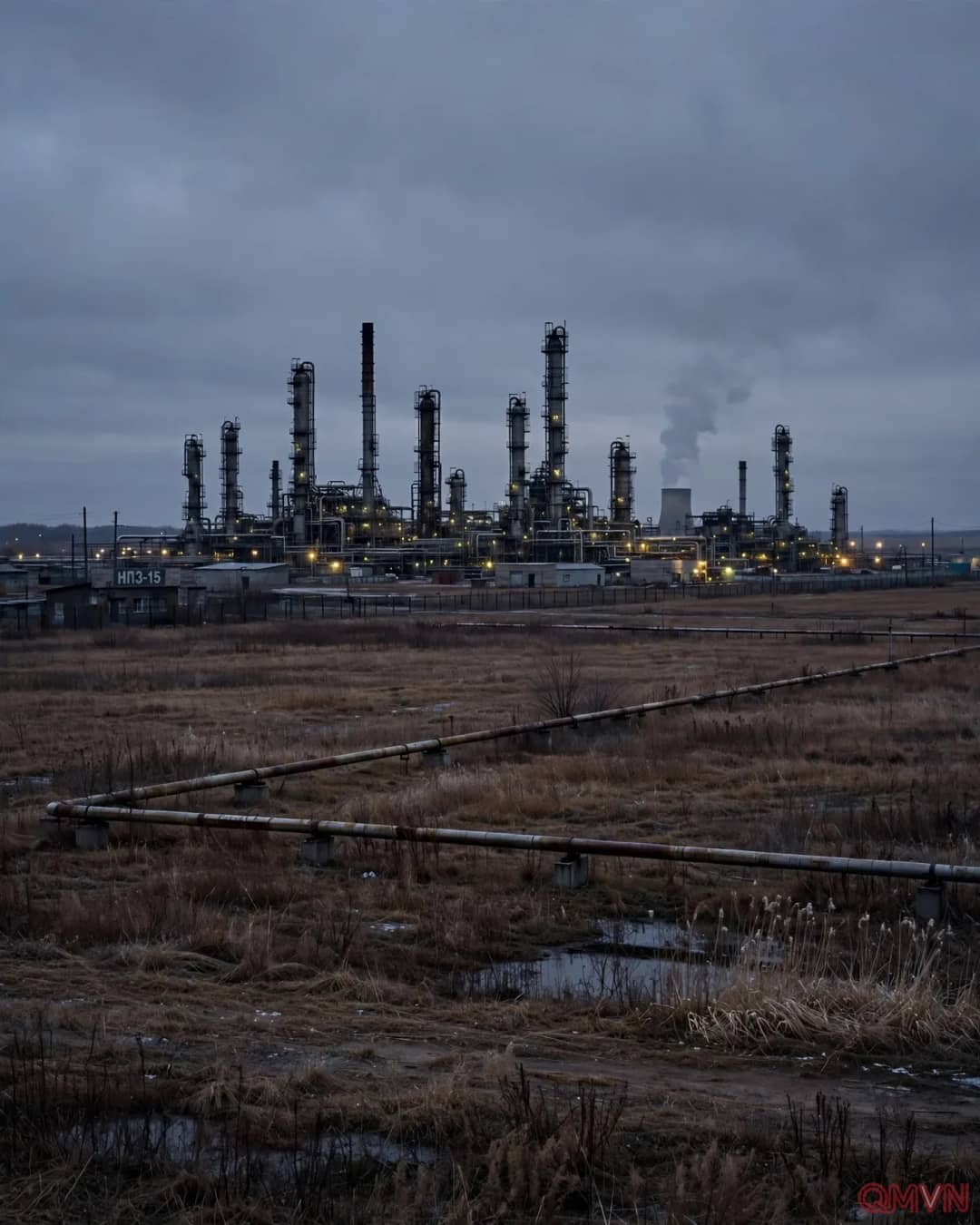
- Major plants affected are located in Ryazan, Yaroslavl, Kirishi and the Volga region.
However, because operating capacity declined gradually, average crude processing in November remains above 500,000 tons per day, only about 5% to 10% below September and October levels.
A fragile “energy ceasefire”
On October 11, US President Donald Trump announced a ceasefire on energy infrastructure between Russia and Ukraine. Although neither Moscow nor Kyiv acknowledged agreeing to it and attacks continued, Ukraine eased its strikes for roughly two weeks.
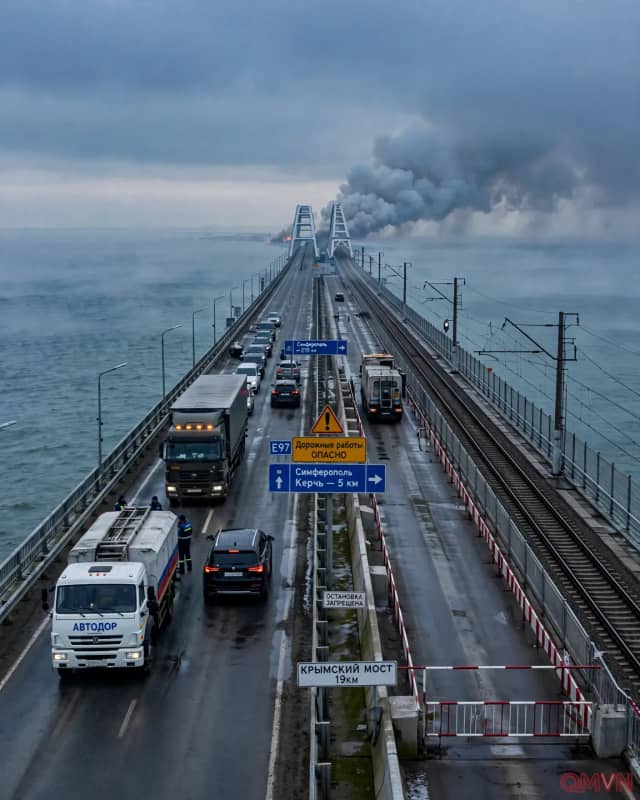
The war has since escalated again. Ukrainian drone attacks have grown in scale and frequency, while Russia has stepped up its own drone and missile strikes. According to Russian defence ministry data released on November 16, Ukraine carried out the largest overnight drone attack since the war began in 2022, also targeting a strategic bridge and oil refineries.
Consequences for Russia and the world
At home, lower refining output risks worsening the fuel shortages already seen in some regions. Combined with attacks on seaports, Russia's fuel export capacity is being squeezed from two directions.
Internationally, reduced supply of Russian refined products could tighten global fuel markets. In particular, Russia's ability to deliver on its diesel export deal with the United States, reached after exchanges between President Vladimir Putin and President Donald Trump in October, may be affected.