MAIN ARTICLE
Rethinking the daily commute
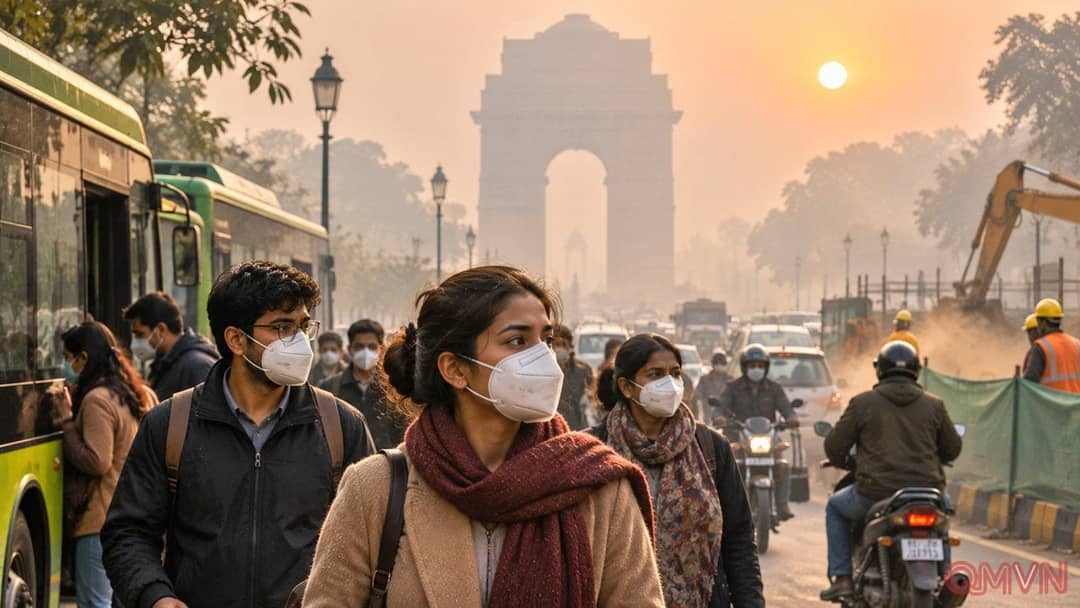
As autumn turns to winter, Delhi enters a season when skies can fade from pale blue into dense grey in a matter of days. Authorities are attempting to intervene before air-quality readings reach emergency levels. Under the seasonal framework, parking fees at approved sites are doubled from November through February, although facilities operated by Delhi Metro are exempt. The economic idea is straightforward: make unnecessary private-car trips less attractive while encouraging commuters to consider buses and urban rail.
Public and private offices are also expected to have roughly half their staff working remotely, supported by staggered schedules designed to ease peak-hour congestion. An employee able to work from home represents one fewer possible journey through already crowded streets. But employers still have to organise services, protect productivity and consider cleaners, drivers, retail staff and others whose jobs cannot be performed remotely. Whether the arrangement brings lasting relief will depend on how consistently workplaces implement it.
Vehicles and construction sites come under scrutiny
The transport measures are more targeted than an indiscriminate ban on older cars. During the peak winter period, vehicles registered outside Delhi that do not meet BS-VI emissions standards face entry restrictions. Fuel stations are also subject to the “no valid pollution certificate, no fuel” rule, intended to make compliance with emissions testing meaningful.