MAIN CONTENT
A brief order with immediate consequences
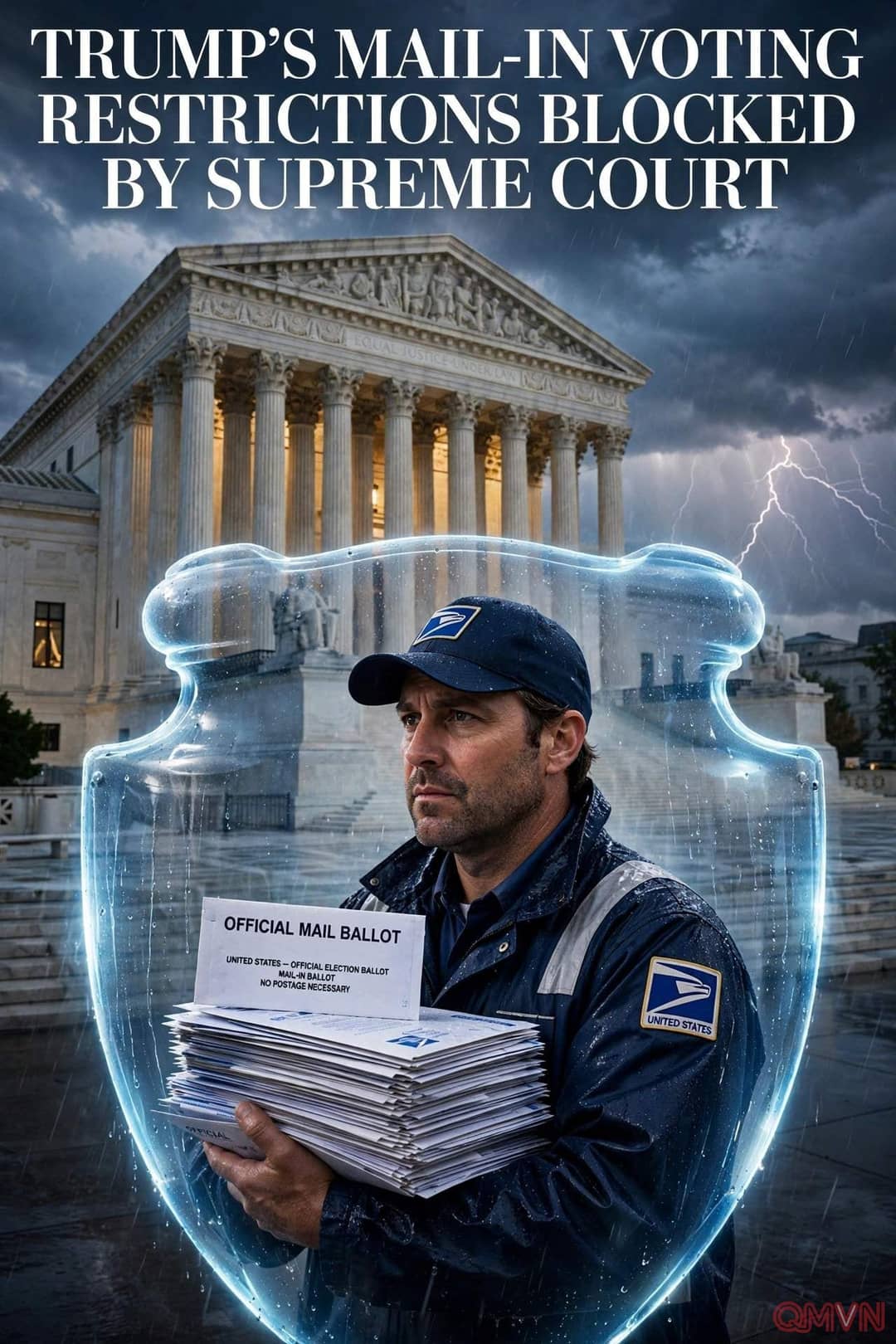
In a one-paragraph order, the Supreme Court refused to pause the preliminary injunction issued by United States District Judge Indira Talwani. USPS therefore cannot enforce the final rule for the November 3 election. The Court did not deliver a final judgment on every underlying issue, but it concluded that the government was unlikely to prevail in its challenge at this stage and that emergency relief was not justified.
Justices Samuel Alito and Clarence Thomas dissented. Justice Brett Kavanaugh agreed with the result but wrote separately that the rule may fall within USPS statutory authority. For him, timing was decisive: applying it after election preparations and mail voting had begun would be arbitrary and capricious under the Administrative Procedure Act because state and local administrators lacked a reasonable opportunity to redesign their systems.
What the Postal Service rule would change
USPS finalized the rule in late August following a directive in President Trump’s March executive order. Federal ballot envelopes needed an election-mail logo, compatibility with high-speed processing and a specialized barcode unique to each voter. States would submit designs for Postal Service review and upload recipient information to a federal portal. The rule covered outgoing ballot mail, making the delivery of ballots to voters dependent on state compliance.