MAIN CONTENT
A commitment born from years of pressure
The pledge did not emerge from a routine corporate sustainability review. In September 2020, the Human Rights Law Centre submitted a complaint to the Australian National Contact Point for the OECD Guidelines on behalf of 156 residents near Panguna. They raised allegations about continuing environmental harm and human rights impacts, and sought an independent assessment and substantial resources for rehabilitation. The complaint did not, by itself, establish legal liability; it opened a process of dialogue over harms that communities said had been left unresolved.
Rio Tinto and community representatives agreed to a joint assessment process in 2021. A multi-stakeholder oversight committee brought together affected landowners, community voices, governments, Bougainville Copper and the company. The resulting Panguna Mine Legacy Impact Assessment, published in December 2024, gave the discussions a stronger evidentiary foundation. The November 2026 fund is the latest step in that sequence rather than an instant resolution of the underlying problems.
What the money is intended to change
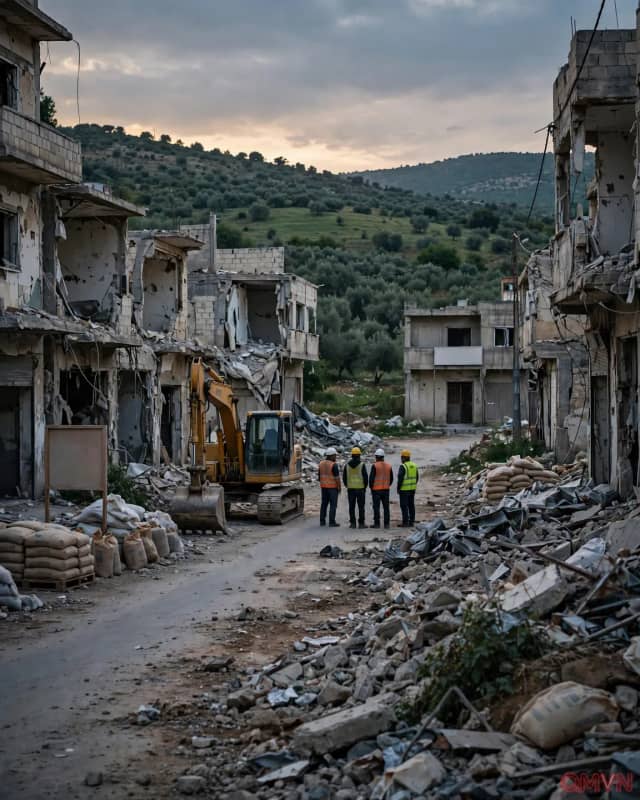
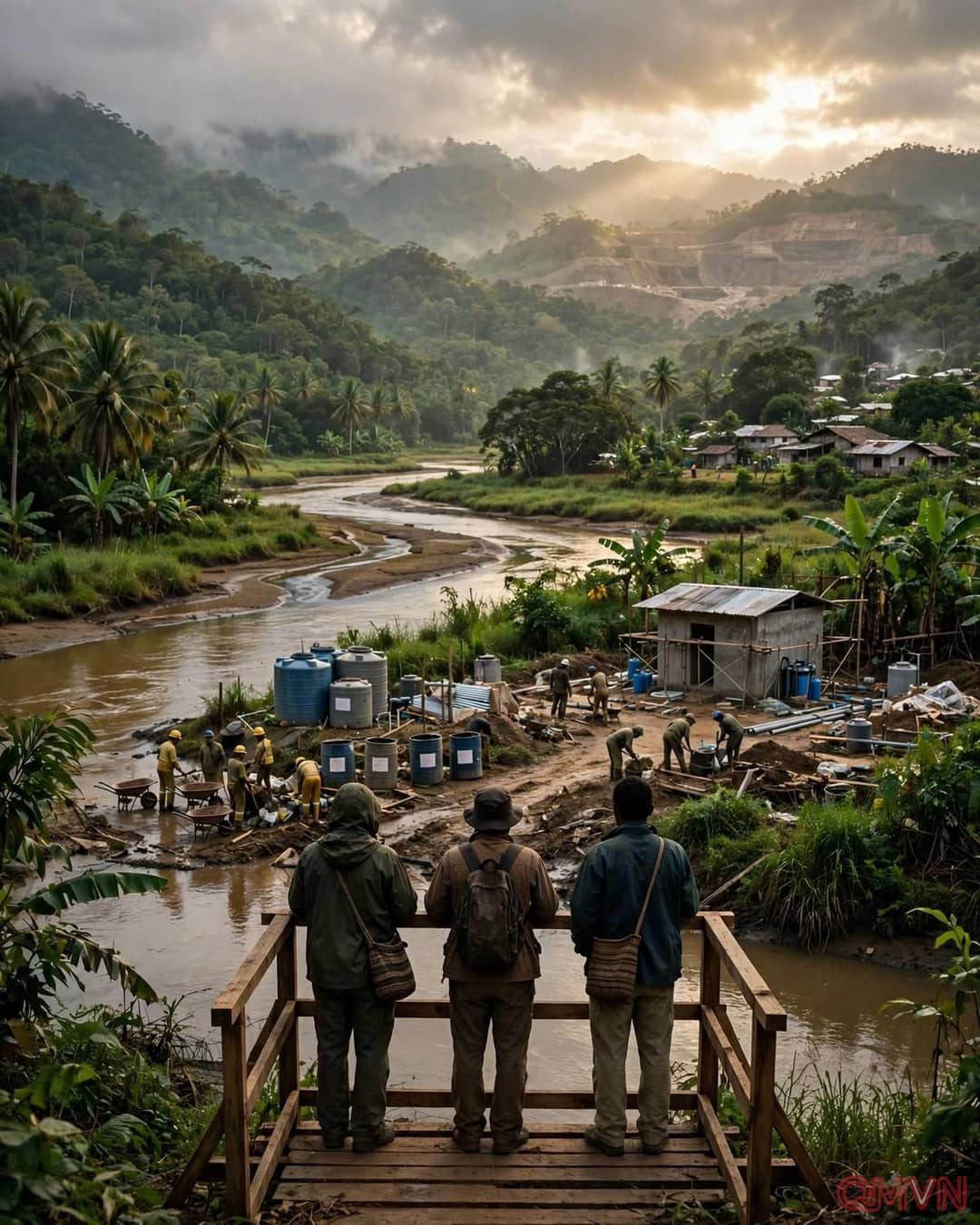
Rio Tinto says its US$250 million contribution will help finance practical responses in river and delta areas and social initiatives in communities affected by the former mine, port and associated settlements. Known hazards include ageing structures, unstable ground and flood exposure.