Two governments, two interpretations
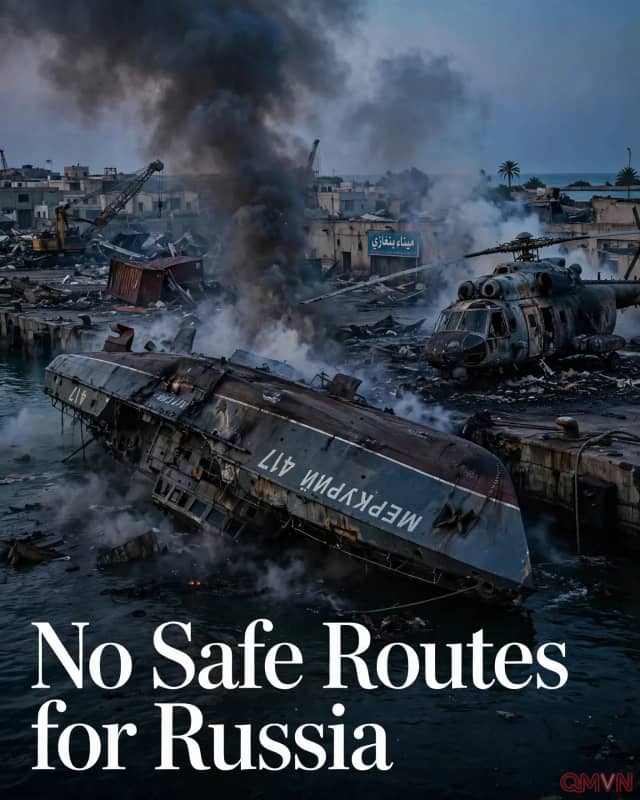
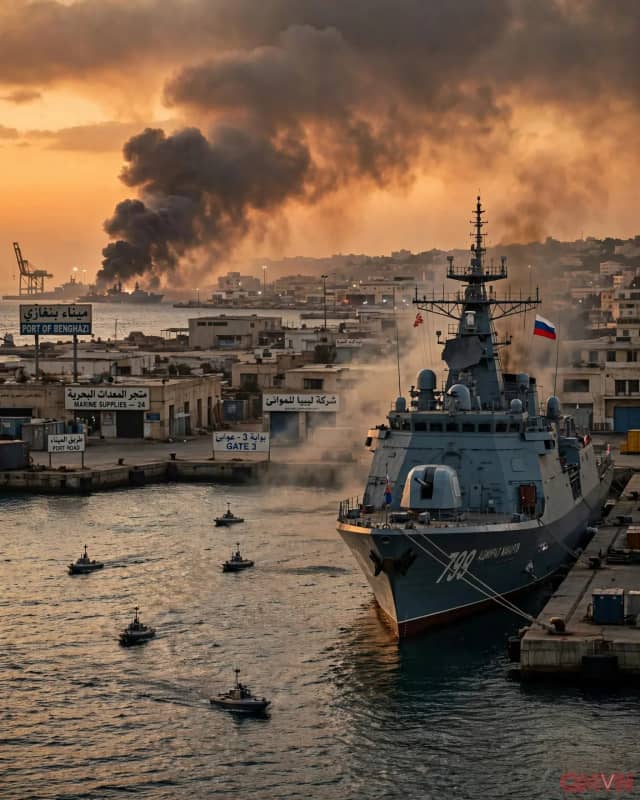
Foreign Minister Andrii Sybiha presented Ukraine’s operation as part of its response to Russian aggression. Reuters reported on November 24 that the minister invoked Article 51 of the United Nations Charter and maintained that Ukraine did not intend to injure Libya or its citizens. The Ukrainian position draws a distinction between the country hosting a military asset and the state using that asset to wage war. A distinction of purpose, however, is not necessarily a complete answer to the issue of territorial jurisdiction. Reuters reported that the operation sank the Russian naval corvette Merkury in Benghazi.
From Tripoli, the Government of National Unity expressed a different concern. Associated Press reported that the Libyan authorities said they had not authorised foreign military activity within their territory or territorial waters. For a government seeking to restore unified institutions, the issue goes beyond bilateral relations with Kyiv. Accepting an unauthorised operation could weaken its ability to assert authority over its own territory. Its protest need not be read as an endorsement of Russia’s invasion.
What the United Nations Charter actually establishes
Article 51 recognises the inherent right of individual or collective self-defence following an armed attack. The provision also requires measures taken in self-defence to be reported immediately to the Security Council.