MAIN CONTENT
Costly race against the cold after missile damage
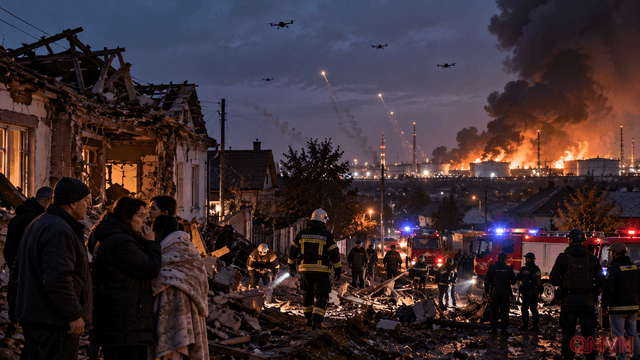
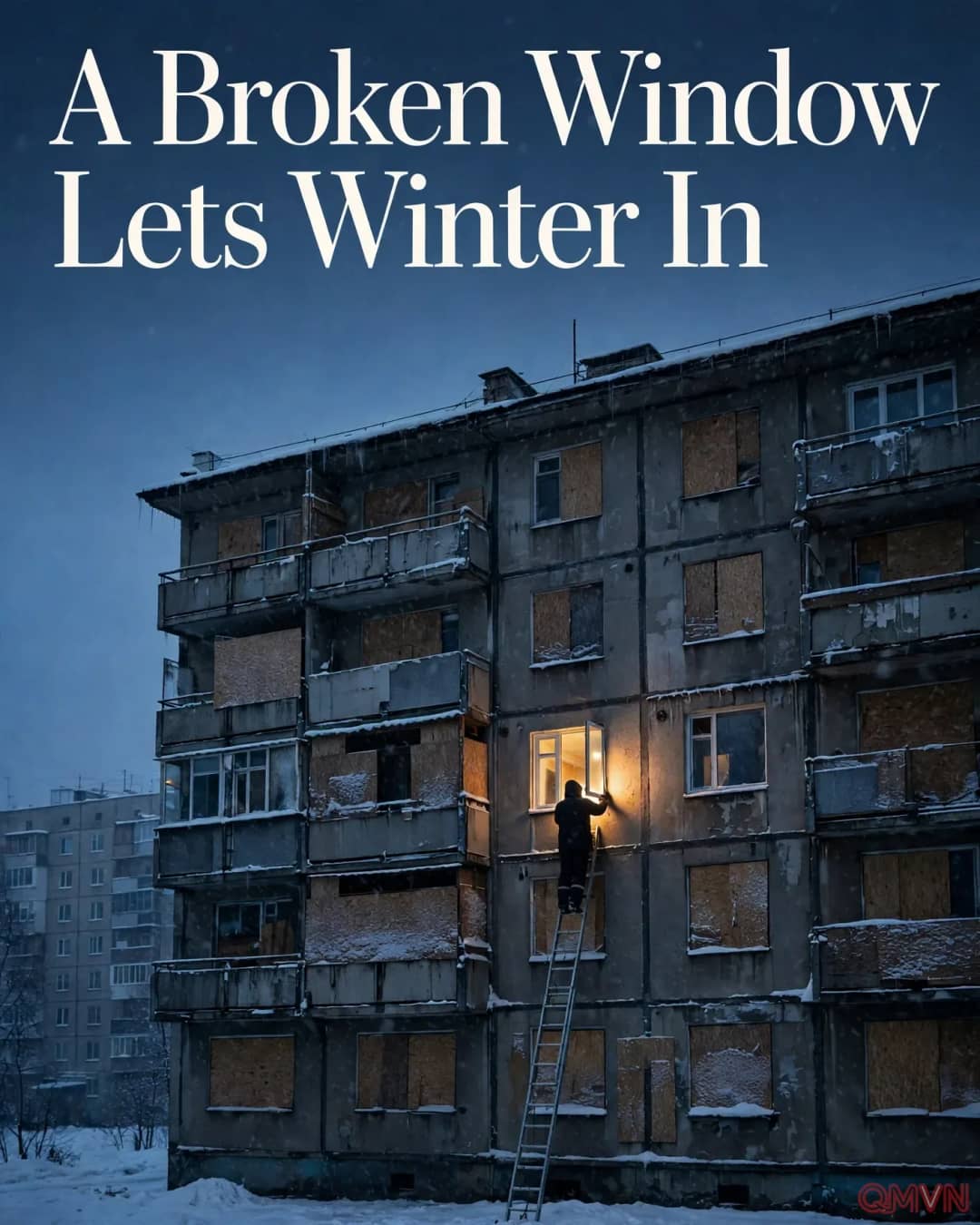
In Kyiv on November 22, 2026, weeks after a missile exploded in front of her horizontal Soviet-era apartment block in October — damaging a vertical section of flats and shattering hundreds of facade windows — Oleksandra Horban still found glass shards inside her ground-floor apartment despite vacuuming three times and mopping, discarding her two-year-old son's plush toys. Most broken windows are temporarily covered with fiberboard or tarps, sometimes with small Plexiglas openings for daylight, while new windows for her flat cost around 1,700 dollars — more than three times the average salary — and government compensation can take three to four months.
Many households cannot afford to wait and face cold, dampness, and mold, especially during blackouts; according to the World Bank, roughly 3 million housing units were destroyed or badly damaged by the end of last year, adding 90 billion dollars to Ukraine's reconstruction needs.
"Even now we still find glass; if we vacuum three times, wash the floor and clean up, we'll still find those microscopic pieces somewhere, in the bed or in the toys." Oleksandra Horban
Shortage of skilled installers and blackout strain
While factories can manufacture windows in about 10 working days, securing qualified installation crews remains a major bottleneck:
Mykhailo Orlenko, executive director of the Association of Ukrainian Manufacturers of Transparent Structures, said companies could not exempt employees from military service, including many installers, costing the market large numbers of specialists.
High demand has at least doubled installation bills over the past year, while waiting for a crew to open up can take far longer than factory production.
Oleksandr, a 42-year-old installer with 25 years in the trade, said power outages force crews to use battery-powered tools and haul heavy materials up stairs with elevators out — including 18 stair trips for a fourth-floor job — rather than waiting for power to return.
"That was 18 trips up and down the stairs, carrying heavy loads; it would have been easier with a working elevator, but we didn't wait for the power to come back on and got straight to work." Oleksandr
Training new apprentices and surviving another winter
To ease labor shortages, industry associations lobbied for formal government recognition of window installation to unlock grants and structured courses; in March, a Kyiv vocational college opened a European Union-funded facility where 26 tenth graders began a three-year program in window, door, and facade installation with expected starting pay around 900 dollars — comparable to law graduates amid skill drain — while planners estimate repairing damaged homes, schools, roads, and power plants will take at least a decade.
For Horban's household, lacking piped gas means cooking on a portable cylinder, heating her son Viacheslav's room when power is on, and coping with a leaking kitchen roof, while the toddler presses his nose to an intact pane, waves to passersby, and asks about more "bam bam" explosions as she says they are merely surviving rather than living.