MAIN CONTENT
A strike announced from the presidency
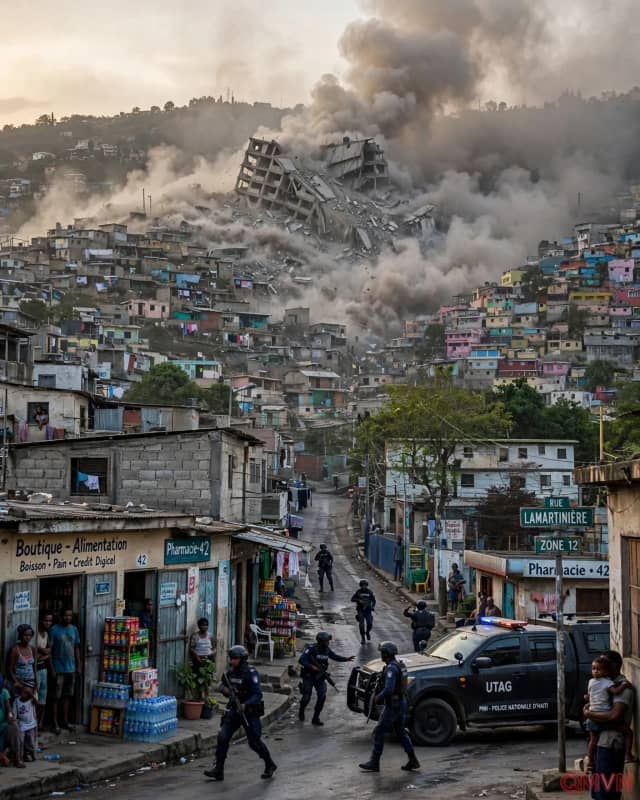
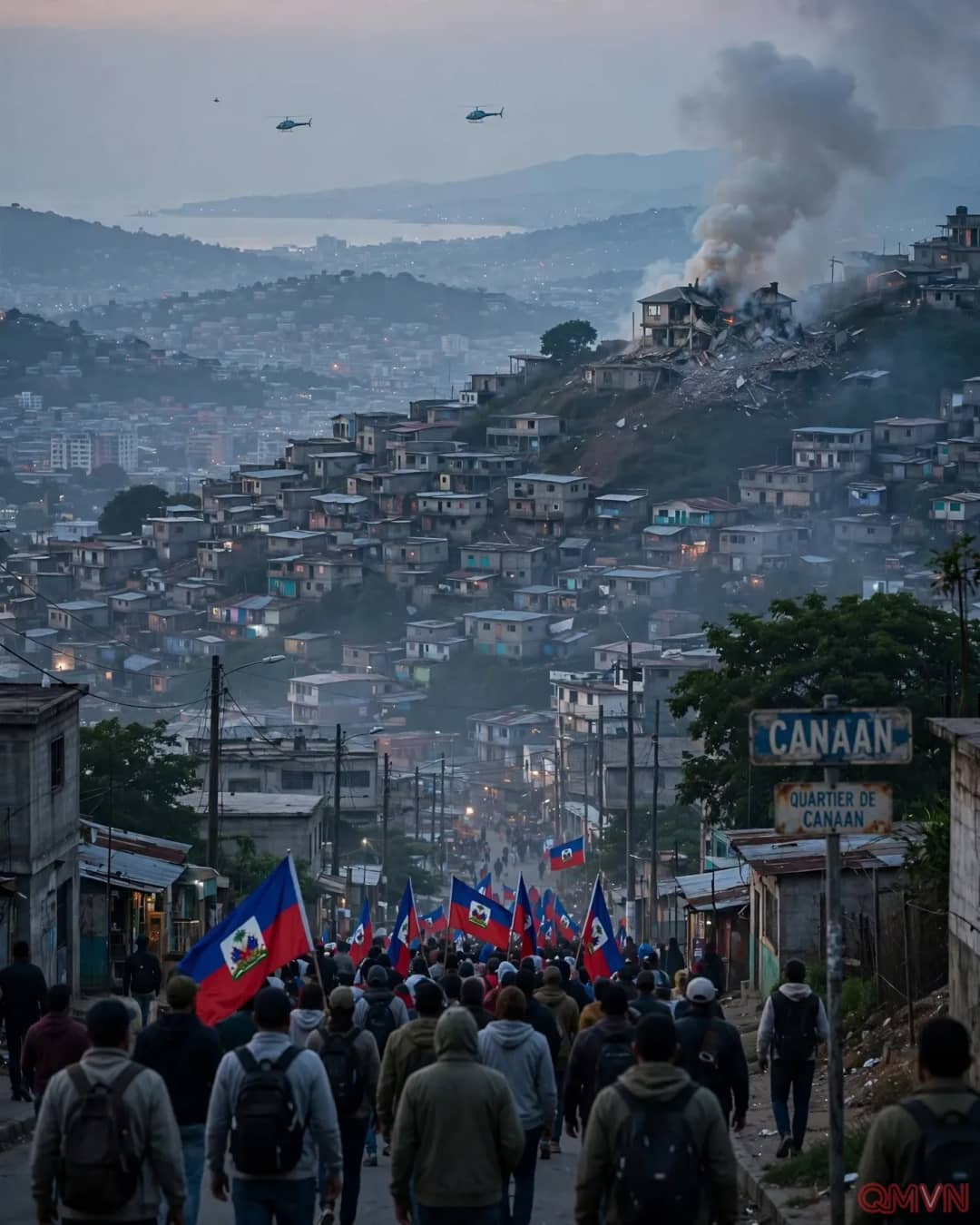
Bukele publicized the attack in a post on X, showing images that appeared to depict Salvadoran helicopters firing toward Larose’s property. The president linked the announcement to the anniversary of the Battle of Vertières, a decisive episode in Haiti’s struggle for independence in 1803. The choice of date gave the message historical resonance, although imagery released by a government is not, by itself, an independently verified account of damage, casualties or the operational chain of command.
Associated Press reported that Larose’s whereabouts were not immediately known. It also said there was no prompt confirmation of whether Haiti’s police or military had joined the raid; the United Nations-backed Gang Suppression Force denied involvement. Those distinctions matter because a cross-border deployment, even one welcomed by some residents, raises questions about authorization, oversight and responsibility for any harm to surrounding neighborhoods.
Who is Jeff Larose, and why does Canaan matter?
Larose is also known as Jeff Canaan, Jeff Gwo Lwa and Taliban. United Nations reporting identifies him as the leader of the Canaan armed group, which operates around an informal settlement north of Haiti’s capital and has cooperated with other powerful gangs. AP estimated the group at roughly 200 members. UN reporting has also linked Canaan fighters to coordinated attacks beyond the capital, underscoring how local gangs can influence movement, commerce and security across wider parts of the country.