MAIN CONTENT
The software behind the spinning blades
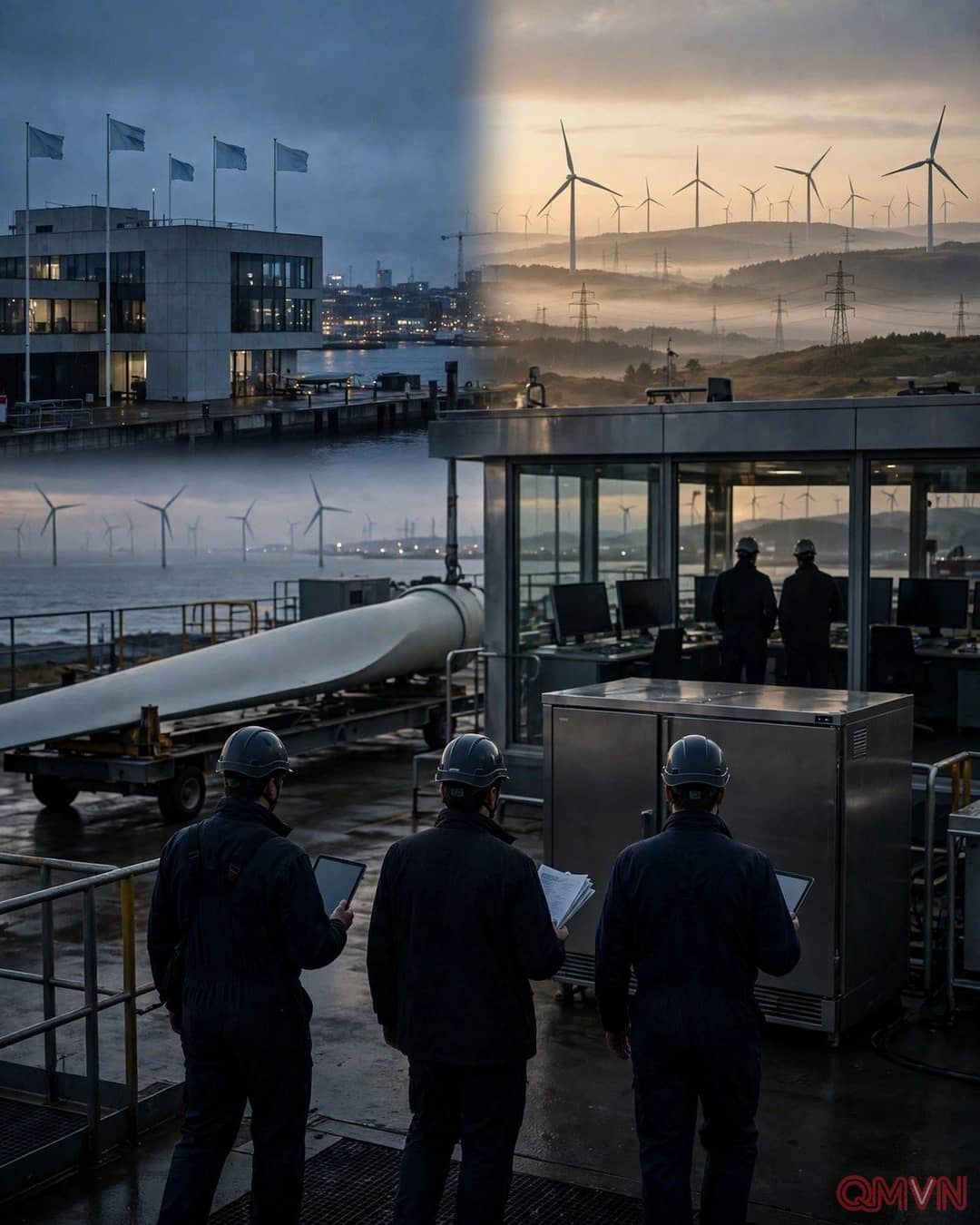
A modern turbine is more than a tower and rotor. Sensors track wind conditions, controllers adjust performance, and digital systems transmit information to maintenance teams. Software changes can improve output and detect faults, but the same connections can become vulnerabilities if access is inadequately protected. The question for grid operators is not simply who delivered a machine, but who can alter its behaviour after installation.
Andersen told Reuters that critical components containing software deserve a particularly strict response, because wind installations can remain in service for 30 to 50 years. That lifetime creates a moving target: cybersecurity threats, ownership structures and geopolitical relationships may change many times before a turbine is decommissioned. Procurement decisions made today can therefore shape tomorrow’s operational autonomy.
The Vestas chief distinguished control technology from ordinary components. He argued that roughly half of Europe's wind assets should be made in Europe, while the rules governing software and control systems should be evaluated separately. That distinction matters: a blanket domestic-content preference addresses industrial capacity, whereas restrictions on privileged access to operating systems address a different, technical security concern.