MAIN CONTENT
A clinical milestone, not a sales authorization
The significance of Neuralink’s announcement lies in the transition from early feasibility work toward a study capable of supporting a regulatory submission. The company described LINK as the first pivotal US trial of an implantable BCI. Permission to conduct that study is not permission to market the implant. Its results will need to demonstrate that the proposed use offers meaningful benefits and an acceptable safety profile.
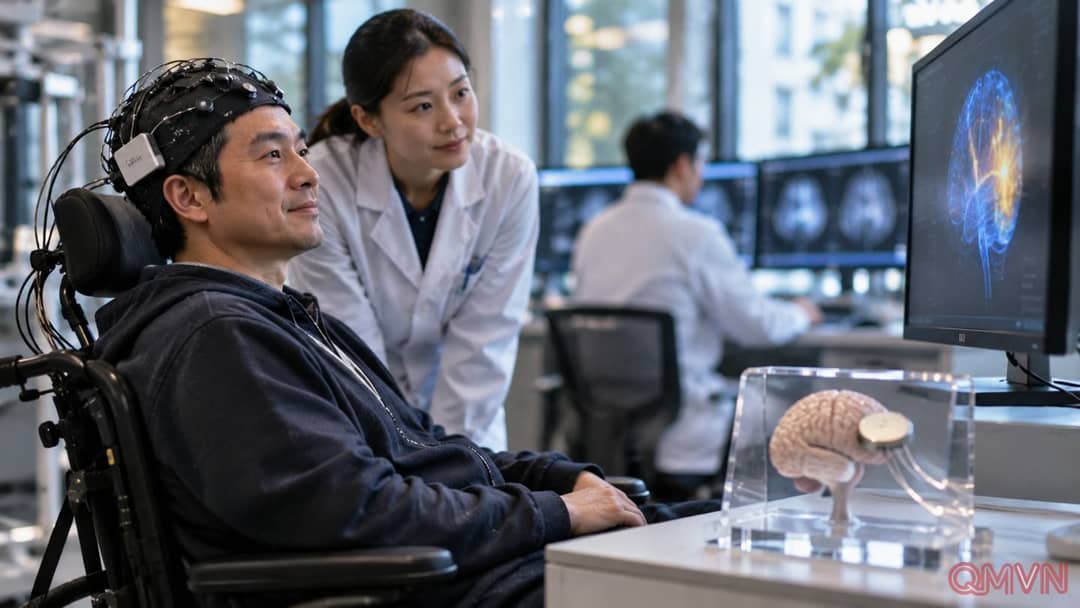
ALS progressively damages the nerve cells responsible for voluntary movement. Some people eventually lose the ability to speak or operate conventional computers even when they remain able to understand and formulate messages. A BCI can potentially translate selected patterns of neural activity into commands for digital devices. It does not cure ALS or necessarily restore movement, and it cannot simply read every private thought. The clinical goal is narrower and potentially transformative: giving a person another way to interact with the world.
Investigators must consider more than whether a cursor moves during a demonstration. Reliability at home, the time required to learn the system, complications from implantation and sustained access to technical support all affect its usefulness. A device that performs impressively in a laboratory may still require substantial refinement before routine medical adoption.