MAIN CONTENT
From the Manila announcement to implementation
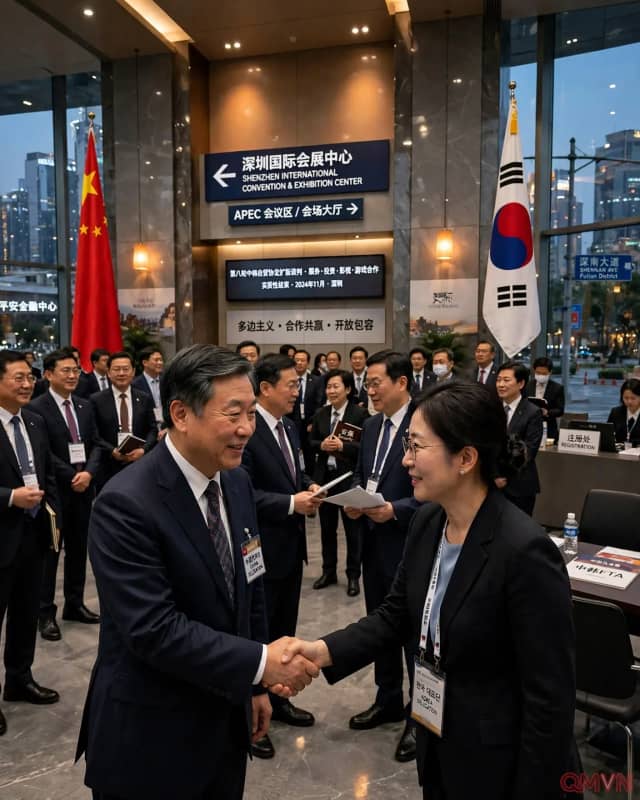
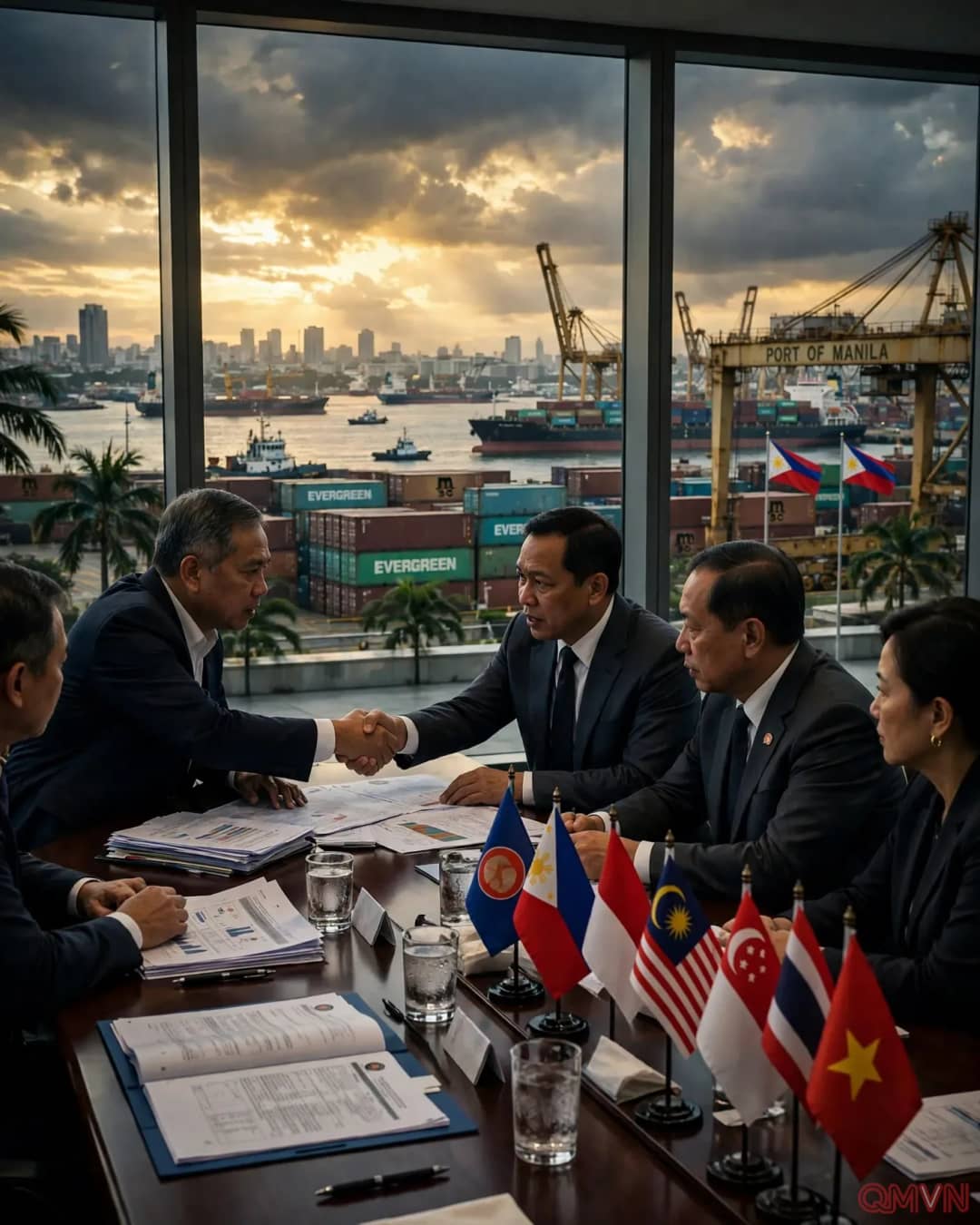
On November 16, Xinhua reported that the China–ASEAN Free Trade Area 3.0 Upgrade Protocol would enter into force on December 1, 2026. The announcement came during high-level meetings in Manila attended by Chinese Premier Li Qiang. It marked a shift from the ceremonial signing of an agreement toward the practical implementation of a framework intended to shape the region's next phase of economic integration.
Article 6 of the signed protocol sets a precise threshold: its initial entry into force follows 60 days after China and at least five ASEAN member states have notified the ASEAN secretary-general that their internal procedures are complete. For any remaining party, the protocol takes effect 60 days after its own notification. Companies therefore need to check the applicable status in each jurisdiction, rather than assume every rule changes simultaneously on December 1.
A pact extending beyond the movement of goods
According to the ASEAN Secretariat, ACFTA 3.0 adds cooperation on the digital economy, green development, supply chains, competition and consumer protection. These subjects reflect the changing nature of commerce.
A product may be designed in one economy, assembled in another, sold online across borders and delivered through several logistics hubs before it reaches a buyer.
For smaller enterprises, the value of the upgrade will be tested by practical questions: Can they find trustworthy information, navigate procedures more easily, reach new partners and satisfy emerging standards? Cooperation chapters do not automatically eliminate every trade barrier or establish a new tariff preference for every product. Results will depend on domestic guidance, administrative capacity and the willingness of firms to adapt.
Growth opportunities meet the resilience test
ASEAN and China already sustain extensive networks of commerce and investment. At the Manila summit, Reuters reported, Li Qiang highlighted annual two-way trade exceeding $1 trillion and cumulative investment above $500 billion. The figures, cited by the Chinese premier, illustrate why both sides want greater predictability at a time when international trade policies and supply chains face disruption.
For manufacturing economies including Vietnam, possible gains include stronger links between inputs, factories, logistics providers and consumers. But reliance on a single supplier or export destination creates vulnerabilities when disruptions occur. Durable benefits would therefore mean not simply selling more, but diversifying partners, upgrading product quality, investing in digital capabilities and developing stronger data governance.
Economic cooperation amid strategic disagreements
The Manila meetings unfolded against competition between Washington and Beijing and continuing security tensions in the South China Sea. ASEAN members also maintain significant relationships with the United States, Japan, the European Union and other partners. ACFTA 3.0 is best understood as an effort to strengthen an economic relationship, not evidence that governments in the region share identical positions on political and security questions.
Reuters reported that the summit ended without agreement on a South China Sea code of conduct. The contrast is instructive: trade cooperation can advance even while maritime disagreements remain unresolved. To build lasting confidence, the pact will need clear procedures, fair competition and credible ways to address disputes. Regional prosperity is more resilient when the benefits are shared and differences are handled through dialogue rather than ignored.