MAIN CONTENT
A corporate scandal becomes a Washington policy question
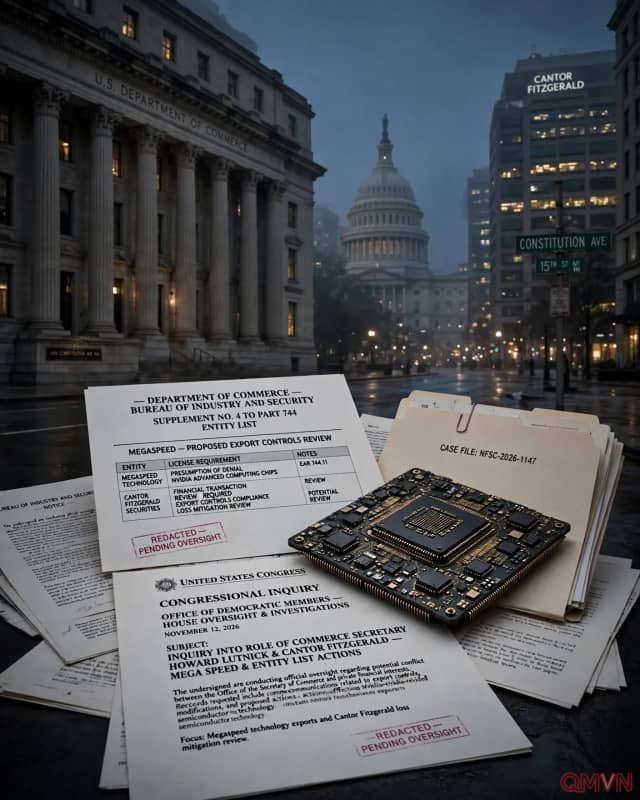
Huang’s resignation from Nvidia on November 12 brought a private controversy into a highly public institutional setting. Reports of an extramarital relationship with Alice Huang, previously associated with Nvidia customer Megaspeed, prompted questions about the possibility of sensitive commercial or government information being exposed. The existence of a relationship does not establish espionage. Reuters has said it could not independently verify whether Alice Huang worked for the Chinese government, while Beijing has rejected the accusations.
For lawmakers, the key issue is not simply personal conduct. Nvidia’s processors are central to the development of advanced artificial intelligence, and access to them has become a pivotal point of U.S.–China competition. Investigators want to know whether export restrictions, security warnings and business dealings were handled on their merits. Nvidia’s board has commissioned an independent review, adding a corporate-governance dimension to the questions now being asked in Congress.
Oversight pressure crosses party lines
Representative Stephen Lynch, a Democrat, has said congressional investigators want answers about the treatment of companies suspected of circumventing chip restrictions and Huang’s access to the White House. He raised questions about Nvidia’s reported $25 million commitment to a White House ballroom project. Such a contribution can warrant transparency and scrutiny, but the reporting does not establish a corrupt exchange of favors.