MAIN ARTICLE
A small town that safeguards an obscured past
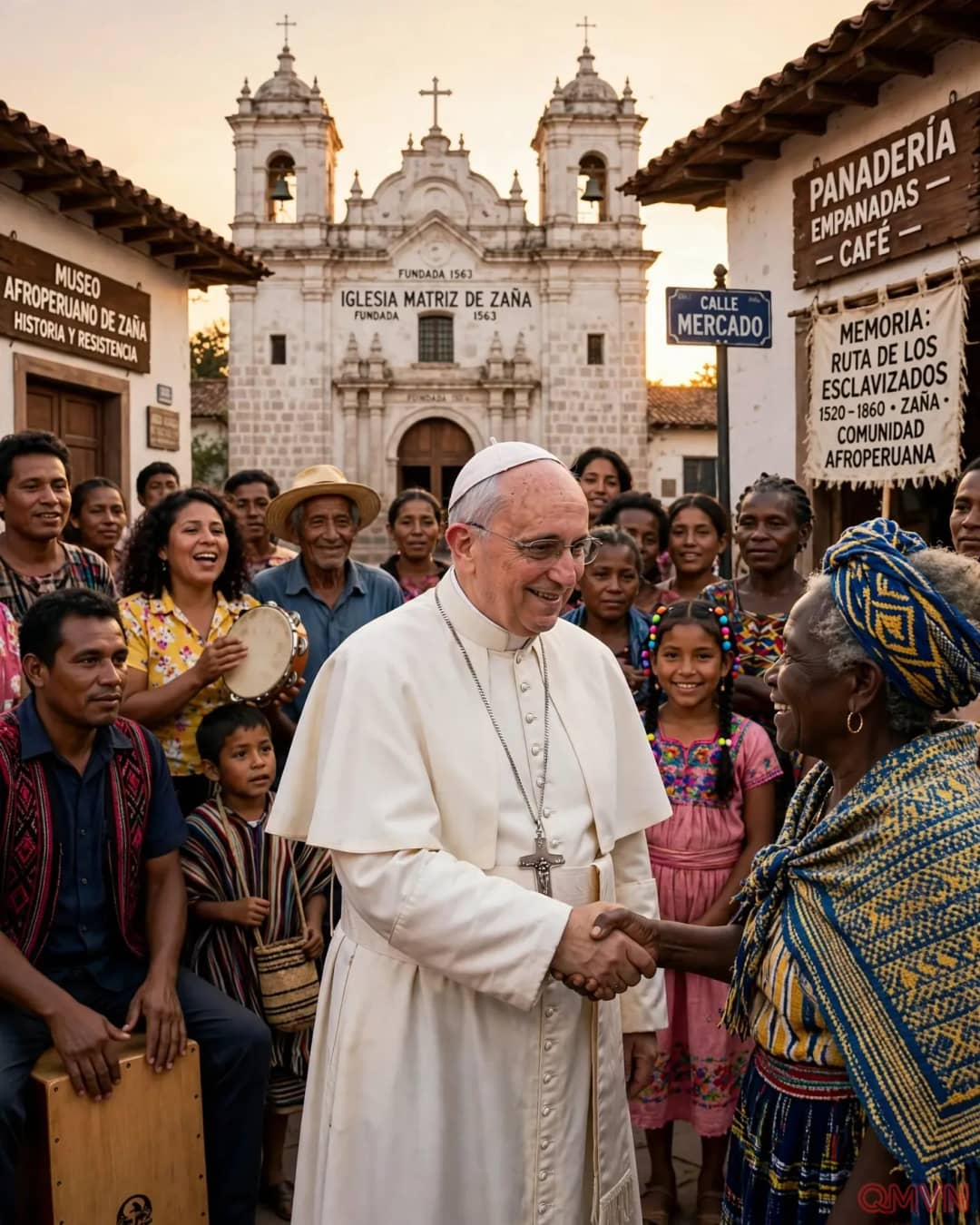
Zaña lies in Peru’s northern Lambayeque region, where old buildings, music and family memories preserve a history often pushed to the edges of national narratives. During Spanish colonial rule, enslaved Africans were brought to Peru to work on sugar plantations, in mines and in cities. Their descendants profoundly shaped the country’s musical traditions, cooking and cultural vocabulary, even as their place in society remained unequal.
In 2017 UNESCO recognized Zaña as a site of memory of slavery and African cultural heritage under its Slave Route initiative. Peru’s Ministry of Culture described it as a first such recognition for an Afro-descendant community in Peru and along the Pacific coast of South America. The town’s Afro-Peruvian museum preserves historical images, carts, musical instruments and objects associated with the lives of enslaved people.
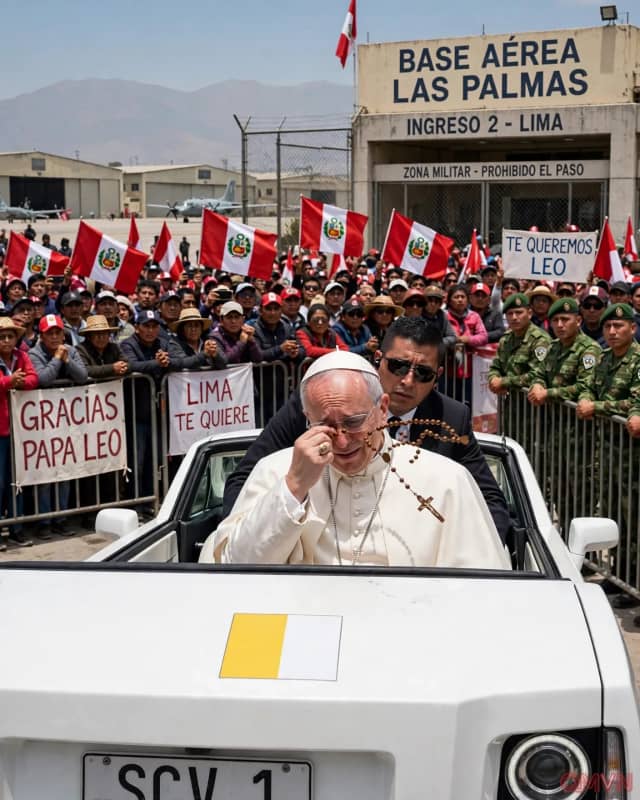
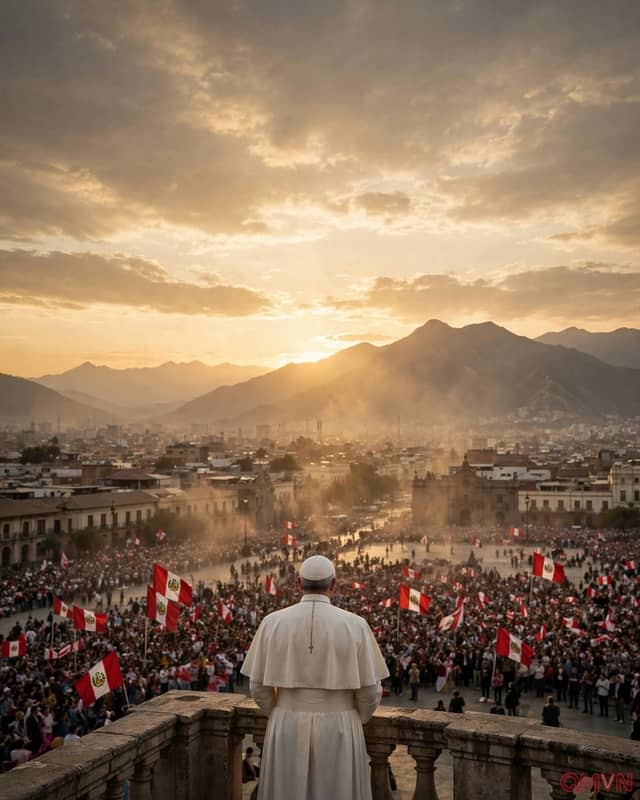
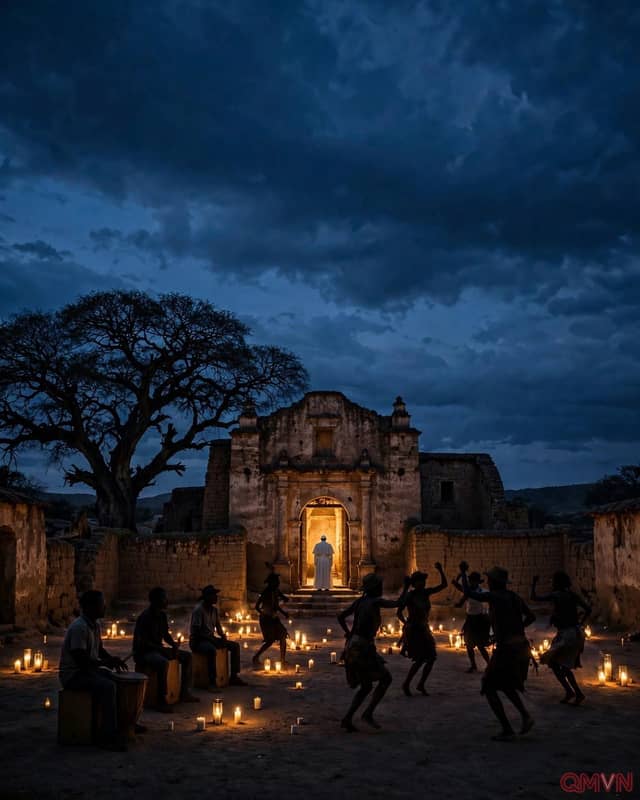
These objects tell more than a story of suffering. They reveal the endurance of people who carried memories across generations through drumming, festivities and the improvised poetic form known as décimas. A papal visit offers a place that is modest in size an unusually large audience, asking the world to hear a history too often left at the margins.