MAIN CONTENT
A farewell that sounded more like a promise
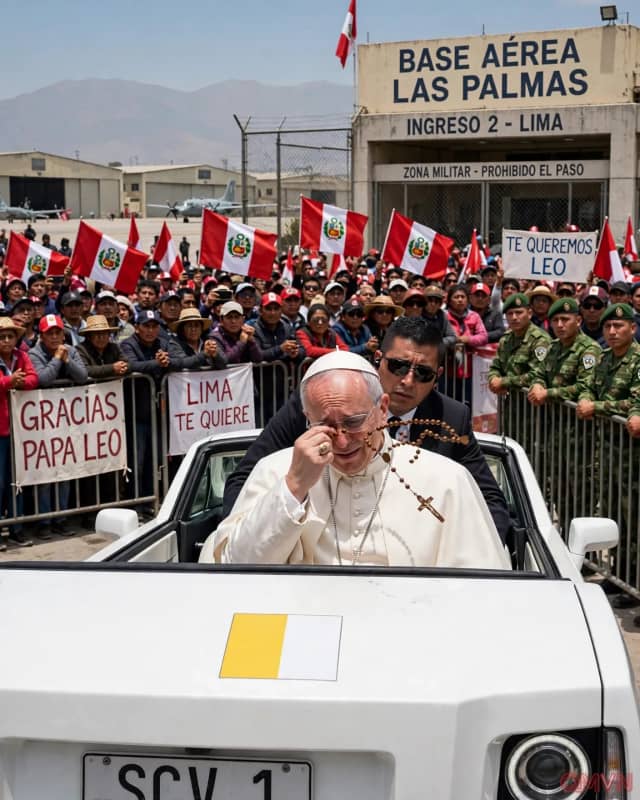
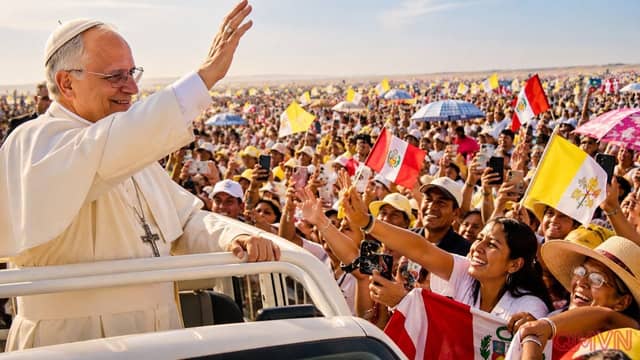
Outside the Vatican residence in Lima, Leo thanked Peruvians for accompanying him and chose the warm Spanish farewell “hasta luego.” It was a small phrase with unusually personal weight. He had described Peru as a homeland on arrival; on departure, he avoided words that would suggest a permanent separation. The gesture resonated with a country where many Catholics remember him not first as pope, but as Father Roberto, a priest who worked among them.
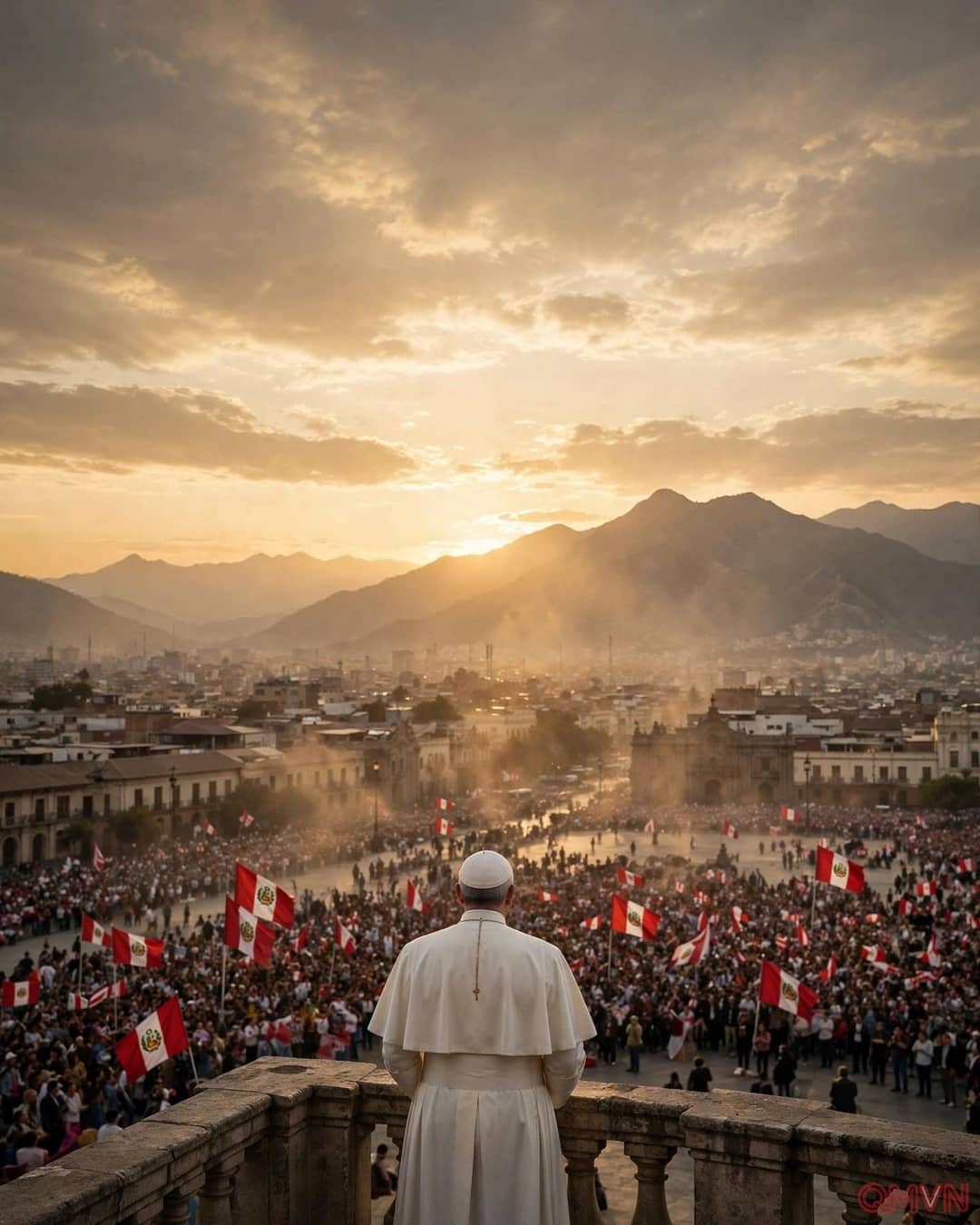
His final morning included the elderly care home in Callao, whose residents had received food and supplies from him during the pandemic. Callao Mayor César Pérez told Associated Press that Leo once traveled for hours from Chiclayo to help the home while avoiding direct contact that might endanger residents. Later, the papal schedule called for Mass at Las Palmas Air Base and a farewell ceremony before the flight to Rome. Organizers had anticipated a crowd potentially reaching one million, a projection rather than a verified attendance figure.
From Pacific coast to high Andes and Amazon
The journey through Peru was designed as more than a sequence of appearances in large cities. In Chiclayo, where he previously served as bishop, Leo reunited with a community that shaped his pastoral identity.
He also visited Santa Cruz de Succhabamba and the sanctuary at Zaña, crossing the distances that distinguish the country's coastal towns from smaller inland settlements.
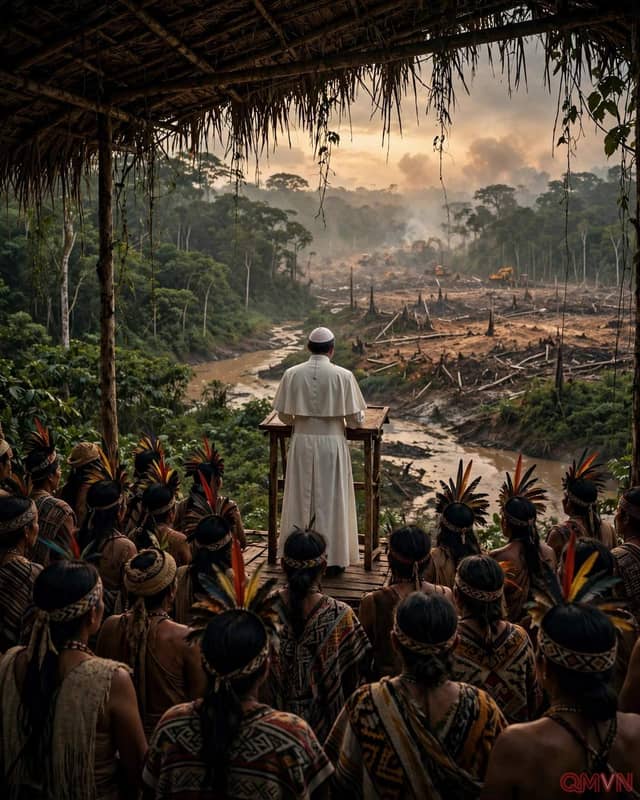
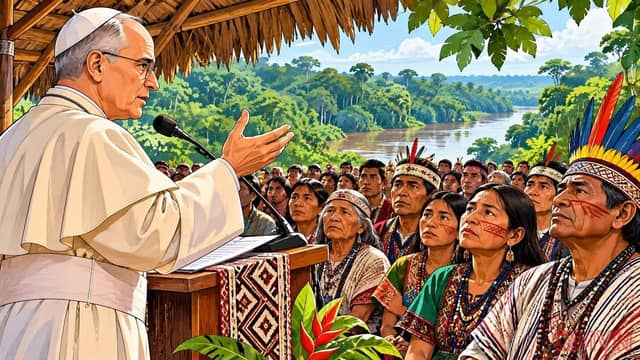
On November 15, the itinerary took him from Chiclayo to Cusco, about 3,400 metres above sea level, and onward to Pucallpa in the Amazon before returning to Lima. Sharp changes in altitude, temperature and humidity made the day's pace unusually demanding. In the Amazon, meetings with missionaries and Indigenous representatives placed communities frequently excluded from national conversations at the centre of the papal visit. The geographic reach itself carried a message about visibility and belonging.
A missionary model that shaped a pontificate
An important thread running through the trip was St. Turibius of Mogrovejo, the first archbishop of Lima. Revered for traveling across his enormous diocese and learning Indigenous languages, the sixteenth-century church leader also denounced abuses against Indigenous and enslaved people under Spanish colonial rule. His legacy offers Leo both a religious model and a reminder that faith cannot be separated from the dignity of those on society's margins.
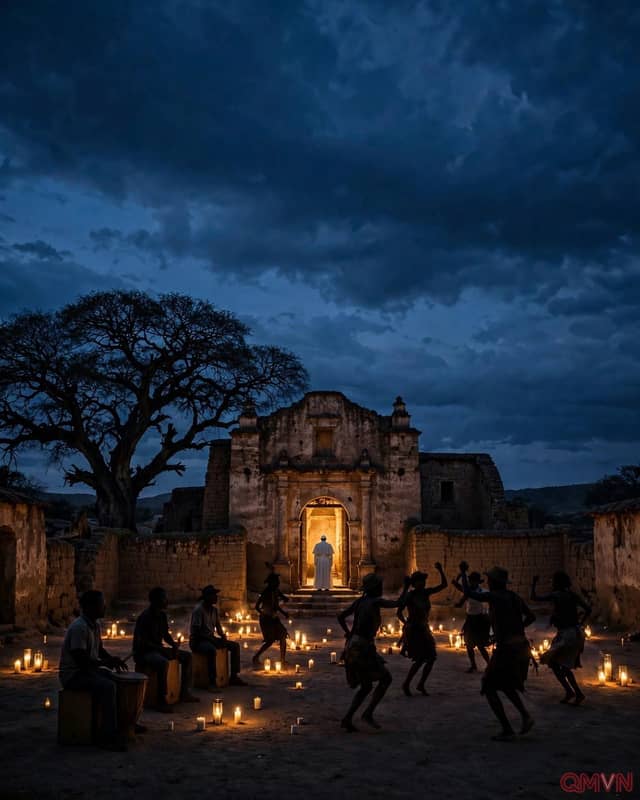
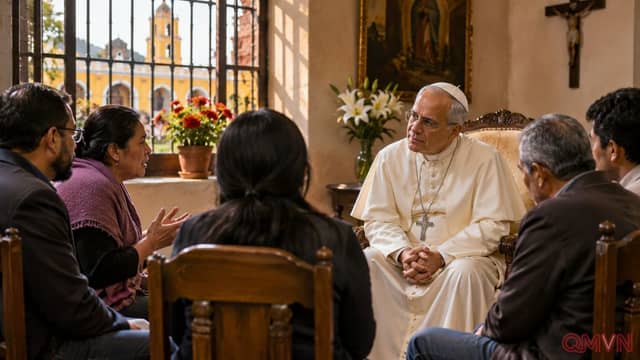
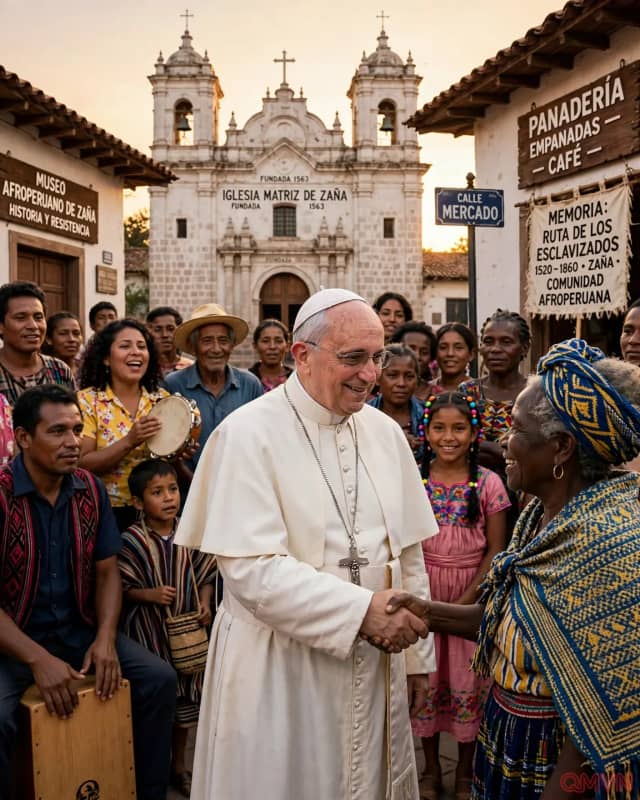
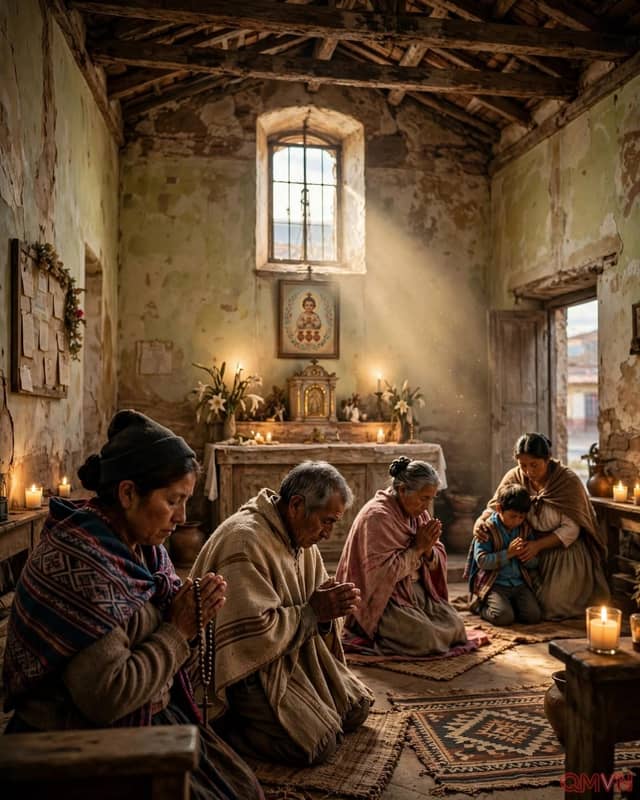
At the sanctuary in Zaña, Leo revisited a site where he had prayed before his own ordination as bishop. Local priest David Farfan described it to Associated Press as a place of profound spiritual importance to Robert Prevost, the pope's birth name. Such gestures helped explain why a visit formally organized around liturgy and diplomacy also felt like a return to the practical foundations of his vocation: listening, learning and remaining close to ordinary people.
Physical endurance and the deeper test ahead
The 12-day tour began in Uruguay on November 6, continued through Argentina and ended in Peru. It followed lung cancer surgery in Rome on October 13, raising questions about whether Leo could maintain such an ambitious timetable. His decision to proceed, and the completion of successive high-altitude and tropical stops, offered a visible response to those concerns. Still, one successful trip cannot by itself resolve longer-term questions about health and the pace of future travel.
The more consequential test may be how the themes of the visit influence the wider Catholic Church. In Peru, Leo highlighted older people, Indigenous communities and regions remote from established centres of authority. Critics of global institutions often ask whether symbolic gestures lead to sustained material change; supporters regard such visibility as an essential beginning. The enduring value of this pilgrimage will depend on whether the attention generated by the papal presence translates into continued care and institutional commitment.