Agreement in principle
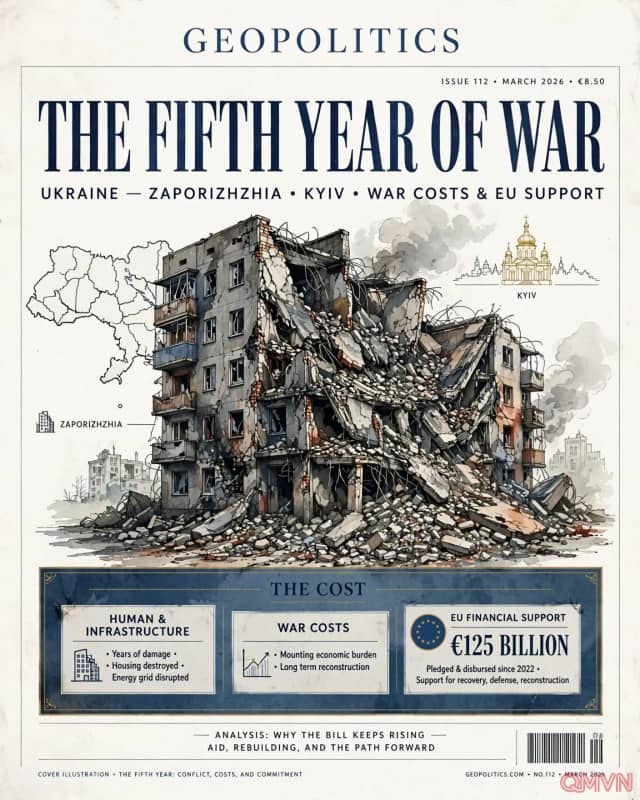
According to one member state’s notes, ambassadors showed “broad recognition” of the need for an agreement on financing Ukraine, and no country outright opposed the 100 billion euros. Estonia even argued that the figure was an absolute minimum.
The question of interest
The latest draft budget says the borrowing cost subsidy, the interest the EU pays on loans to Ukraine, would be provided “in addition” to the budget ceilings. But many points remain unclear:
- Italy and Bulgaria questioned whether the interest would really be paid separately from the 100 billion euros.
- According to a European Commission analysis, about 55.4 billion euros will be needed to cover interest on existing loans in the next budget cycle.
- Austria rejected creating a bespoke special instrument to pay for it, even as it backed “robust, multi-year” support for Ukraine.
The answer, which can only be decided unanimously by member states, will determine whether more than half of the proposed amount is immediately consumed by servicing debt.
The countries staying out
Hungary, Czechia and Slovakia opted out of the 90 billion-euro loan to Ukraine finalized in April, and EU diplomats expect Bulgaria could join that group for the new 45 billion-euro proposal. Publicly, only Slovak Prime Minister Robert Fico has spoken out against it.
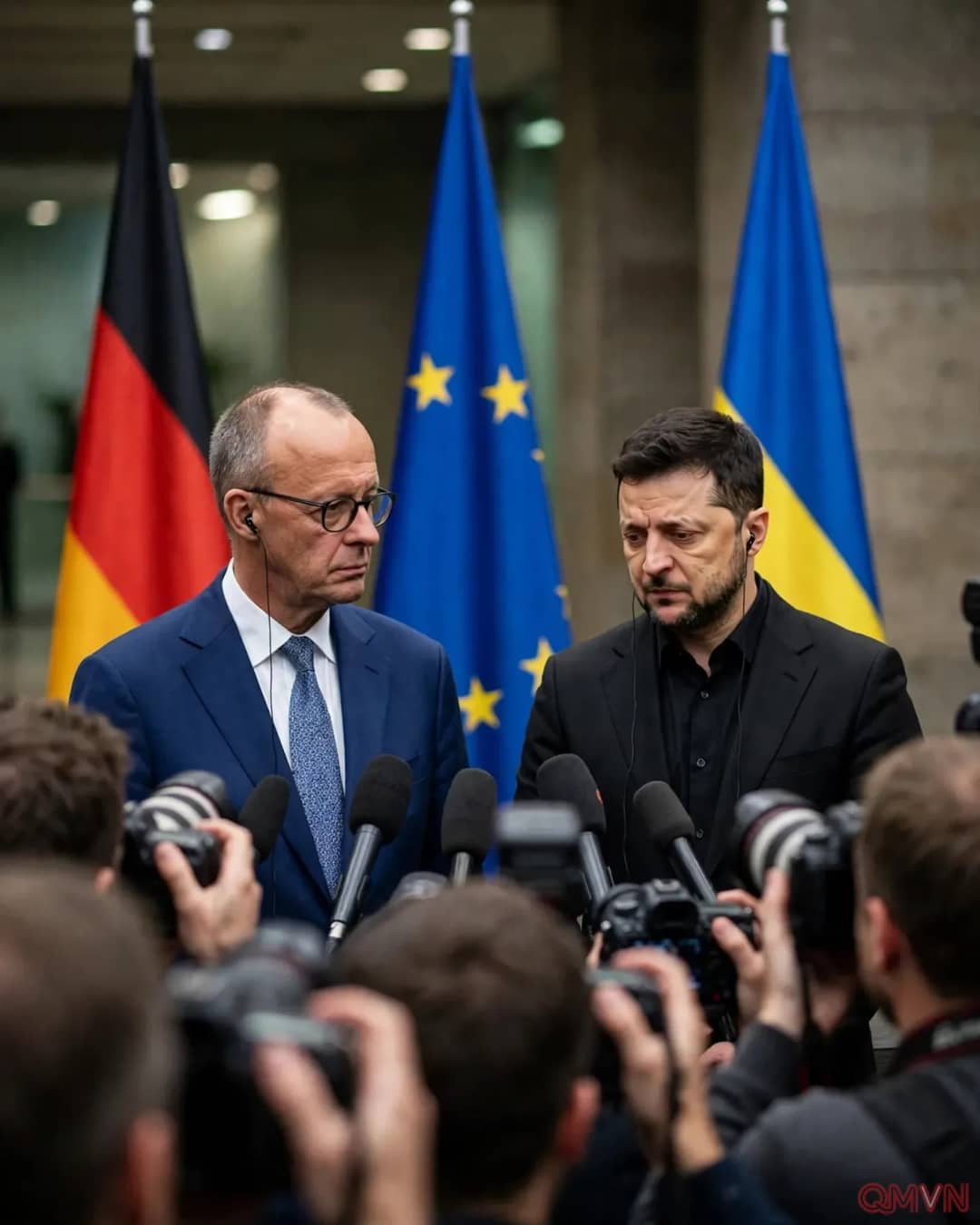
Some countries, such as Hungary and Czechia, and possibly Greece and Slovenia, want to keep Ukraine support separate from the general budget talks, while German Chancellor Friedrich Merz and Sweden want the two issues to move together.
A race against the election calendar
Member states still aim for a deal by the end of 2026, to avoid the budget and Ukraine support becoming hostage to election campaigns in 2027. However, France warned that political pressure is mounting in Paris not to agree to any deal before the April presidential election. If talks drag into January, a deal before the election will no longer be possible for France.