MAIN CONTENT
Winter resilience is a strategic question
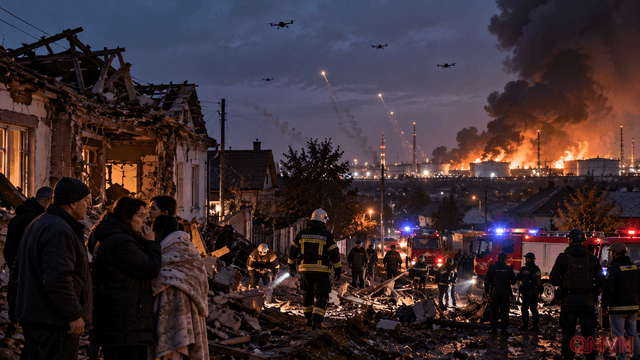
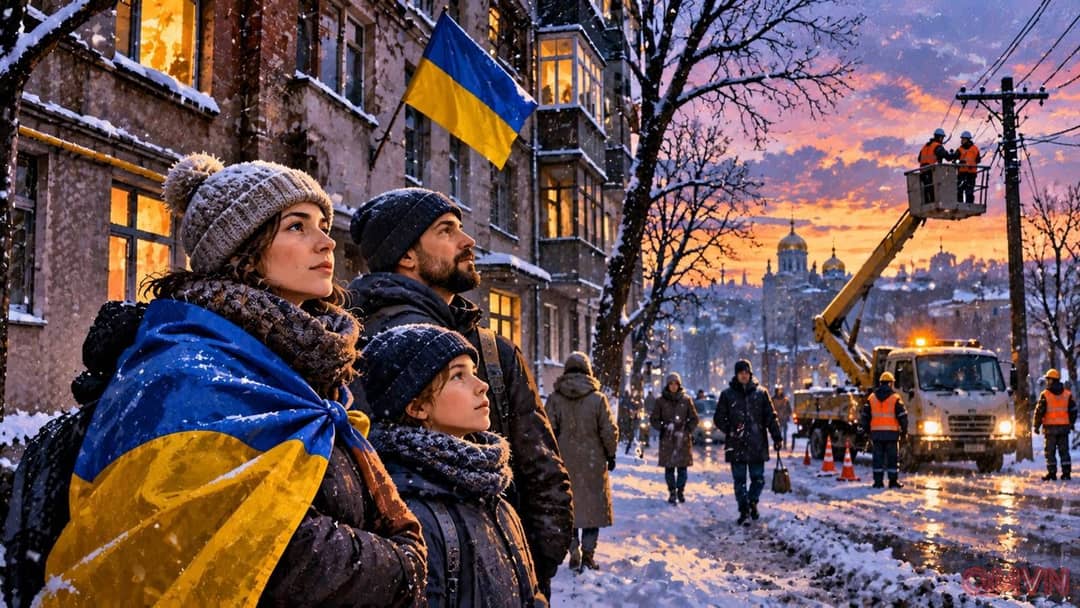
The most immediate test is not a diplomatic conference but the ability of ordinary households and essential services to function through freezing temperatures. Rinkēvičs identified the combination of severe weather and attacks on infrastructure as a major challenge. A country that can keep hospitals, water supplies and heating operating has a stronger foundation for economic activity, public administration and national defense. Conversely, repeated interruptions can magnify hardship even far from the front.
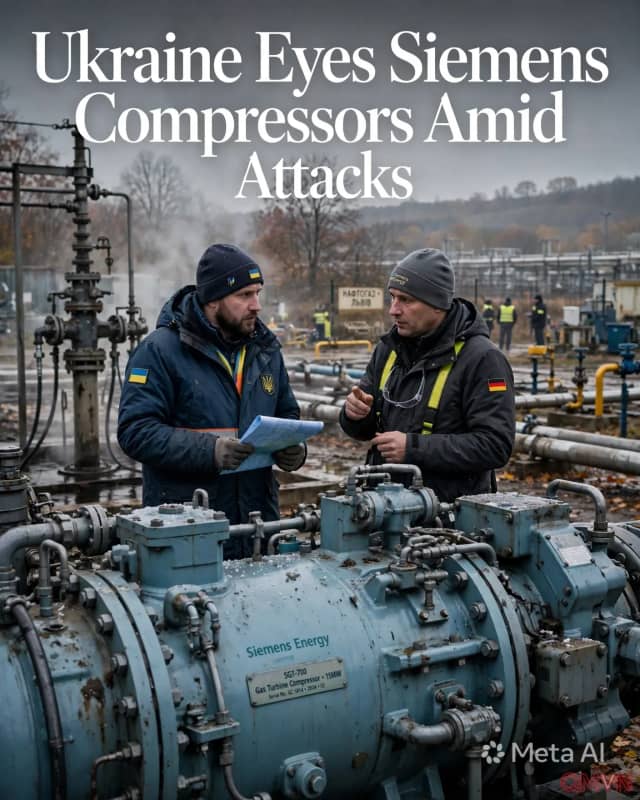
The International Energy Agency's November 2026 assessment notes that Ukraine has diversified electricity supply, increased distributed generation and strengthened storage and reserves. Imports also helped address shortages during the preceding winter. Yet the agency warns that these improvements may not fully offset the evolving threat to energy infrastructure. Its recommendations include backup electricity for critical services and better coordination of local winter plans. Such investments have humanitarian value independent of any military outcome.
A forecast built on conditions, not certainty
In the interview published by Reuters on November 24, Rinkēvičs linked the possibility of a turning point to mounting economic difficulties in Russia and stronger external pressure. The crucial condition in his assessment was that Ukraine should retain the resources needed to defend itself and sustain its economy. He did not establish a precise threshold at which Moscow would lose the capacity or willingness to continue the war.