MAIN BODY
When speaking freely is a luxury
People experiencing abuse may not be free to make telephone calls, send messages or leave their homes. Controlling behavior can extend to communications, money and access to friends. Such restrictions may be less visible than physical injuries, yet they can substantially diminish a person's ability to seek assistance. Isolation makes it harder for outsiders to understand what is happening or offer meaningful support.
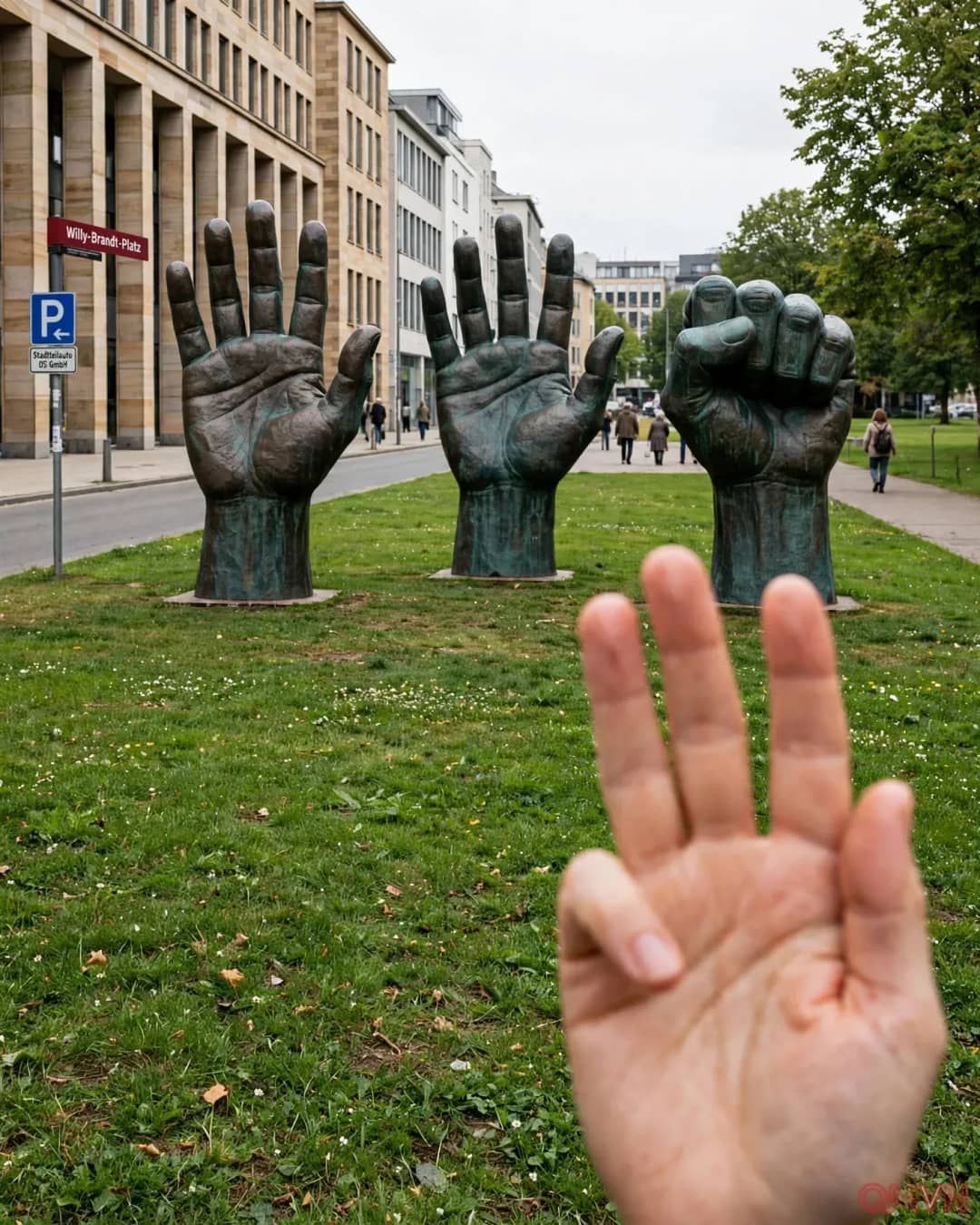
The Canadian Women’s Foundation introduced the Signal for Help in April 2020. A person raises an open palm facing outward, folds the thumb inward and closes the remaining four fingers over it. The gesture is not proof of a crime and does not necessarily request police intervention. Rather, it creates an opportunity for another person to check in safely and clarify the kind of support that is needed.
Responding without increasing danger
When someone displays the signal during a video call, a witness should avoid immediately discussing abuse in front of other participants. Reaching out later, when privacy is possible, can help establish whether the person is able to speak.
Even a well-intentioned message can create difficulties when a device or account is monitored by someone controlling the person's activities.
Short questions can reduce the burden of communication. Depending on the circumstances, a supporter might ask whether the person is safe, wants a later call or needs contact with specialist services. It is important to listen without blame, avoid demanding a detailed account and make only promises that can realistically be kept. Respect for the person's choices should guide the conversation.
Turning recognition into practical protection
In its November 25, 2026 report, taz described an incident in Lower Austria in which a passerby noticed a woman's signal in a parking lot. The newspaper also cited the case of a 14-year-old girl who received assistance at the central railway station in Trier, Germany. These examples demonstrate the potentially important role of people who are not directly involved in an abusive situation.
Where an assault appears imminent or someone is visibly being forced into a dangerous situation, contact local emergency services from a safe position. Do not personally confront a suspected aggressor. In Germany, the police emergency number is 110 and the general emergency medical and fire number is 112. In non-emergency circumstances, cooperation with the person seeking help and trained professionals may be more appropriate.
Building a wider safety network
Entertainment venues in Germany have also adopted discreet ways of requesting assistance. At participating establishments, the Luisa ist hier initiative enables customers to approach staff using an agreed phrase. Some football stadiums offer comparable arrangements. However, these phrases are not universal emergency codes, and visitors cannot assume every venue will recognize them.
Germany’s Hilfetelefon service provides free, anonymous, round-the-clock assistance to women experiencing violence through 116 016 within Germany (hilfetelefon.de). Relatives and other potential supporters can also seek advice. The hand gesture is most valuable when communities have reliable services and people know how to connect those facing danger with appropriate assistance. Recognition is a starting point, not a complete safety system.