Suspicious orders
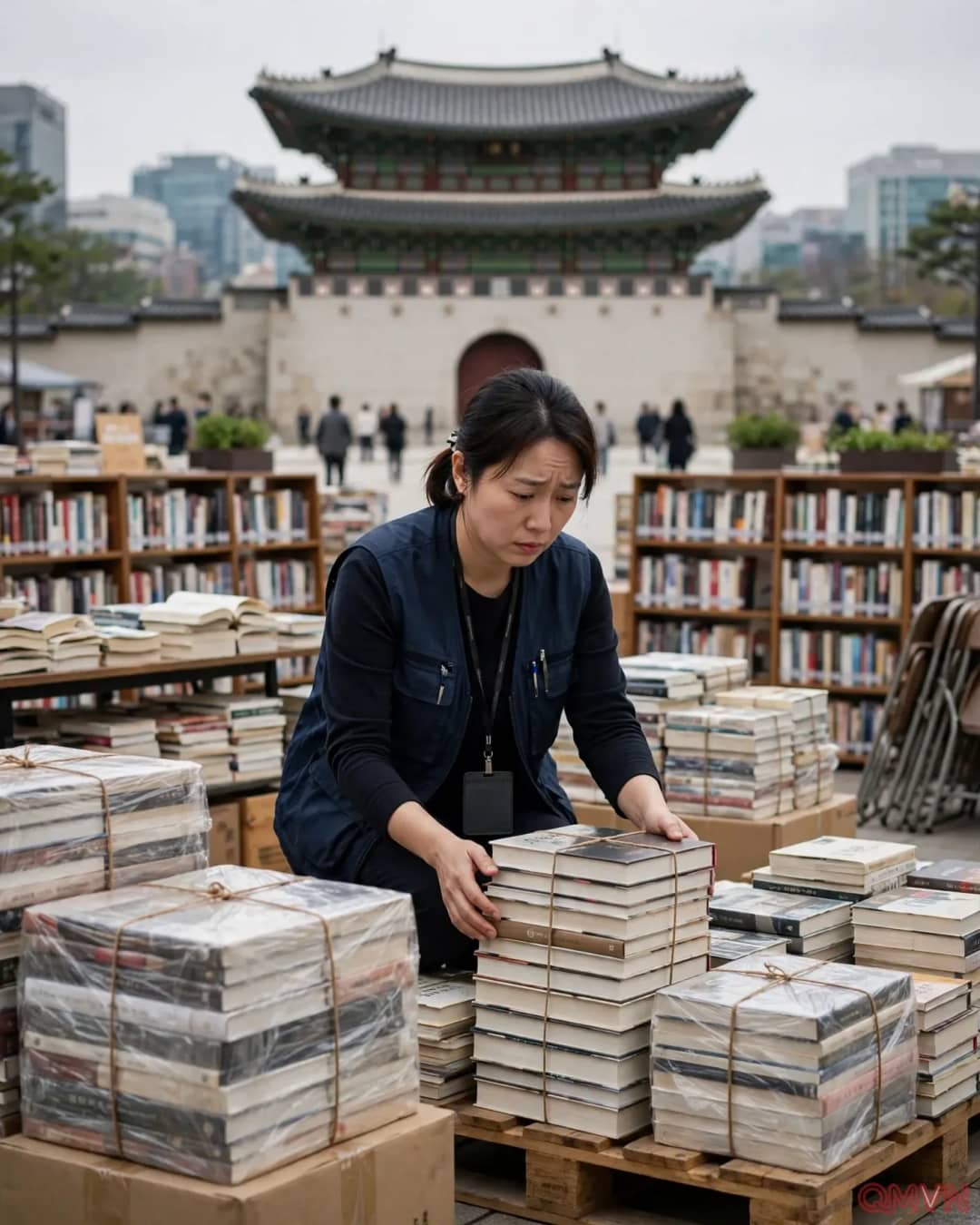
Kyobo Book Centre said on Wednesday that since early this year, 10 overseas companies had contacted it with remarkably similar requests: one copy each of around 100,000 different titles. Such orders make little sense for traditional booksellers, who typically buy multiple copies of popular titles, but fit the needs of companies seeking to digitise a wide range of books.
“Many introduced themselves as book wholesalers.” — Kyobo Book Centre representative
According to the representative, quoted by Yonhap News Agency, some of the buyers denied any AI training purpose but identified data-related companies as the final recipients of the books. Kyobo declined the requests. Yes24, another major bookstore, reportedly received an inquiry from a US distributor in late August about buying used books in bulk; after one meeting, the distributor stopped responding. In Japan, bulk purchases of second-hand books on philosophy, history and medicine have fuelled similar suspicions.
The publishing industry speaks out
Korean publishers and authors are now organising a collective response:
- The Korean Publishers Association has begun surveying bookstores, distributors, second-hand booksellers and publishers about potentially AI-related bulk orders, and plans to form a joint body to pursue compensation arrangements and legislation.