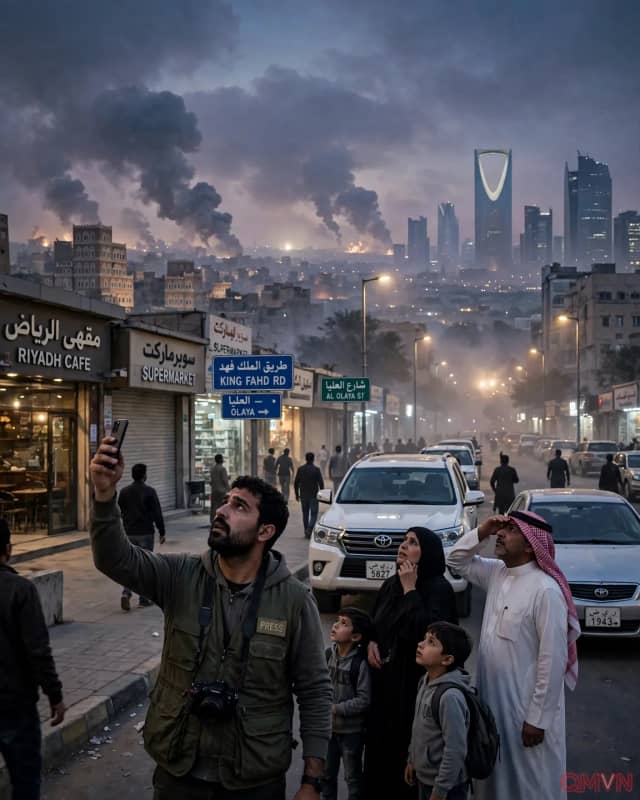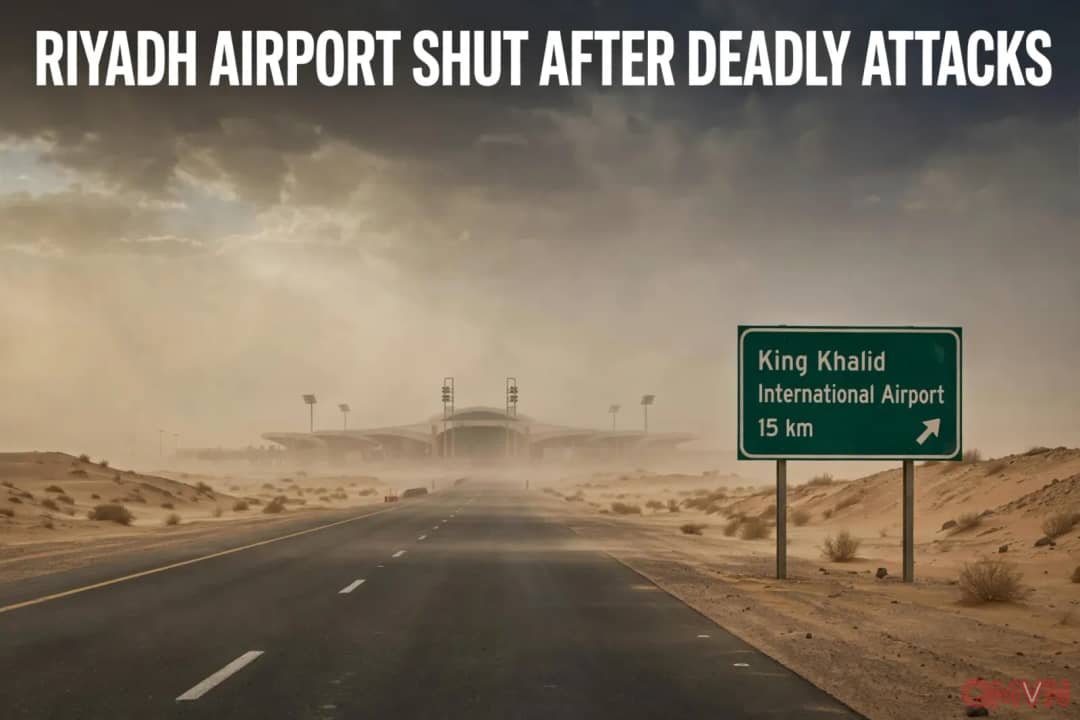
A capital cut off from the sky
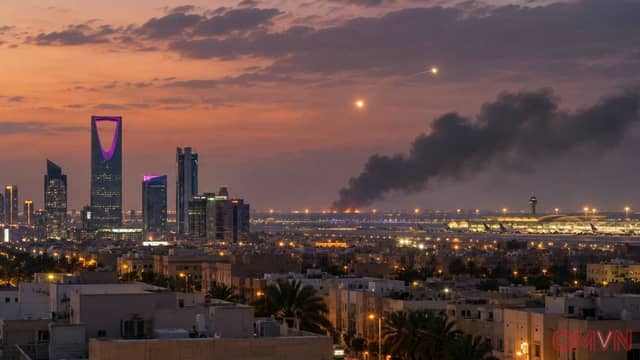
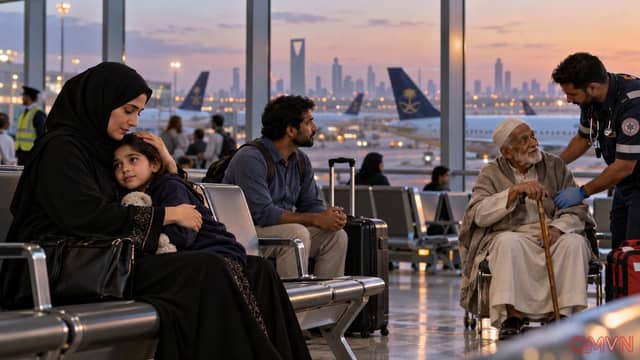
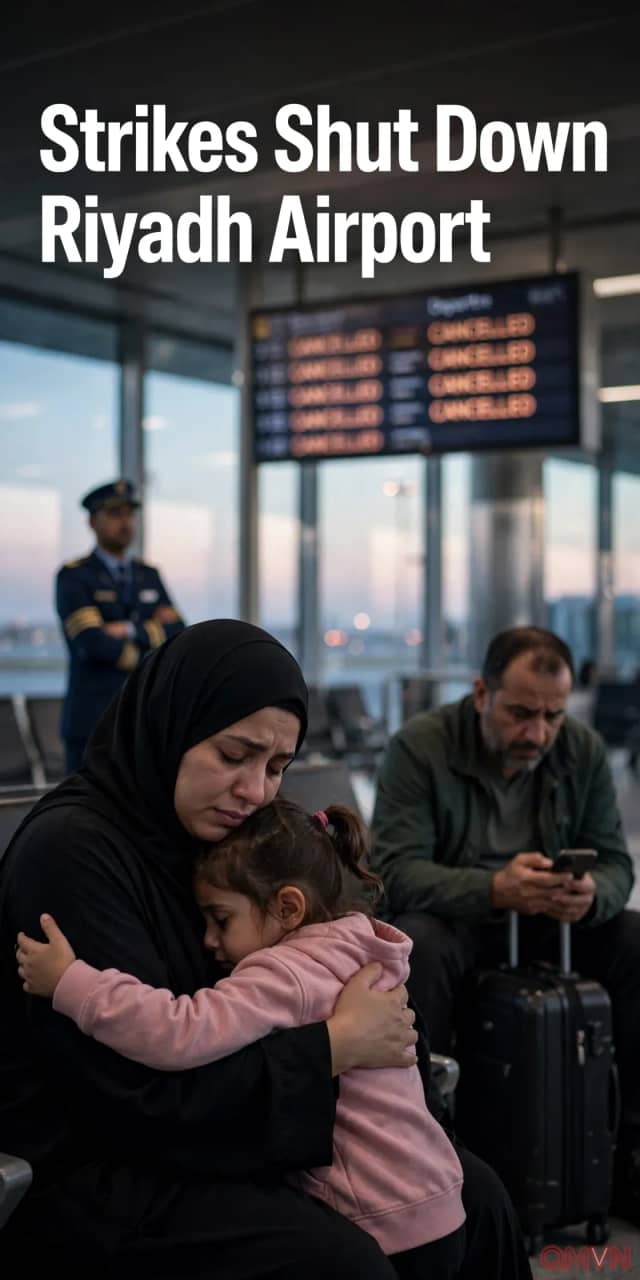
On the Flightradar24 tracking map on October 12, Riyadh looked like a hole in the sky: aircraft were still crossing Saudi airspace and landing at Jeddah on the Red Sea coast, but quietly steering around the capital. The Saudi civil aviation authority said operations were suspended to “allow for the completion of procedures to ensure the safety and operational readiness” of the airport. A Notice to Airmen showed King Khalid International closed until 2100 GMT on October 17.
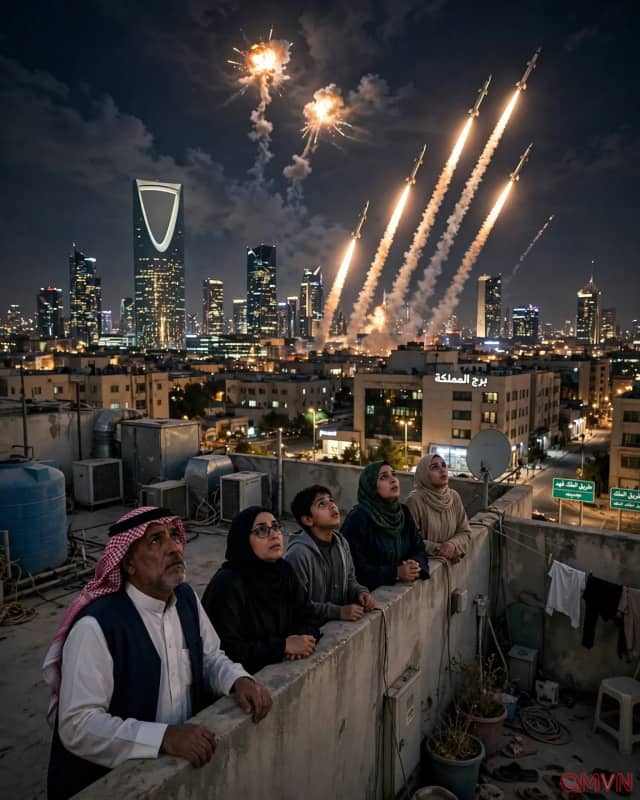
The pressure has not eased. Late on Monday, Riyadh said it had intercepted and destroyed a ballistic missile heading for the capital; shortly afterwards, the Houthis claimed to have targeted the airport with a ballistic missile and to have struck an airbase in Khamis Mushait, in the kingdom’s southwest, with a drone. There was no immediate Saudi confirmation. A day earlier, another attack on the airport had killed one person and injured nearly a dozen.
“This level of sustained intense attack on civil aviation is unprecedented.” — Mark Zee
Airlines redraw the map
Cancellations spread quickly from Europe to Asia. The US Federal Aviation Administration (FAA) told American carriers to “exercise caution” when flying to or over Saudi Arabia, and the EU Aviation Safety Agency (EASA) widened its airspace warning on October 9. Among the most notable decisions: