A Pill Carrying Hope
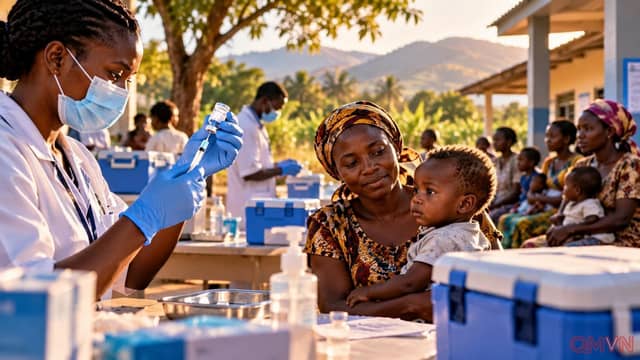
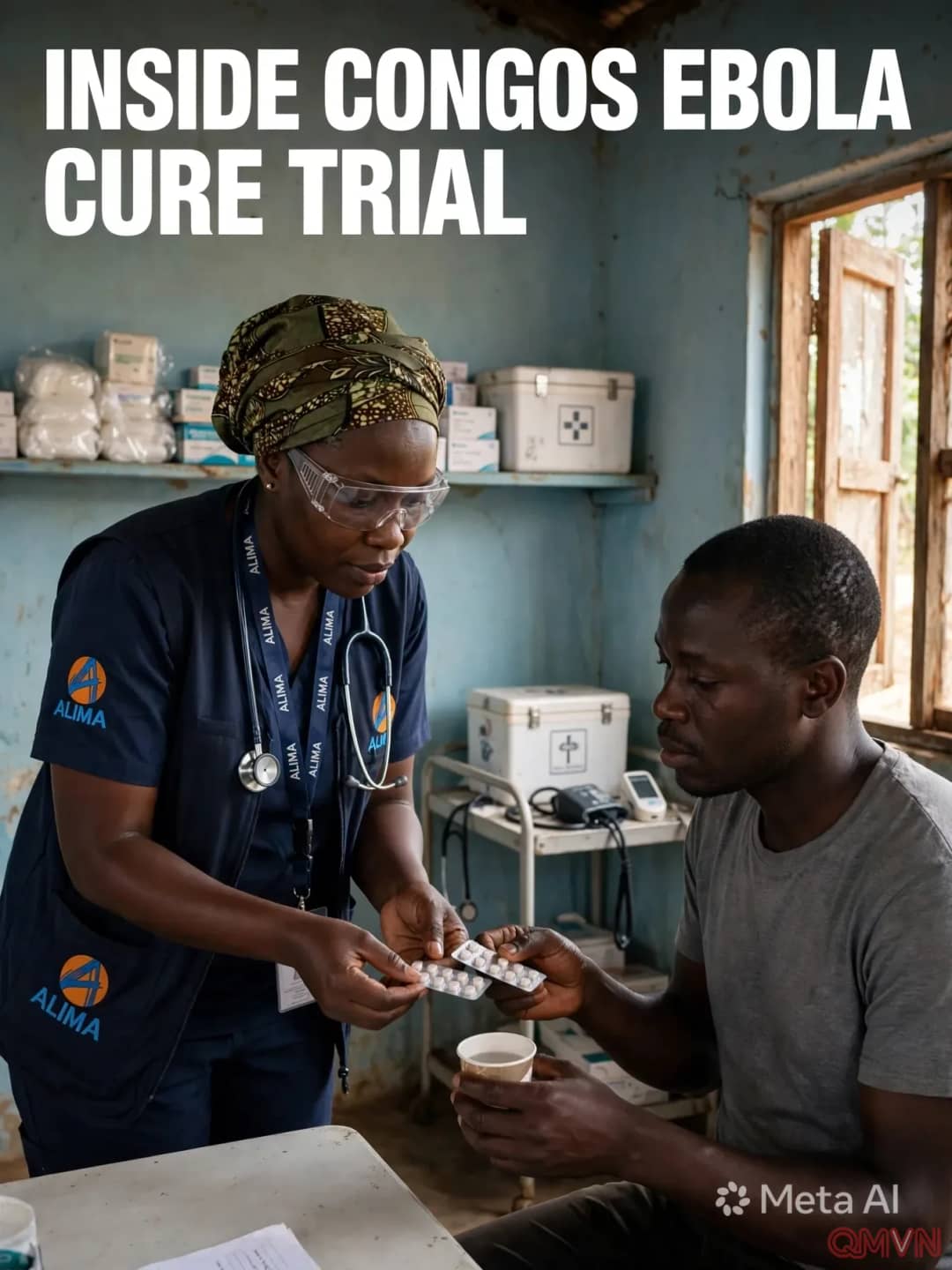
The trial began in July and is one of several studies launched to find a shield against Bundibugyo virus. Obeldesivir is given soon after suspected contact with the virus, an approach known as post-exposure prophylaxis, or PEP. The aim is to stop the virus from developing into disease, rather than waiting anxiously to see whether contacts fall ill.
A woman who joined the trial in August after her husband tested positive for Ebola told The Associated Press she had touched him, even his vomit, and realised she was a direct contact who could have been infected and could have passed the disease on. She knew of entire households that had become infected after one member fell ill. So far, no one in her family has developed symptoms.
Another participant said two of his relatives had caught Ebola and one of them had died. To him, the disease is a killer, so it is better to take precautions. The volunteers asked for anonymity to protect their privacy, given the sensitive nature of the outbreak.
How the Trial Works
ALIMA aims to recruit nearly 1,000 adults or children over the age of 12 who have had contact with a confirmed case within the last five days but have no symptoms. Half will receive a placebo.