MAIN ARTICLE
A scientific ambition becomes an industrial project
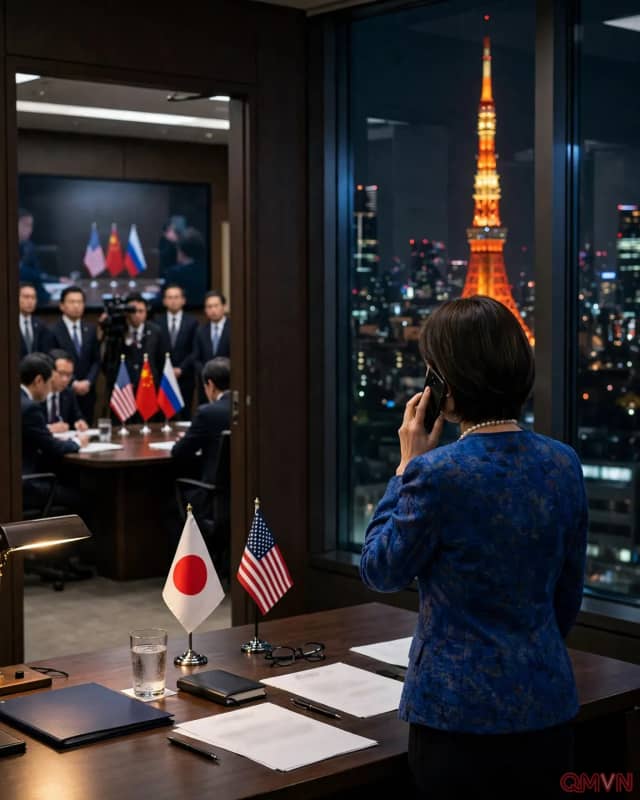
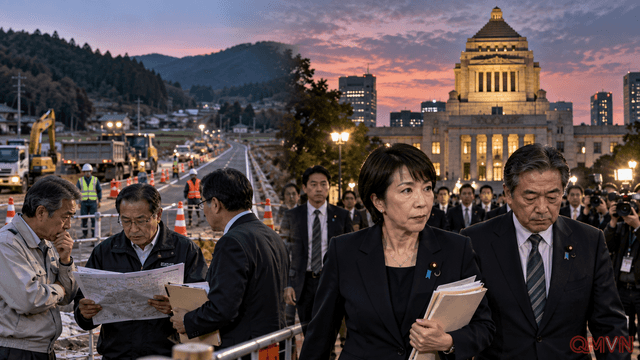
The visit to Japan by German Chancellor Friedrich Merz provided a diplomatic stage for an increasingly practical fusion story. With Japanese Prime Minister Sanae Takaichi also present, Munich-based Proxima Fusion announced two agreements designed to connect European reactor research with Japanese manufacturing expertise. The documents establish cooperation and feasibility studies, rather than a binding promise that a completed factory or a working reactor will appear on a fixed date.
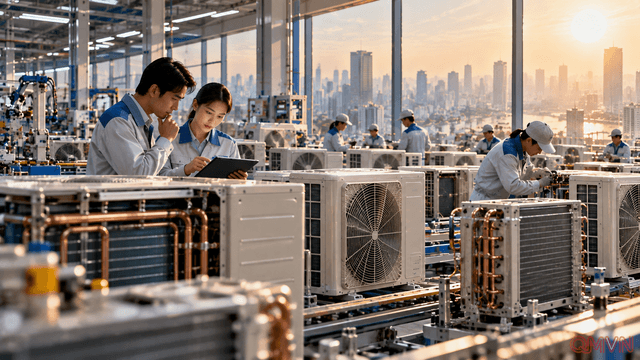
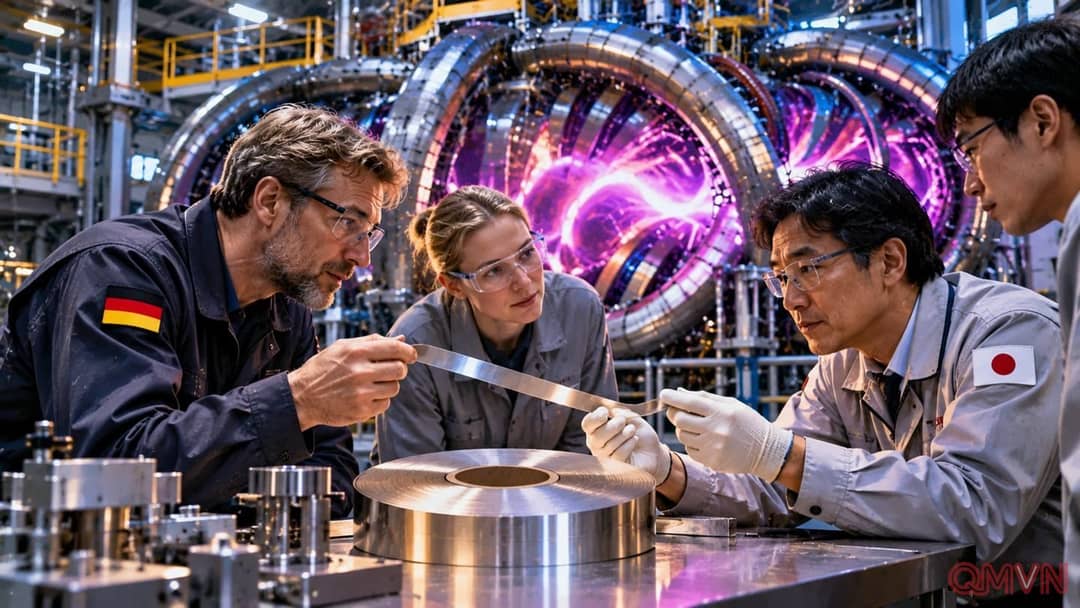
Proxima and Fujikura will examine production of HTS tape in Lower Saxony, Germany. According to the figures reported by CNBC, the proposed €140 million facility could aim for annual output of roughly 5,000 kilometres by 2030. Those are plans, not verified production capacity. Financing, site development, quality assurance and customer demand will determine whether an industrial line can achieve such volumes consistently. For fusion entrepreneurs, building a reliable factory may be as demanding as designing an advanced magnet.
Why a metallic ribbon matters to a stellarator
Fusion releases energy by combining light atomic nuclei into heavier ones. Achieving the reaction requires extraordinarily hot plasma, which cannot be allowed to touch the reactor wall.