MAIN CONTENT
Two faces of a tiny island
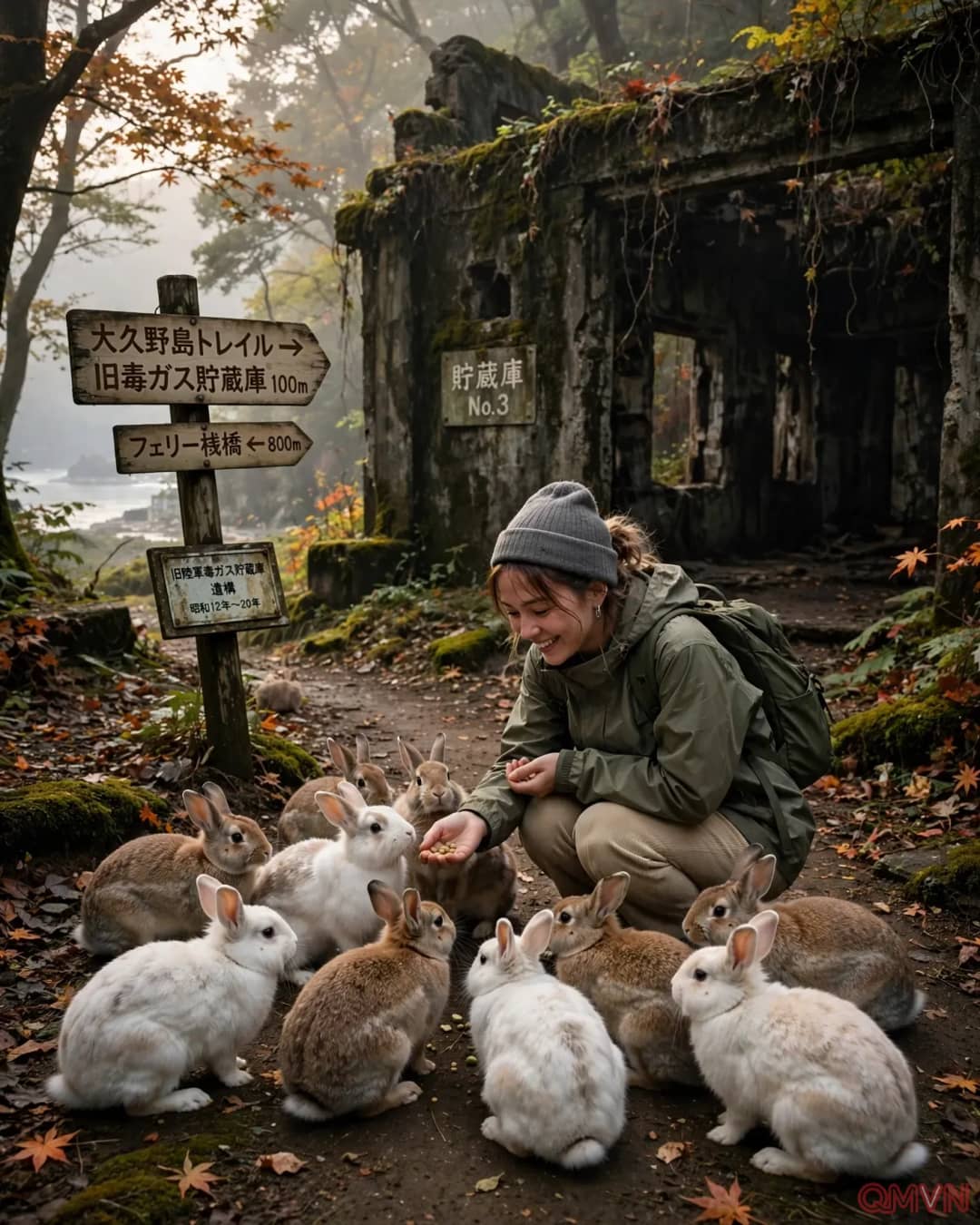
A short ferry journey from the Hiroshima coast brings travellers into a landscape of narrow paths, trees and Seto Inland Sea views. Rabbits frequently approach people, making encounters easy to photograph and share. Although Ōkunoshima has a perimeter of only about four kilometres, its reputation travels much further. Tourism figures cited in recent AFP reporting put visitor numbers at roughly 200,000 in 2025. For many travellers, feeding the animals and watching them hop across the paths is the highlight of the day.
Yet the rabbits’ apparent friendliness should not be mistaken for proof of ideal living conditions. They are free-ranging descendants of domesticated European rabbits, rather than a species native to this island ecosystem. Estimates of their population fluctuate and generally point to several hundred animals. Popular accounts connect their establishment to the release of a small group in the decades after the war, though details about precisely how the population began vary between retellings.
The military secret beneath the scenery
In 1929, the Imperial Japanese Army established a covert chemical weapons facility on Ōkunoshima. Its location helped keep operations out of public view.