MAIN ARTICLE
Airports become a new front line
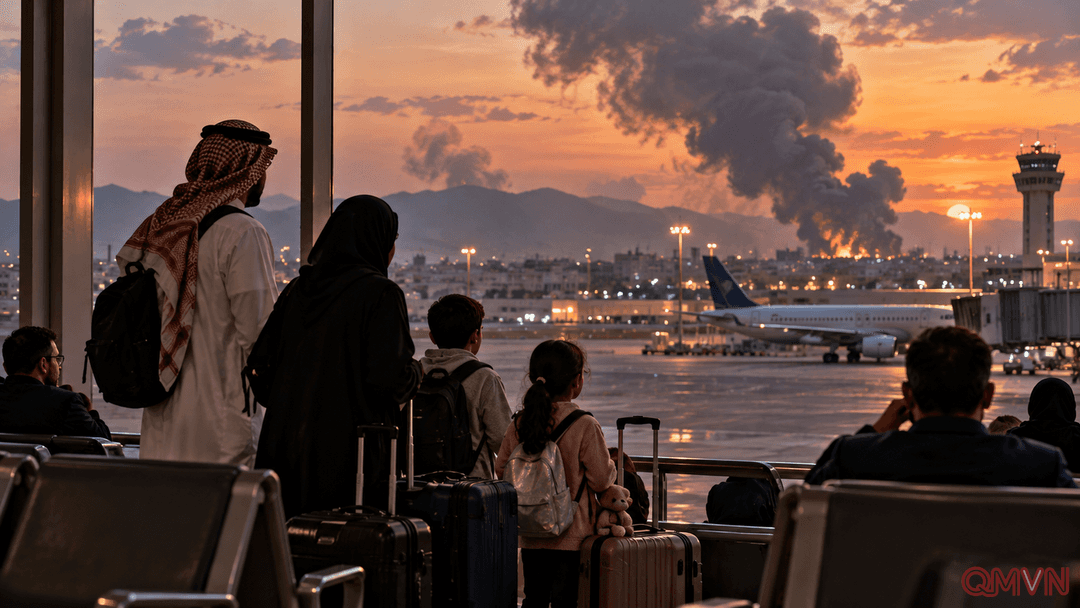
Saudi officials reported one death and eight injuries at King Khalid International Airport in Riyadh and two deaths and 28 injuries at Abha airport. The Associated Press subsequently identified those killed as a Sudanese national and two residents from Morocco and Algeria. Authorities initially said the attacks took place over Tuesday and Wednesday without specifying the date of each incident. Strikes on civilian aviation hubs pose risks that extend beyond immediate casualties: they affect travelers, airport workers, nearby neighborhoods and confidence in regional transport networks.
Yemen’s Transport Ministry said Houthi forces also fired ballistic missiles and explosive drones toward Aden International Airport. One projectile landed near the runway shortly before an aircraft from Cairo was due to arrive. Houthi military spokesman Yahya Saree claimed that several drones had targeted Riyadh’s airport. Claims of responsibility or asserted military purposes should not be confused with independently established accounts of civilian harm. The separate incidents nevertheless demonstrate how aviation facilities have become exposed to the renewed conflict.
A struggle for the Red Sea gateway
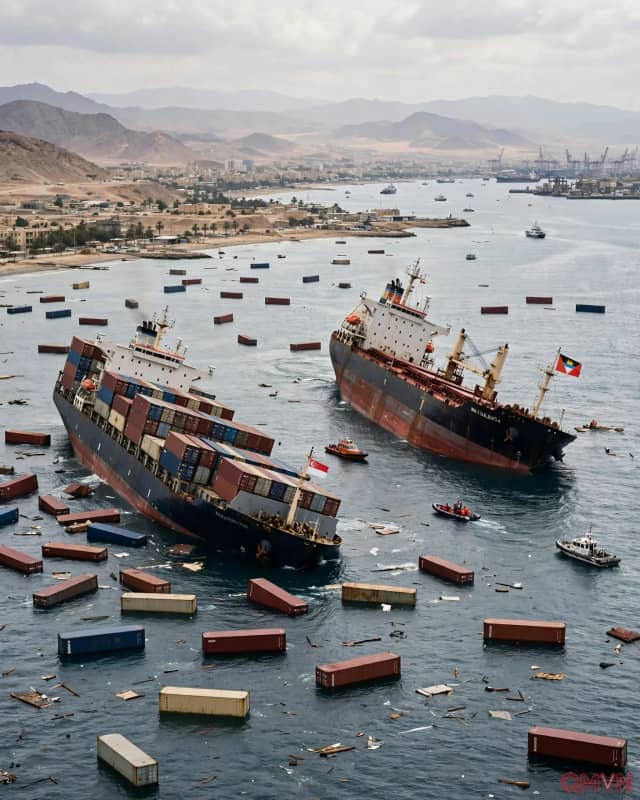
On Yemen’s western coast, fighting centers on the Bab el-Mandeb Strait, connecting the Red Sea and Gulf of Aden on the route toward the Suez Canal. The districts around Dhubab and Mocha matter both for their commanding coastal positions and for roads linking supply routes to Taiz.
Saudi-backed Yemeni government forces launched a counteroffensive to recover territory seized by the Houthis in September, Reuters reported. Whether those gains will endure is uncertain, with battlefield declarations from opposing sides often contradicting reports from troops and analysts on the ground.
The Saudi-led coalition said it struck more than 80 Houthi military locations across Saada, Hodeidah, Jawf and Marib. Turkey was reported to be offering primarily defensive and technical support, while Syrian officials were weighing possible assistance; neither discussion alone establishes an actual troop deployment. The broader US-Iran confrontation has increased the strategic importance of shipping alternatives and sharpened fears about energy flows through regional chokepoints. Each additional country drawn into planning or military support makes de-escalation more complex, even when its stated objective is deterrence or protection.
Civilians bear the greatest cost
The effects on Yemen’s population are immediate. On October 5, the International Organization for Migration reported more than 184,000 people displaced since early August; by October 7 its figure had climbed above 200,000, according to Reuters. Families escaping the fighting face shortages of shelter, drinking water, food and access to healthcare. Roads damaged or made unsafe by combat also slow relief deliveries. These figures are snapshots of a changing emergency, rather than fixed totals that can be carried forward without their reporting dates.
Yemen was already suffering a profound food crisis. The United Nations projected that roughly 18.3 million people would face acute food insecurity in 2026, while many health facilities were not fully functioning. Disrupted airports and ports can restrict medical supplies and aid as well as ordinary passenger travel. A sustainable response therefore requires more than shifts in battlefield control: it calls for protecting civilians, securing humanitarian access and renewing an inclusive political process. For families who have repeatedly fled their homes, the most meaningful measure of progress will be whether they can return in safety.