MAIN CONTENT
A homecoming with political resonance
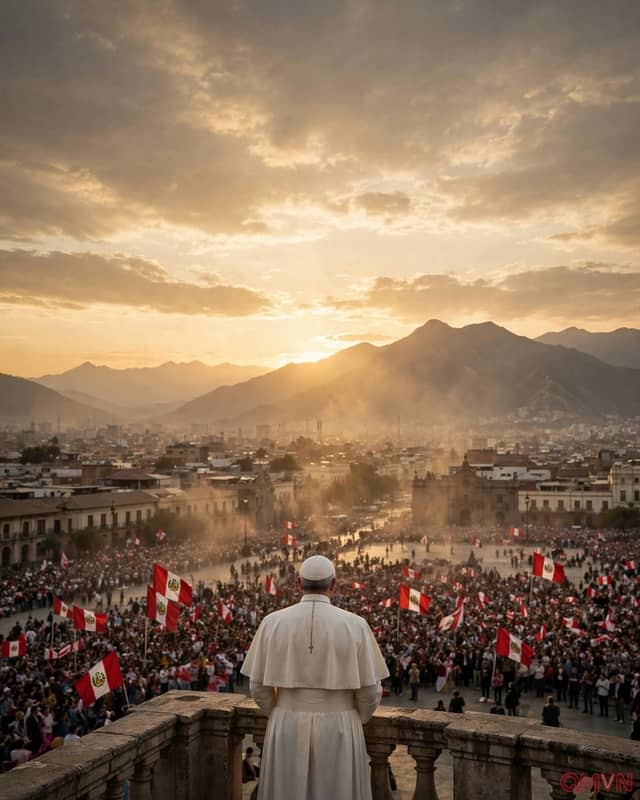
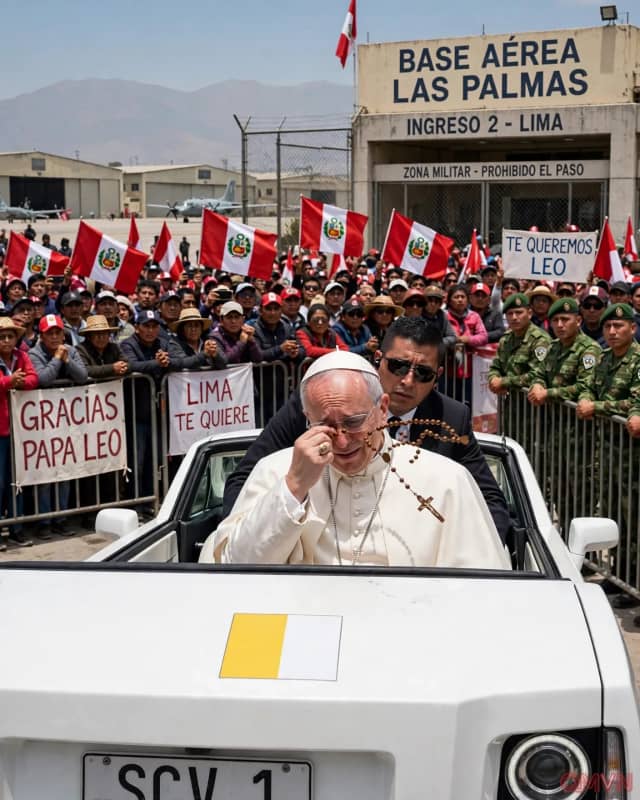
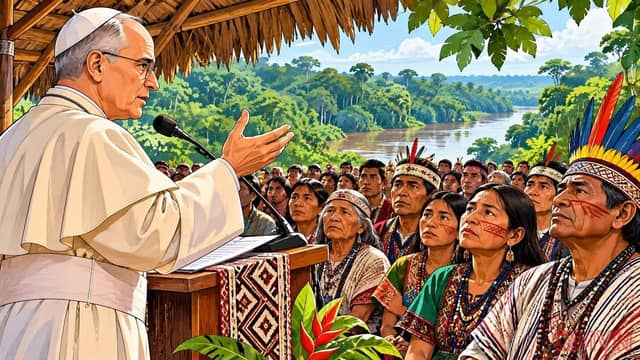
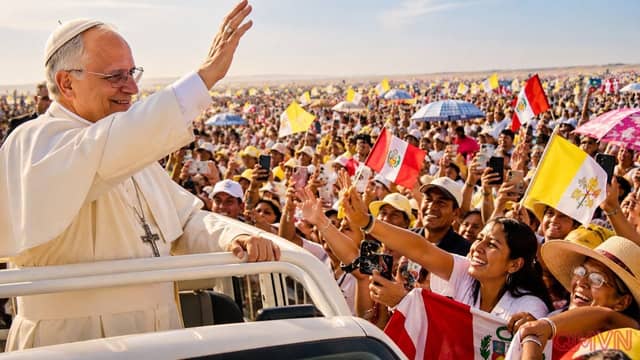
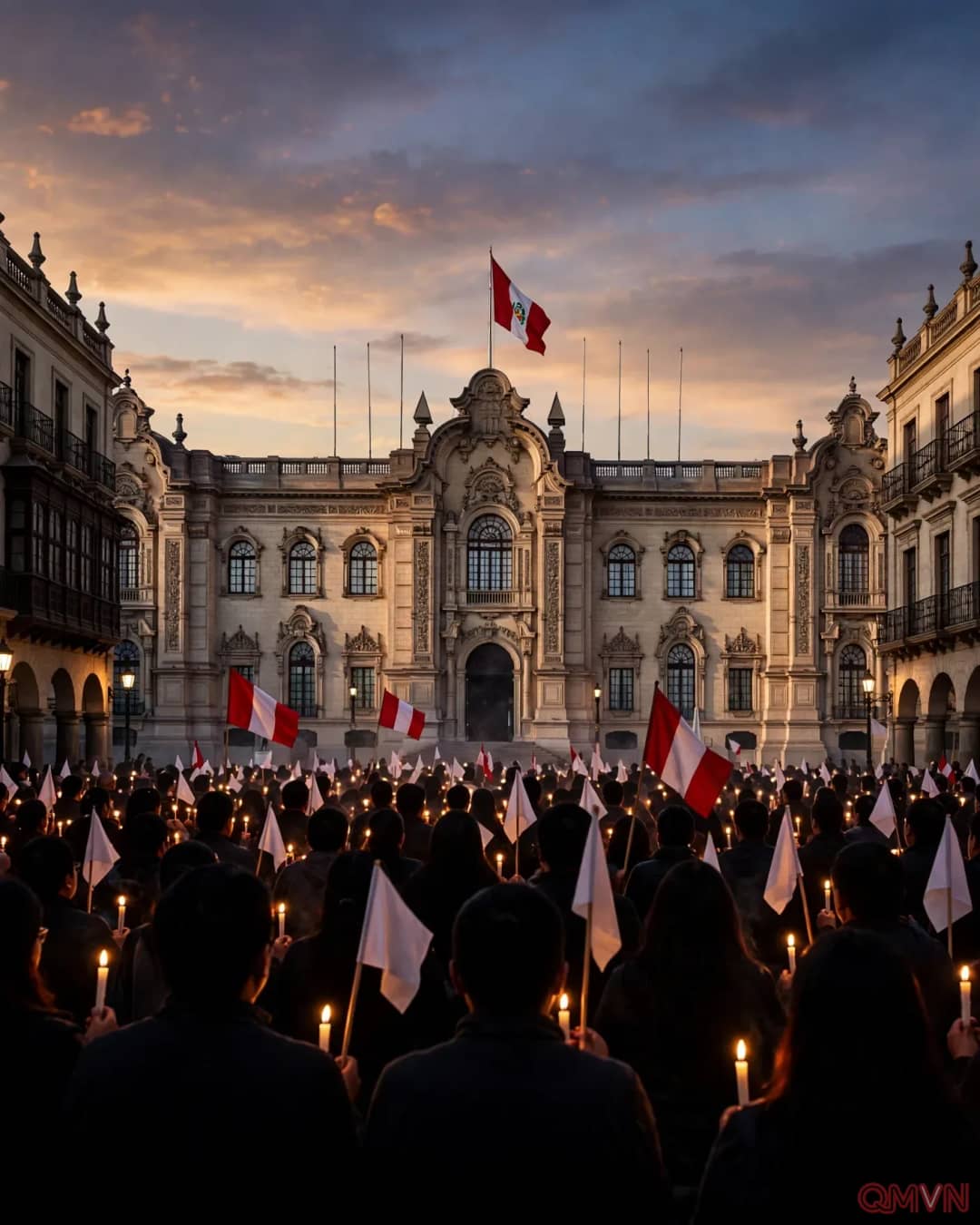
The audience at Lima’s Government Palace brought together two kinds of authority: a president responsible for the state’s immediate choices and a pontiff whose influence is primarily moral. According to Peru’s state news agency Andina, Fujimori presented Leo with an Ayacucho retablo, a traditional artwork carrying particular resonance in a region scarred by the internal conflict. Representatives of Peru and the Holy See also met to discuss institutional relations. The occasion was therefore more than a photograph or a formal welcome; it offered a setting in which the language of healing could enter national politics.
For Leo XIV, the return had an unusually personal character. Vatican records trace his ministry in Chulucanas and Trujillo before his leadership in Chiclayo, and confirm his Peruvian naturalization in August 2015. Reporting by Associated Press describes how people in Chiclayo remember him helping flood survivors, migrants and patients during the pandemic. Those memories help explain why his presence can reach beyond ceremony: he is associated with tangible care in communities that have often felt overlooked.
Why reconciliation remains unfinished
Peru’s Truth and Reconciliation Commission estimated that approximately 69,280 people died or disappeared as a consequence of violence between 1980 and 2000. Its report described a conflict fueled not only by extremist violence but also by longstanding social exclusion, unequal citizenship and institutional failures.