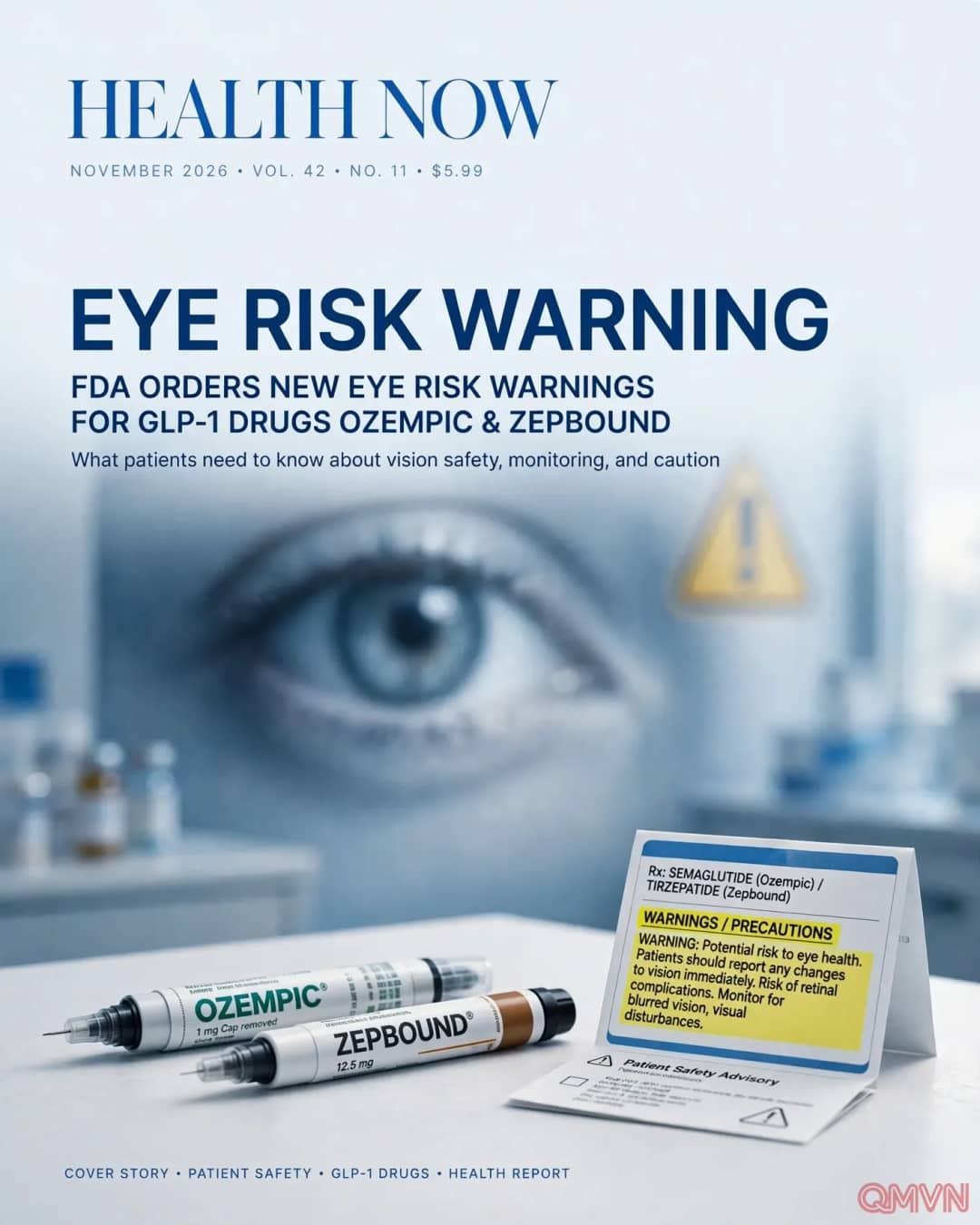
Federal Intervention and the Threat of Sudden Vision Loss
The landmark mandate issued by the Food and Drug Administration directly confronts the unprecedented consumer boom surrounding modern metabolic therapies, requiring manufacturers to formally disclose potential ocular vulnerabilities on clinical inserts. Non-arteritic anterior ischemic optic neuropathy (NAION) constitutes an acute vascular infarction of the optic nerve head, historically recognized by medical authorities as an incurable trigger of abrupt and painless visual deterioration.
By compelling pharmaceutical giants to prominently feature these findings within official prescribing literature, federal health authorities reaffirm an unshakeable statutory imperative: clinical safety and sensory integrity must perpetually take precedence over explosive consumer demand and market valuation milestones.
*“The FDA is requiring GLP-1 drugs to add information to the 'warnings and precautions' section of labeling about the potential increased risk of NAION.” US Food and Drug Administration*
Ophthalmic Evidence and the Risks of Off-Label Expansion
The regulatory intervention formalizes months of growing scientific alarm generated by independent academic ophthalmology centers, which noted statistically disproportionate incidences of ischemic optic neuropathy among patient cohorts receiving semaglutide and tirzepatide. Emerging clinical hypotheses suggest that rapid systemic shifts in vascular perfusion pressure or localized neuro-endothelial dynamics around the optic disc may elevate ischemic susceptibility in vulnerable individuals.