ARTICLE
An election cannot easily travel through two maps
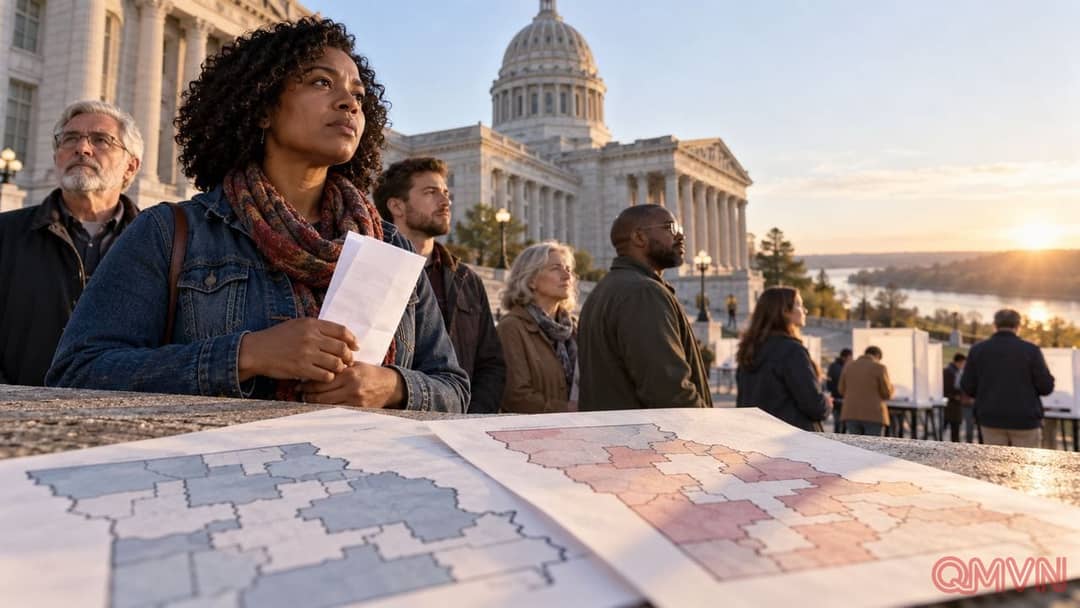
The new order concerns more than which party benefits from a district line. In an unsigned decision without a recorded dissent, the US Supreme Court observed that the general election was already in progress. Ballots based on the 2022 map had been prepared and sent out; absentee, military and overseas voting had begun. Changing boundaries now could give voters in the same contest different directions depending on when they received or returned their ballots. Preventing that disruption shaped the court’s immediate response.
Local election workers need to know a voter’s district to supply the right ballot, list the correct candidates and count the result. For a person living near a redrawn border, the issue is more concrete than a colored line: it determines whom that person may choose as a representative. The order keeps the 2022 map in practical use for the imminent election. It does not, by itself, dispose of every constitutional question or predict the outcome of a public vote on the new law.
Why did the courts reach different answers?
In 2025, Missouri’s Republican-led legislature drew lines that split Democratic-leaning Kansas City. The widely stated political aim was to make Emanuel Cleaver’s seat harder for Democrats to retain, creating a possible path to seven Republican seats out of the state’s eight.