MAIN ARTICLE
An impressive ascent, an incomplete recovery
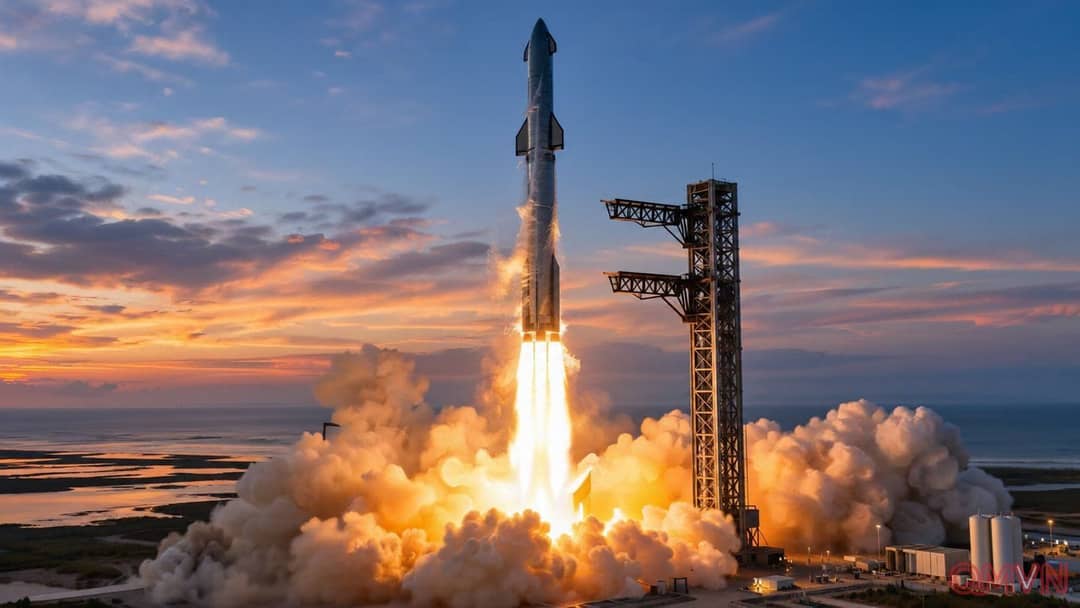
Starship lifted off from the South Texas coast as a two-part vehicle: the Super Heavy first-stage booster and the ship that travels onward toward orbit. Separation was completed, and the ship subsequently entered low Earth orbit, according to SpaceX. The booster, however, was diverted away from a return to the launch tower. Reuters, the Associated Press and specialist launch observers reported its destruction near the Gulf's surface. A definitive explanation for the aborted catch had not been publicly established in the initial reports.
The fireball alone does not tell the whole story, but neither does the successful climb into space. Engineers assess a flight against separate milestones: leaving the pad, separating stages, entering orbit, releasing a payload and surviving descent. Flight 15 achieved several of those goals. It did not achieve the more demanding demonstration of recovering the complete launch system on one mission. Both facts matter when judging a technology that remains in development.
Twenty-six satellites give the test a practical return
SpaceX said all 26 Starlink V3 satellites were released during the early portion of the flight. Their deployment made the mission more than an expensive engineering exercise.