MAIN ARTICLE
A precautionary search rather than a completed transition
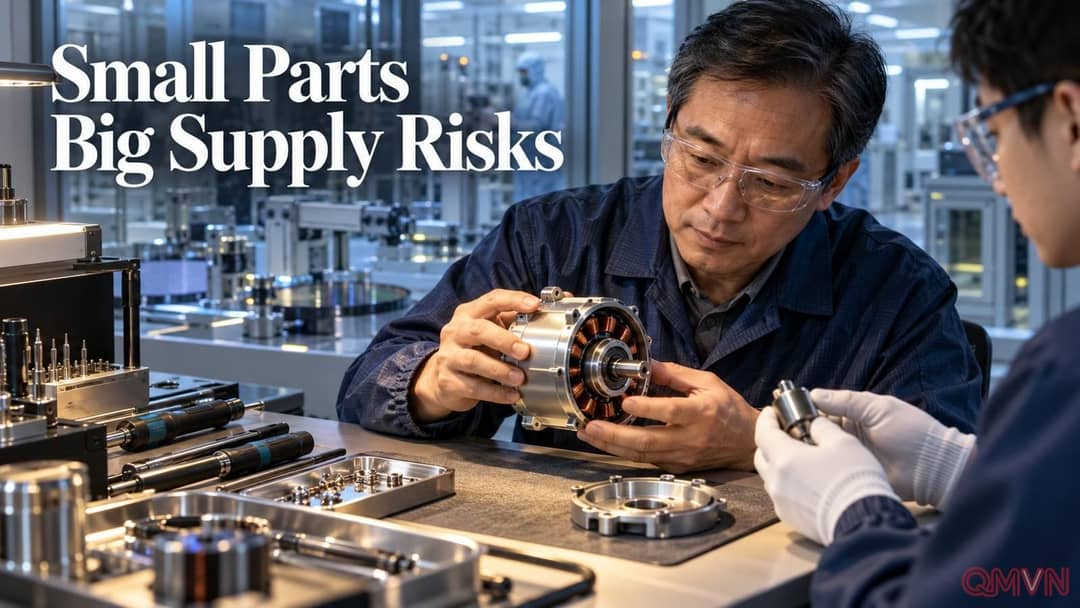
Reuters said TSMC had surveyed suppliers about motors without rare earths in factory automation, citing three industry executives briefed on the plans. One linked the effort to concern about disruption from China. This is an account based on sources, not a detailed public engineering programme released by the company. The distinction matters: examining options does not establish that a suitable replacement has passed testing, that suppliers can deliver it in volume or that existing equipment will be replaced. The report provides no implementation timetable or investment budget. It also does not say that TSMC’s factories have stopped operating because of a shortage of these components.
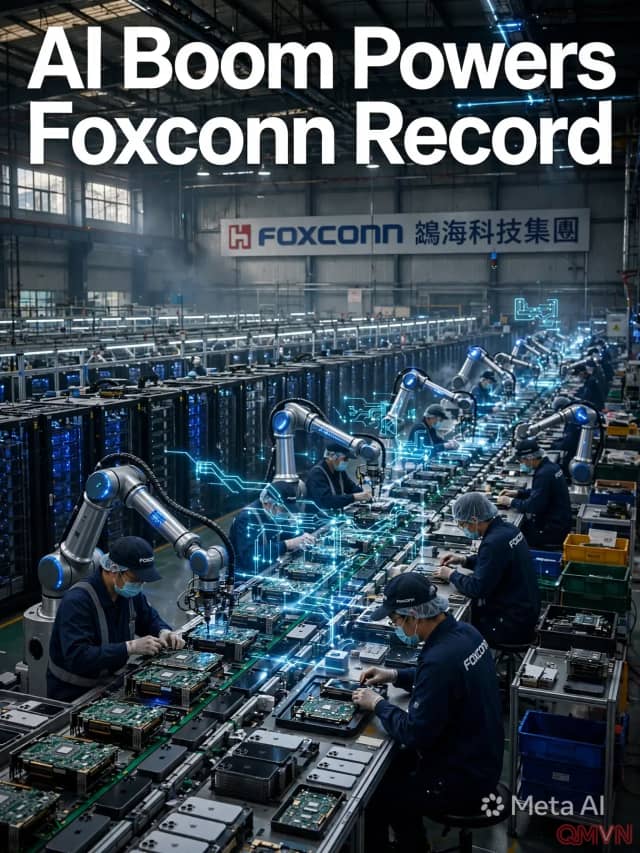
The vulnerability is nevertheless understandable. Highly automated plants depend on equipment whose moving parts must work when required, including during maintenance and replacement cycles. A shortage of a specialised motor or component could therefore matter far beyond its purchase price. Reuters identified smartphone, AI, data centre and defence supply chains among the downstream activities potentially exposed. That is a description of risk, not a tally of losses already incurred. Thinking in terms of operational continuity helps explain the search without exaggerating its immediate consequences. A precaution taken before a disruption can be valuable even when the disruption never occurs, although its effectiveness still has to be demonstrated.