MAIN CONTENT
Tashkent – a capital of layered history
The first thing that strikes visitors in Tashkent is its wide, clean roads and seamless pedestrian network. Travellers can use the Yandex ride-hailing app or the metro, where Kosmonavtlar station, with ceramic medallions honouring Soviet cosmonauts, is part of the Tashkent Modernist Architecture World Heritage site.
- In July 2026, 10 modernist buildings from the 1960s to 1990s, along with Kosmonavtlar station, were inscribed on UNESCO’s World Heritage List.
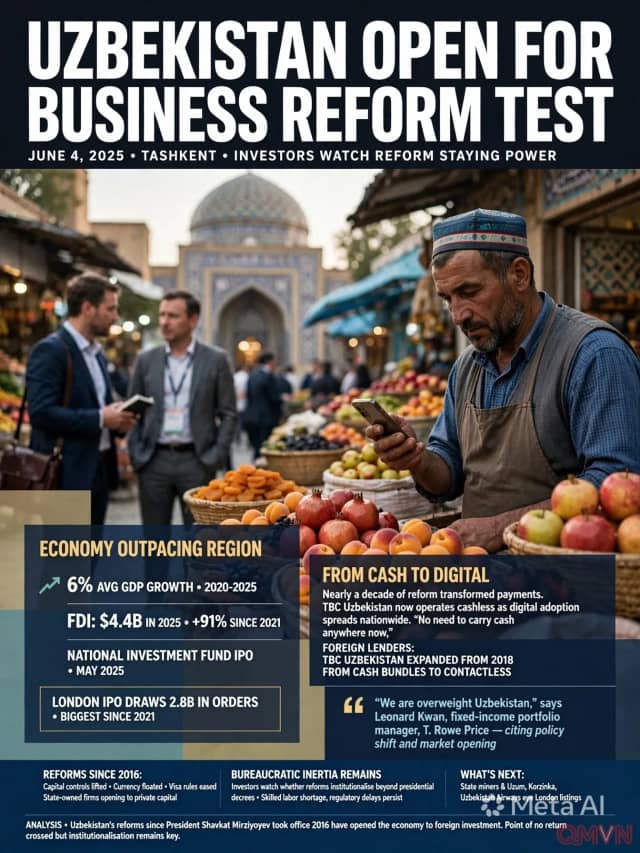
- The turquoise-domed Chorsu Bazaar in the old town sells everything from embroidered textiles and horse meat to pickles and sugared peanuts.
- Russian remains the region’s lingua franca, while Uzbek blends Arabic, Persian and Russian influences.
At the studio of Kyrgyz-Uzbek artist Vyacheslav Akhunov, satirical works subverting Soviet iconography were once hidden in inconspicuous folders to avoid persecution. Some of his works are now on show at the 2026 Venice Biennale – a testament to how art preserves complex chapters of history.
The flavours of cultural exchange
Uzbek cuisine is the product of centuries of exchange. Diners can enjoy shashlik kebabs, salads packed with sweet mint, or mastava – a thick tomato soup with lamb and rice served with qatiq, a yogurt-like condiment.