MAIN STORY
A six-way diplomatic meeting in Samarkand
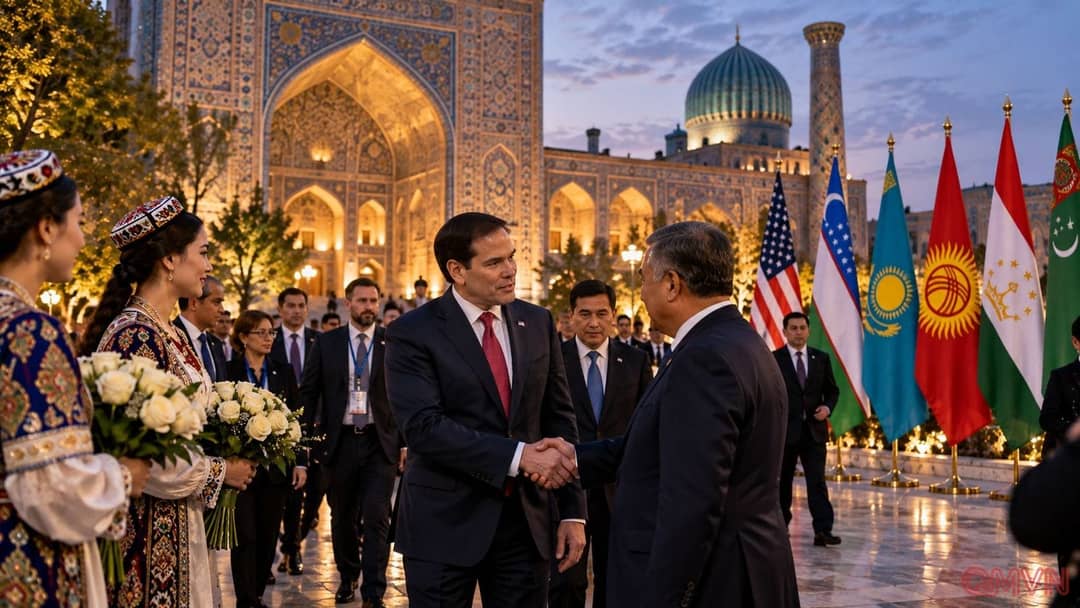
Rubio landed in Samarkand on Sunday evening, welcomed by Uzbek Foreign Minister Bakhtiyor Saidov. Women wearing traditional dress presented bouquets to the US secretary of state and his wife. The ceremony set the stage for C5+1 discussions bringing the United States together with Uzbekistan, Kazakhstan, Kyrgyzstan, Tajikistan and Turkmenistan. The five post-Soviet republics sit across trading corridors linking Russia, China, Iran and wider Asian markets.
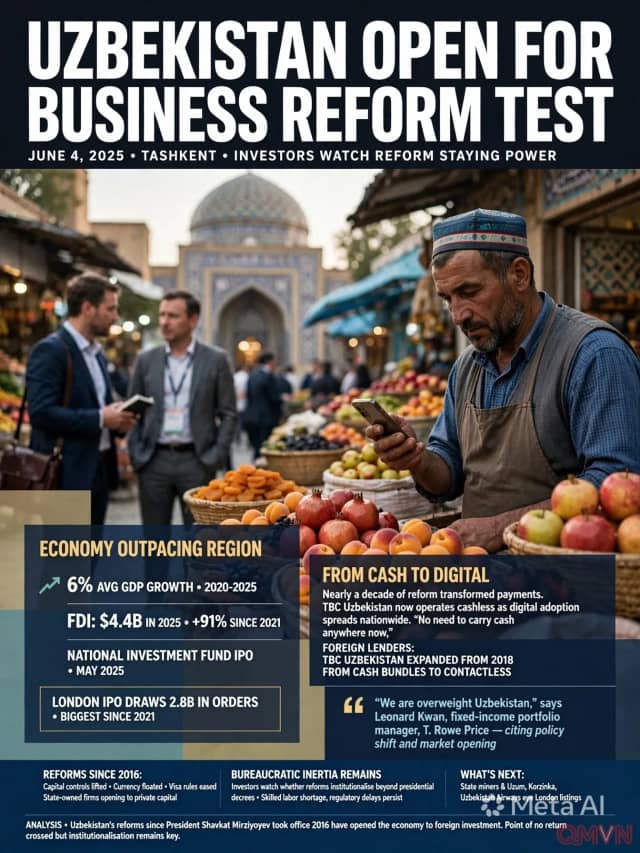
The economic dimension is unusually prominent. Washington said more than 200 US executives would accompany Rubio, with interest in mineral supply chains, investment and infrastructure. Central Asian governments have reason to welcome additional commercial partners: diversity can widen their room for manoeuvre and offer new sources of capital. But ceremonial announcements alone cannot overcome transport constraints, investment risk or the need for viable long-term projects.
Why diplomacy cannot revolve around emergencies
The visit coincides with the Iran war, Houthi attacks on Saudi Arabia and a worsening dispute between Washington and Kyiv. Some particularly sensitive negotiations have involved Vice President JD Vance and envoys Steve Witkoff and Jared Kushner.