From banquet tables to chat windows
For decades, pharmaceutical promotion in China leaned heavily on sales representatives, hospital visits and hospitality, a culture in which dinners and gifts could blur into bribery. Gu Fei, chief executive of startup Null Hypothesis, which launched the AI medical search tool KnowS for doctors early last year, says that old model has given way to engagement through tools that support doctors’ clinical work and research.
Gu said major Chinese and foreign drugmakers have licensed KnowS to build customised “academic platforms” focused on specific diseases, though he declined to name them. For drug companies, he argued, the real gain is a renewed opportunity to communicate with doctors; for physicians, it is a tool that genuinely helps.
“This really gives me a new capability and helps me improve efficiency, rather than you giving me two bottles of Moutai.” — Gu Fei
Alibaba’s bet on Hydrion
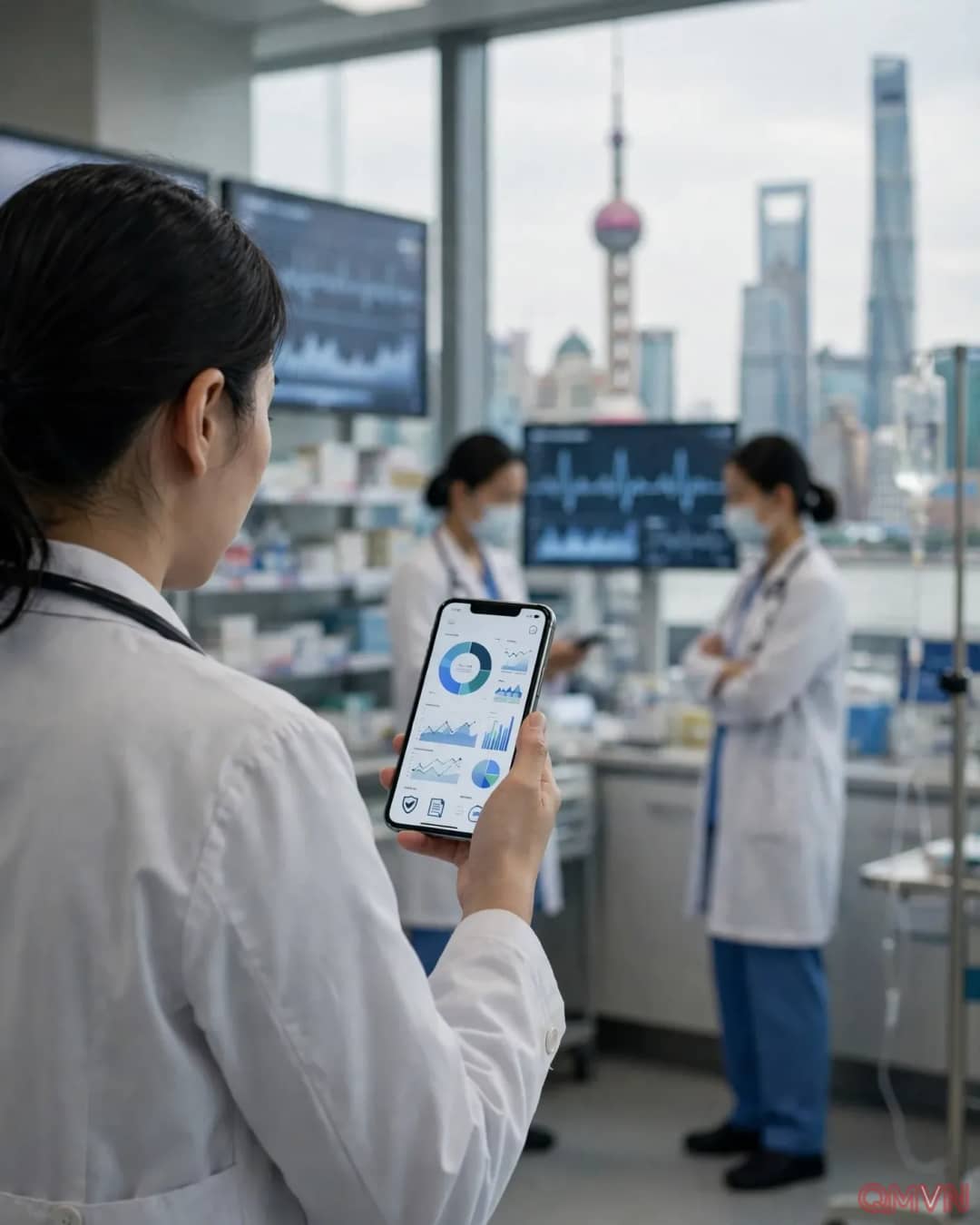
Alibaba Health is weighing a business model in which promoted medical research and clinical evidence would appear alongside relevant AI-generated answers to physicians’ questions on its Hydrion app, much as on OpenEvidence, Chief Technology Officer Wang Xiangzhi told Reuters. If doctors gather on a single platform, he said, drug companies’ marketing budgets would follow them online.