MAIN ARTICLE
Praise, criticism and the limits of a social-media post
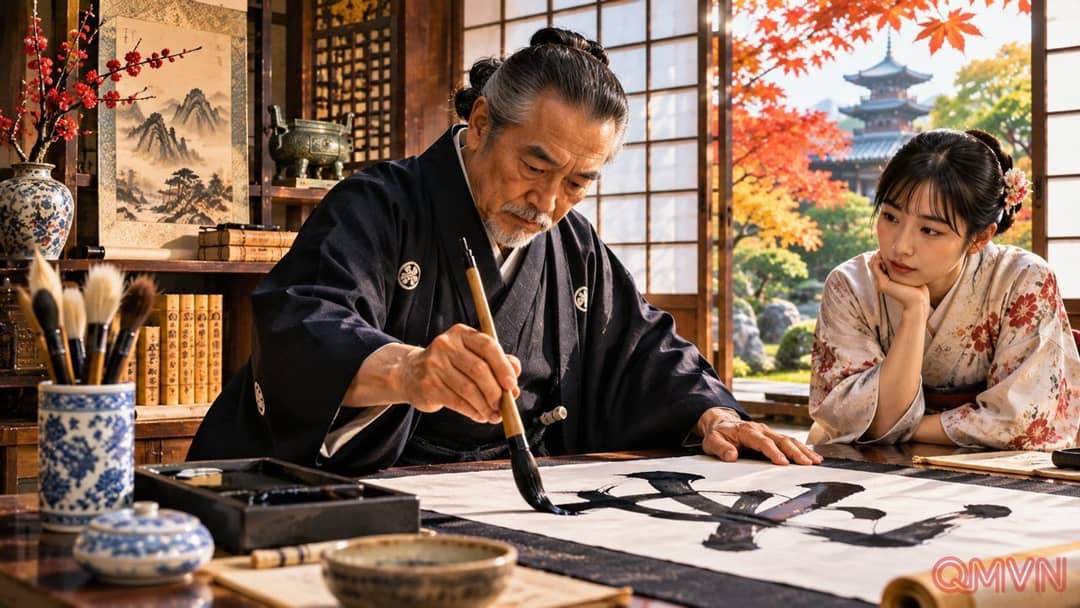
On November 5, a UNESCO evaluation body recommended that shodo be placed on the organization's international intangible heritage list. Prime Minister Sanae Takaichi welcomed the news by describing calligraphy as a valuable Japanese practice that uses brushes, ink, inkstones and paper to express feeling through written characters. Her description focused on how generations have sustained the craft in everyday Japanese life. Critics on social media responded that the message left out the Chinese historical foundations from which much of the practice initially developed.
Their concern was that the materials, characters and techniques had long traveled eastward from China and deserved explicit acknowledgment. Yet individual online objections should not be confused with an official Chinese government challenge to the nomination. Nor does an omission in a short celebratory post prove that Japan is claiming to have invented every element of brush writing. The dispute illustrates how statements about cultural identity, especially amid sensitive bilateral relations, can be interpreted as statements about exclusive historical ownership.