MAIN CONTENT
The summit photograph and the politics beyond it
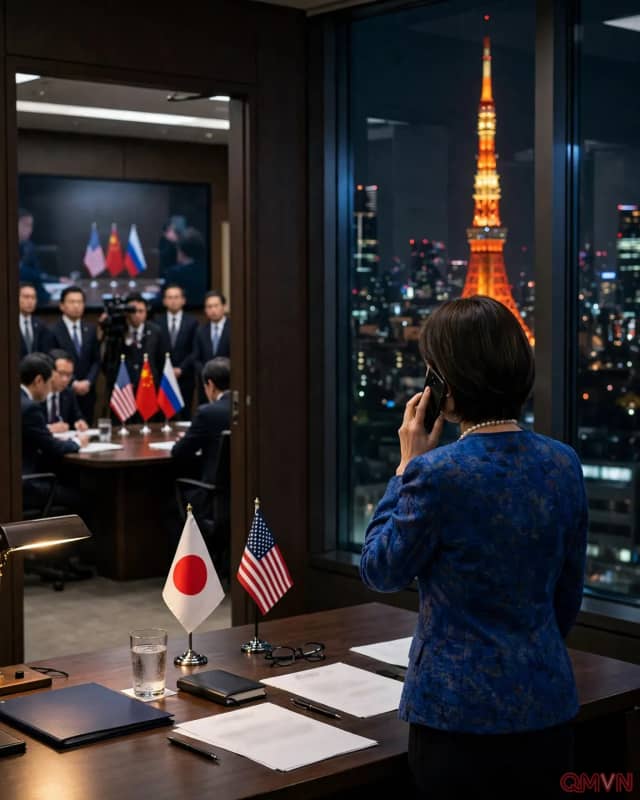
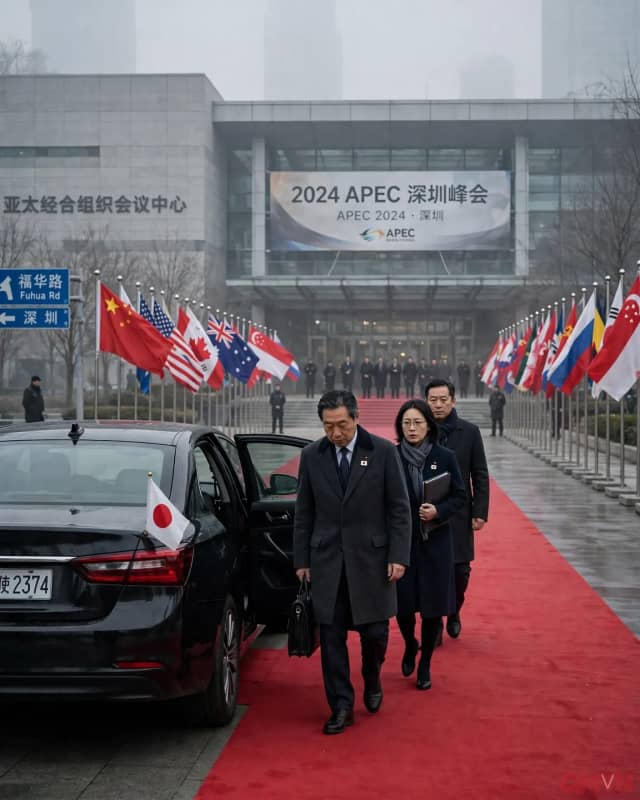
On November 19, Trump met Xi and Putin at Kylin Villa in Shenzhen, an event that dominated coverage of the APEC leaders’ gathering. The encounter was extraordinary in its composition and symbolism. According to Associated Press reporting, the public statements following the meeting offered more symbolism than concrete policy breakthroughs. That distinction matters: a prestigious photograph can establish diplomatic standing, but it does not automatically settle conflicts over trade, war or security.
The focus on three nuclear powers also obscured smaller but practical negotiations taking place around the summit. For countries whose prosperity depends on access to multiple markets, economic resilience is not an abstract slogan. It is the capacity to continue trading and producing when tariffs change, export controls tighten or strategic priorities diverge. Middle-power diplomacy seeks to preserve room for maneuver amid those pressures.
Canada trades ideological simplicity for economic options
Prime Minister Mark Carney’s approach illustrates a willingness to keep several commercial doors open. Reuters reported that Canada and China extended selected tariff-relief arrangements to 2028, covering additional Canadian exports including pork and prawns, while Ottawa eased restrictions on certain Chinese steel and aluminum products.