MAIN CONTENT
The electricity grid becomes an AI economic bottleneck
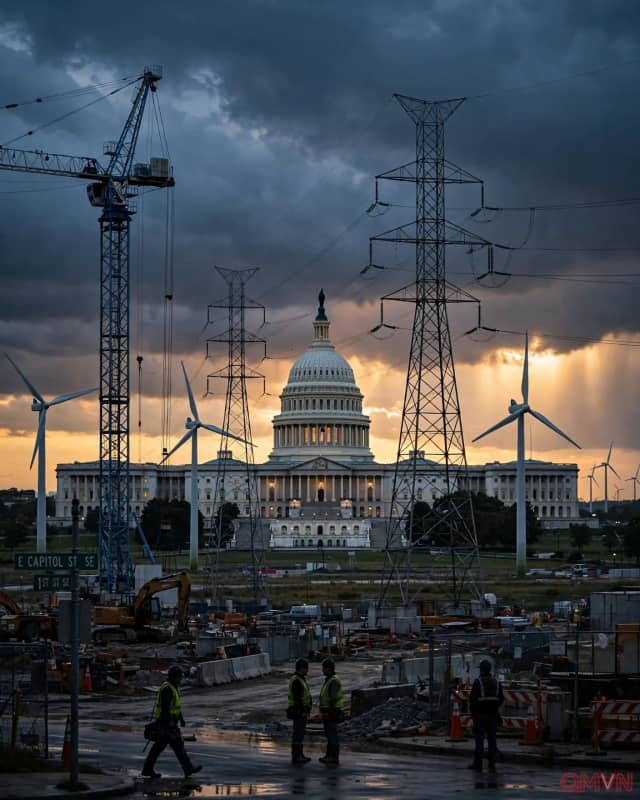
The fight over BAAJA concerns far more than construction paperwork. Electricity demand is shifting as technology companies expand computing campuses that can draw power continuously. Yet building a long-distance transmission route, often crossing multiple jurisdictions, can take years. That mismatch threatens to increase costs both for developers and for families whose electricity bills reflect the price of grid expansion.
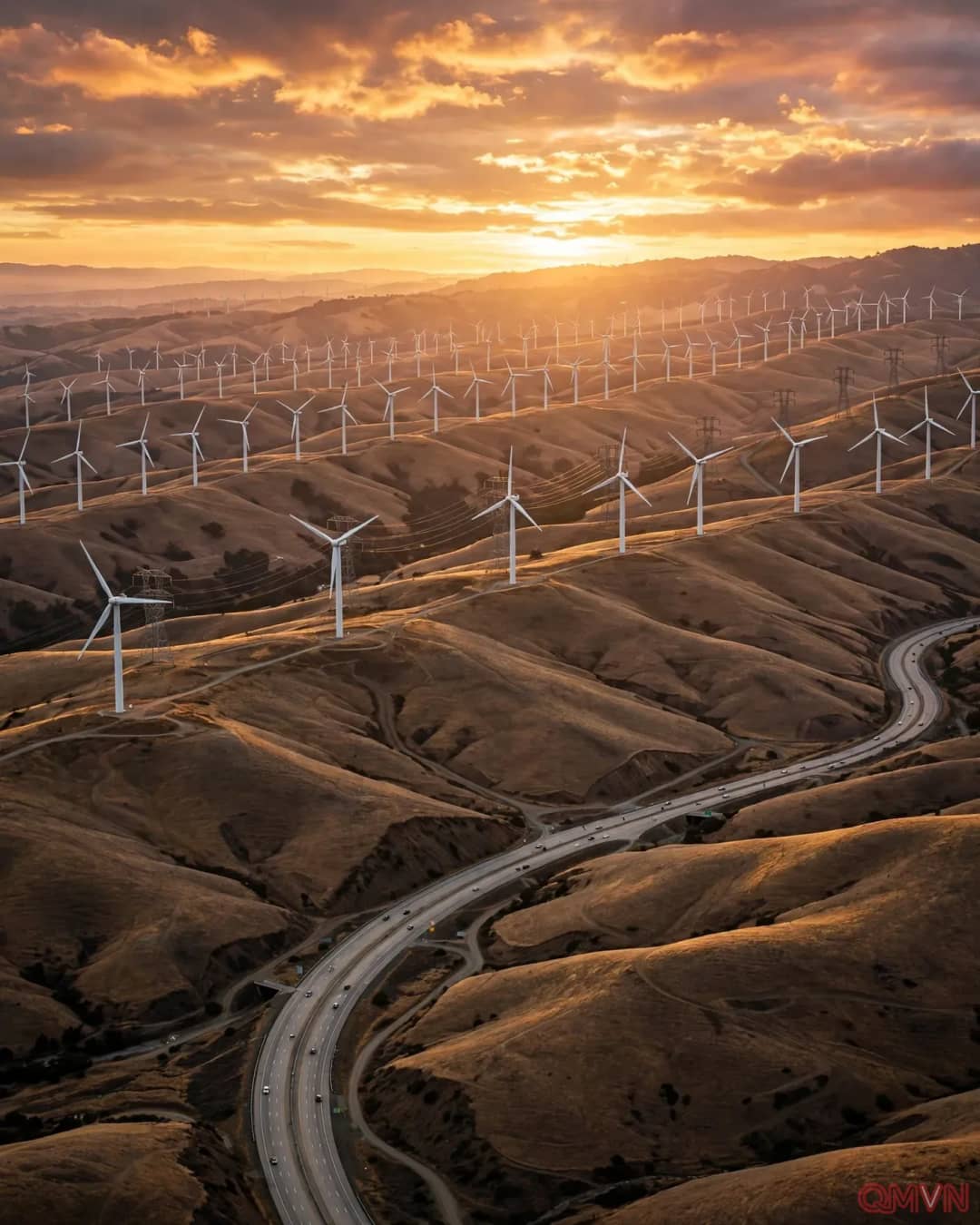
The bill seeks to streamline federal reviews and improve the pathway for interstate transmission. That matters for wind, solar and geothermal electricity generated far from urban demand: clean power offers little benefit when there is no line to carry it to customers. But the streamlined pathway is not reserved for clean energy. Gas-fired generation and other conventional infrastructure could also advance more easily.
Who pays for data centers’ appetite for power?
One of the bill’s central ideas is that new data centers of at least 20 megawatts should pay the incremental cost of electricity infrastructure built to serve them. The principle is straightforward: households should not automatically subsidize the networks required by extremely large private computing projects.