MAIN ARTICLE
A currency slide reaches the dinner table
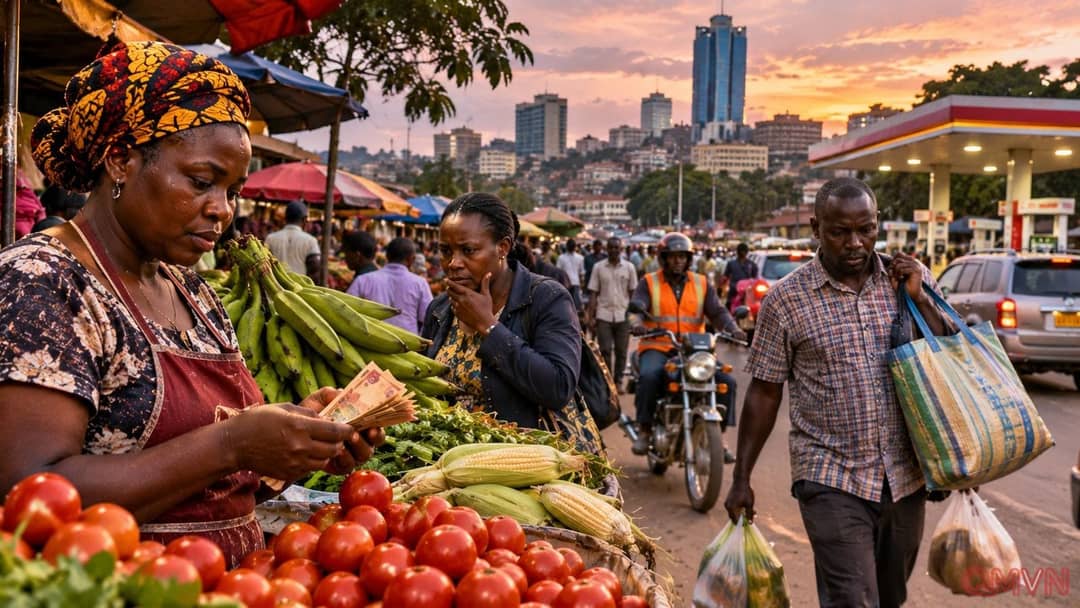
At Kampala’s Nakasero market, exchange-rate movements can translate into tangible changes in the cost of goods. A weaker shilling makes imported fuel and other supplies more expensive and can raise the cost of transporting food to cities. Reuters reported that the currency traded at roughly 4,245 per dollar on October 30, compared with 3,614.50 at the end of 2025.
Food inflation climbed from 4.5% in September to 10.7% in October, far ahead of the headline measure. Because groceries take a larger share of poorer households’ budgets, the burden is not evenly distributed. An average inflation rate can therefore conceal a particularly sharp squeeze on people with little financial flexibility.
The central bank takes a hard line
At a special meeting in October, the Bank of Uganda lifted its policy rate by 2.25 percentage points, from 9.75% to 12%, and increased reserve requirements for commercial banks. The measures were intended to limit inflationary pressure, moderate demand for foreign currency and steady expectations about future prices.