MAIN ARTICLE
Jakarta demands faster action
At an October 12 meeting chaired by President Prabowo, Indonesia’s leadership called for a stronger response at major fire hotspots, particularly in Central Kalimantan and South Sumatra. Coordinating Political and Security Minister Dudung Abdurachman said the national disaster agency, BNPB, had been told to intensify operations and work closely with local authorities. Offers of foreign help were not specifically reviewed, he said. That distinction matters: a meeting that did not address an offer is not necessarily a formal rejection of it.
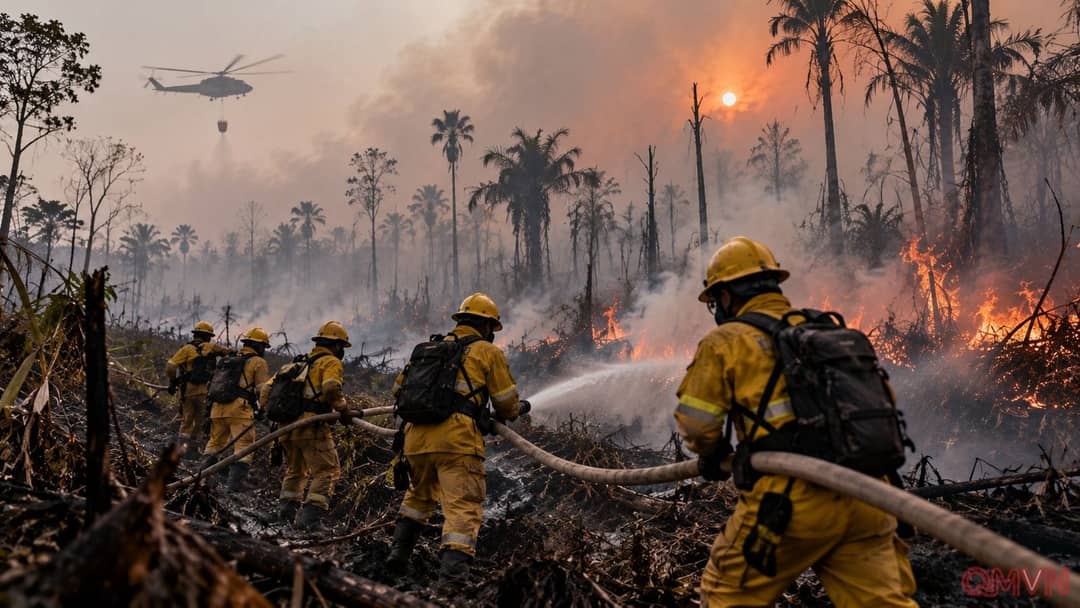
Officials have not designated the fires a national disaster, arguing that domestic resources remain capable of responding. But the operational test is demanding. Dense smoke can ground aircraft or complicate water drops; remote terrain slows access; and ground crews need sustained supplies of water and equipment. A successful response should therefore be measured by reduced fire activity, safer air and restored mobility, rather than by deployment figures alone.
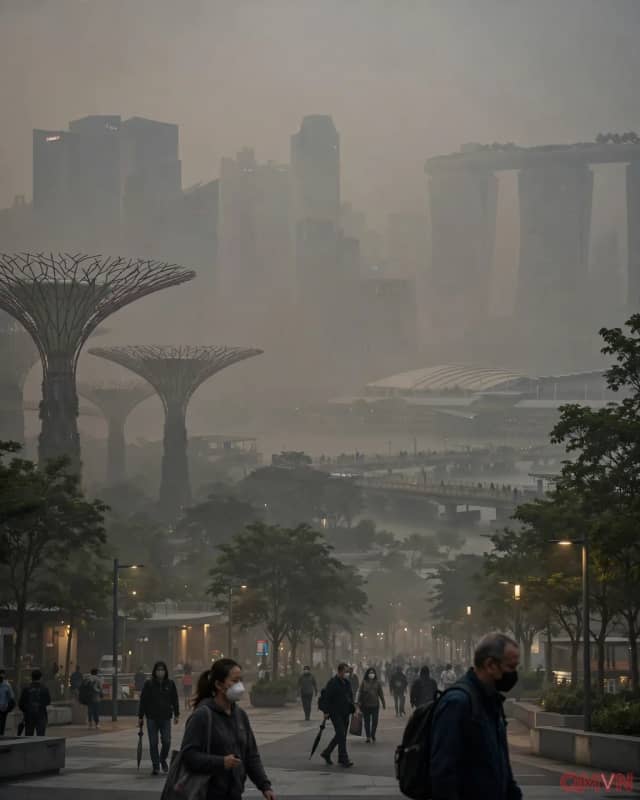
Peat fires turn smoke into a health emergency
Indonesia says more than 60,000 personnel have been mobilised across affected provinces of Sumatra and Kalimantan. In parts of South Sumatra, visibility has fallen to roughly 500–800 metres, disrupting flights.