MAIN ARTICLE
One seat, several competing definitions of Europe
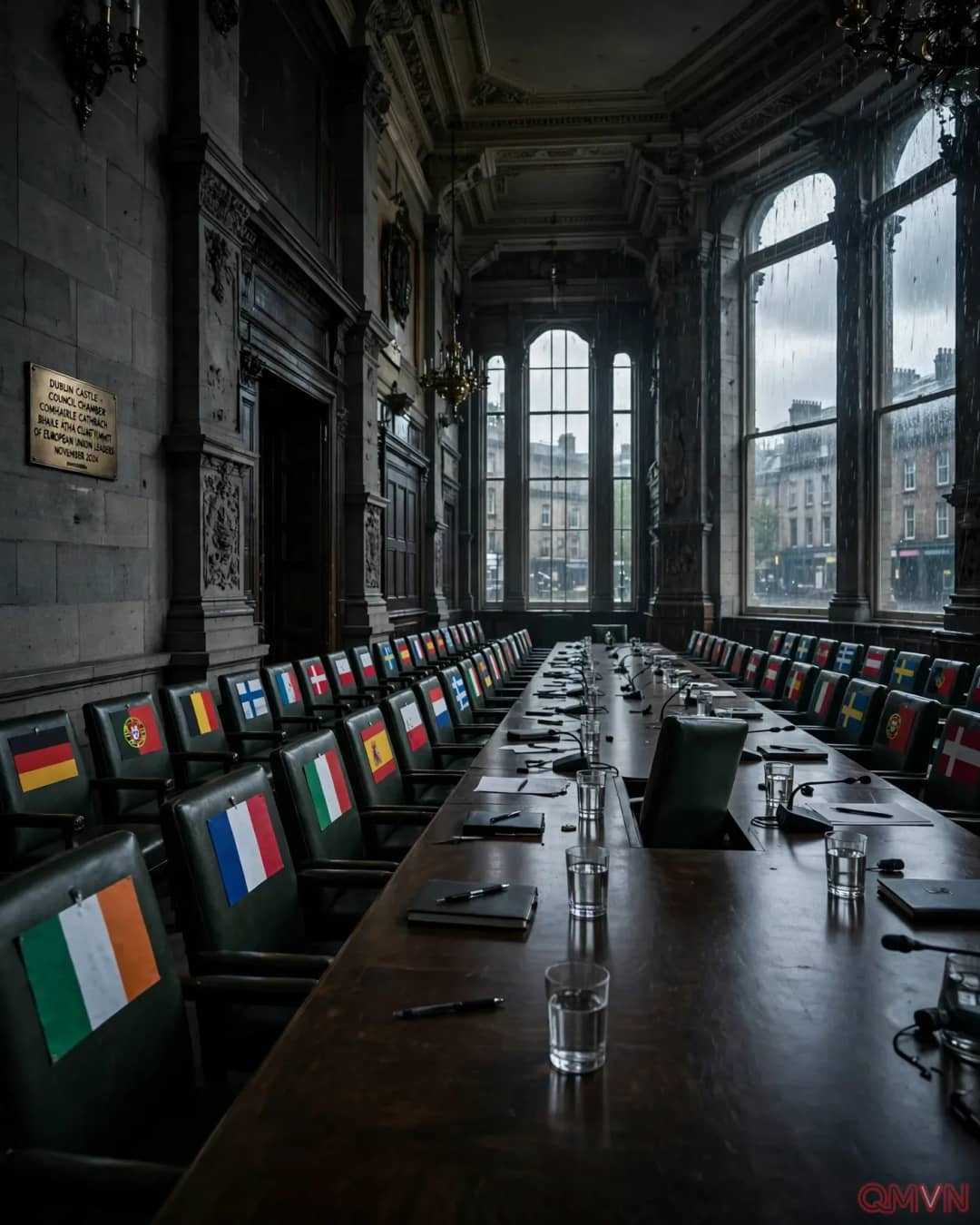
At meetings in Dublin, governments broadly accept that the continent's postwar security arrangements cannot be designed without Europeans. Yet “Europe” might mean the EU's 27 members, the British-French-German grouping, or a wider constellation encompassing NATO and non-EU partners. Each definition raises questions of legitimacy. To whom would an envoy report? What concessions could that person offer? Who would authorize commitments about security guarantees, sanctions or postwar deployments?
Italian Prime Minister Giorgia Meloni worries that too many loosely coordinated diplomatic channels dilute European leverage. Ireland's Micheál Martin favors a continent-wide approach that embraces Britain, Norway and other partners. These positions do not necessarily signal disagreement about the desire for peace. Rather, they illustrate how difficult it is to make one diplomat accountable to several sovereign governments and distinct political institutions.
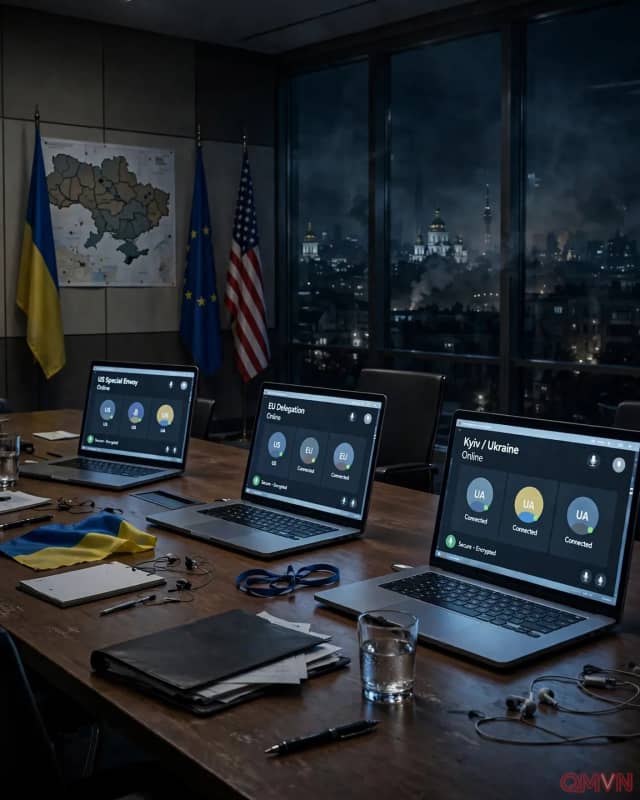
An official European Council statement confirms that representatives of the EU, France, Germany, Italy, Britain, Ukraine, the United States and NATO met in Abu Dhabi on November 10 to coordinate credible security guarantees. It would therefore be misleading to say that Europe is completely absent. The unresolved challenge is turning a presence at consultations into an authoritative role when decisive terms are negotiated.