MAIN ARTICLE
A war sustained beyond Sudan’s borders
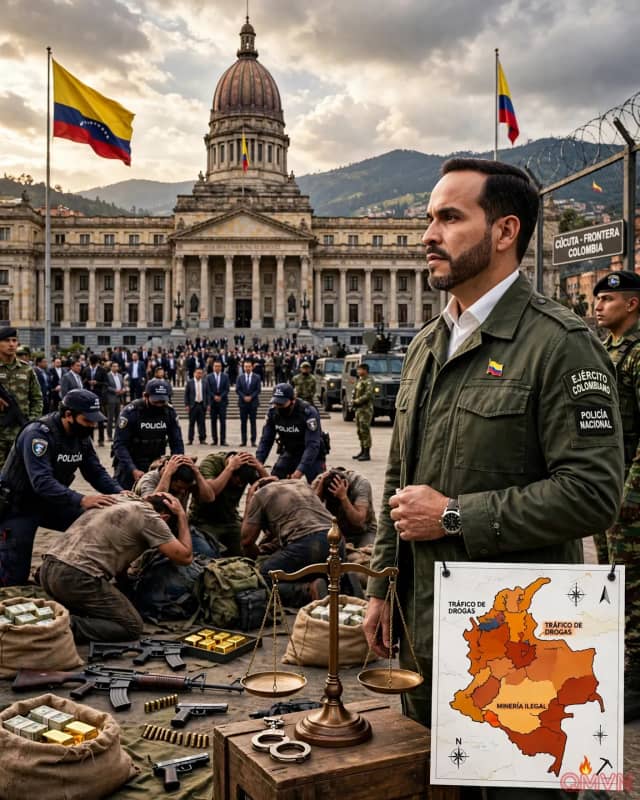
In a report published by the UN human rights office in September 2026, the Independent International Fact-Finding Mission for Sudan said there were reasonable grounds to believe that a transnational network supplied the RSF with personnel, training, logistics and military equipment. The investigation described connections in Colombia and the UAE and transit through Chad, Libya and Somalia. These are investigative findings about support networks, not a criminal court judgment establishing the liability of any government.
The mission documented the deployment of up to 2,000 former Colombian military contractors alongside RSF units in Darfur and Kordofan. Their reported functions went beyond guarding facilities: some operated drones, artillery and advanced weaponry. The foreign presence helps explain how an armed movement can preserve technical capabilities while Sudan's economy, public services and communities are devastated by conflict.
The mission also reported preliminary evidence that Sudan's armed forces used foreign-supplied drones in operations harming civilians. That finding matters because the wider problem cannot be reduced to an accusation against only one side. External assistance can magnify civilian danger wherever it extends the reach and duration of military operations.