MAIN ARTICLE
A narrow vote in Bogotá
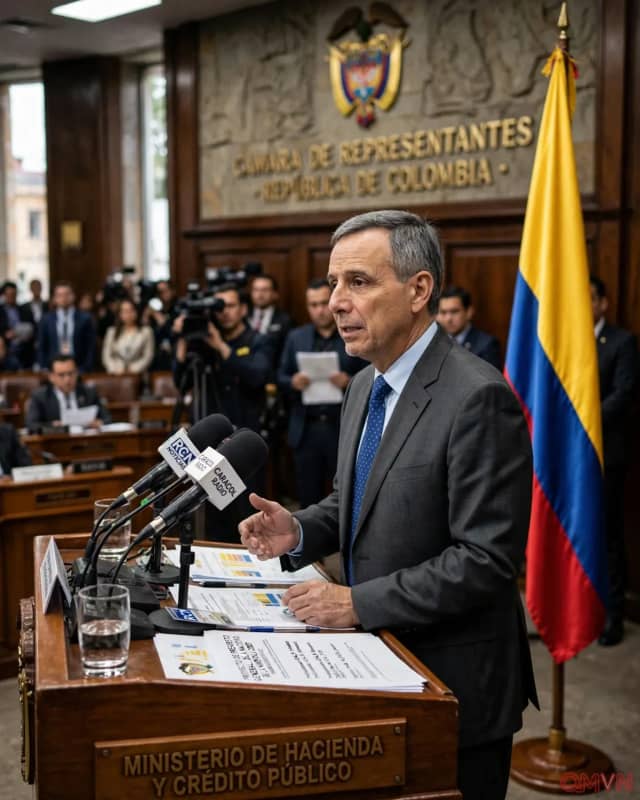
Four board members supported leaving the policy rate unchanged; three preferred an additional quarter-percentage-point increase. The split illustrated competing concerns about inflation credibility and the risk of weakening an already cooling economy. At 12.25%, borrowing costs remain onerous for consumers and companies financing new projects.
Ahead of the meeting, 17 of 31 economists in a Reuters poll anticipated a move to 12.5%, compared with 13 who forecast a hold; one expected a larger rise to 13%. The unexpected pause therefore offered a signal of caution, not a commitment to easier money.
Persistent prices, softer demand
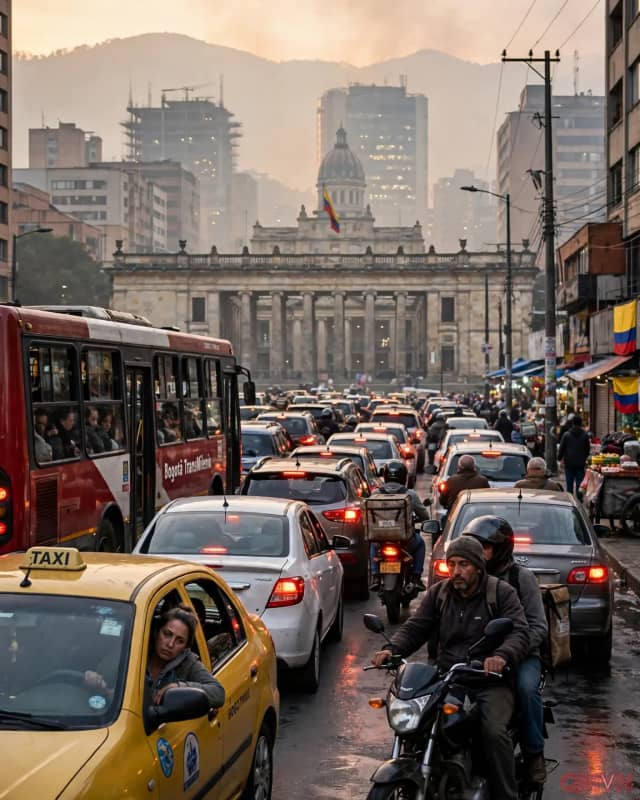
Annual inflation stood at 6.29% in September, still more than double the central bank’s longer-term 3% objective. Price growth was somewhat less severe than expected, yet it continues to squeeze real incomes, especially for families spending much of their wages on necessities.
The board judged third-quarter expansion likely to have slowed from the preceding quarter, with indicators pointing to weaker private and public consumption. El Niño may push up food or energy prices. Cutting rates too soon could undermine expectations; raising them again could suppress hiring and productive investment.