MAIN CONTENT
Export momentum puts old safeguards under pressure
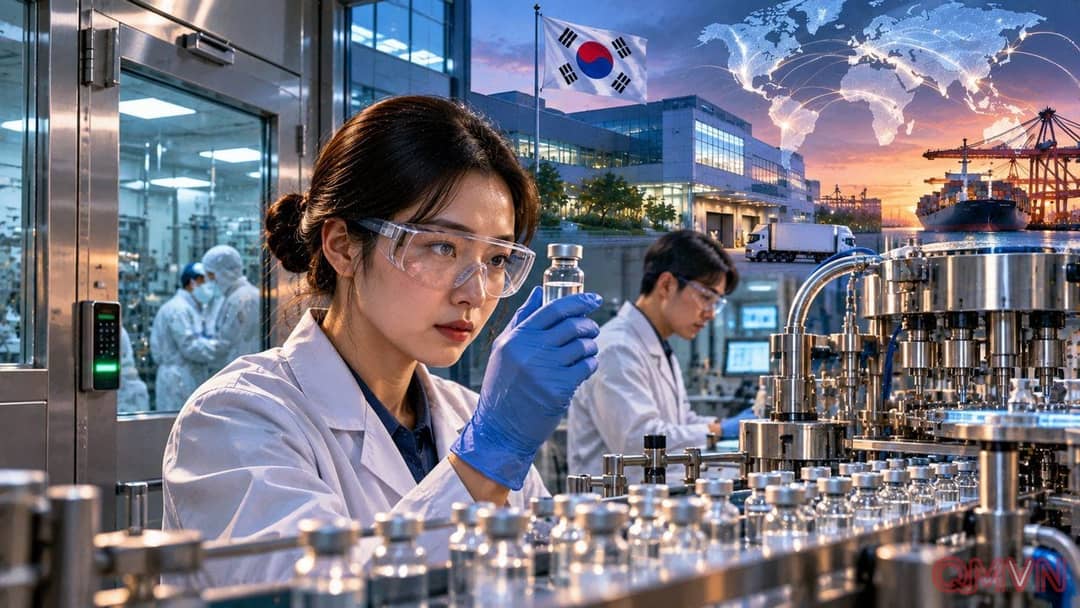
Once a specialized pharmaceutical niche, botulinum toxin has become a significant South Korean export business. Hugel’s Botulax and Daewoong Pharmaceutical’s Nabota are increasingly recognized overseas, supported by manufacturing consistency and compliance with demanding drug-approval standards. Botox is an established brand associated with AbbVie, not the generic name for every competing product; the broader market is more precisely described as the botulinum toxin industry.
The Korea Herald reports exports of $223 million in 2022 and $420 million in 2025, with a projection above $500 million for 2026. Other published trade series use somewhat different product definitions and report different totals, so these figures should not be combined into a single statistical series. Even allowing for such differences, the commercial direction is clear: overseas demand increasingly shapes Korean manufacturers’ investment decisions.
Unlike an ordinary consumer product, an injectable treatment derived from a potent neurotoxin requires precision across production, purification, formulation and release testing. Consistent batches, robust surveillance and regulatory compliance are essential. The push to expand internationally therefore entails more than increasing sales; companies must preserve the trust of regulators, physicians and patients in every market they enter.