MAIN CONTENT
A distant war film creates an intimate response
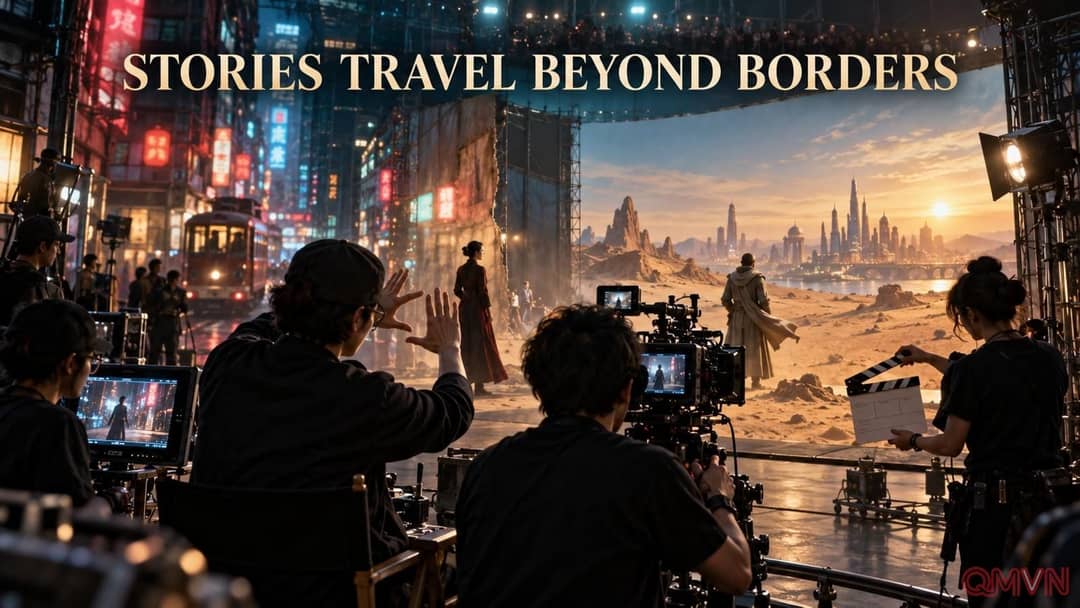
“Once Upon a Time in the Middle East” depicts a conflict widely understood as the United States-led Iraq war. Much of it was created on soundstages in Qingdao, yet viewers did not need a real desert to care about the people within it. Fear, family and the civilian price of war gave the spectacle emotional weight.
The film was projected to approach 2.5 billion yuan, propelled largely by word of mouth, while updated figures placed it above 2 billion yuan. Its success is not a formula that can simply be copied. It shows that audiences will enter an unfamiliar setting when the emotion is honest and the characters have something meaningful to lose.
“My parents did not care where the desert really was; they cared about the fate of the people living in it.” - Hu Chao. The lesson is simple: place creates atmosphere, but moral choices and human feeling keep an audience watching.
Cultural identity cannot replace a market strategy
Hong Kong cinema is often told to speak more Cantonese, show more landmarks and emphasize local life. Those elements matter, but they do not automatically create ticket demand.